Leonard Weber
February 11, 2024
We have now reached the point in winter when there are clear signs that bird behavior is beginning to change from non-breeding to breeding season.
Three Eliza Howell Park species signal the approaching breeding season by singing songs that haven’t been heard regularly here for months: Tufted Titmouse, Northern Cardinal, and Mourning Dove.
of Margaret Weber
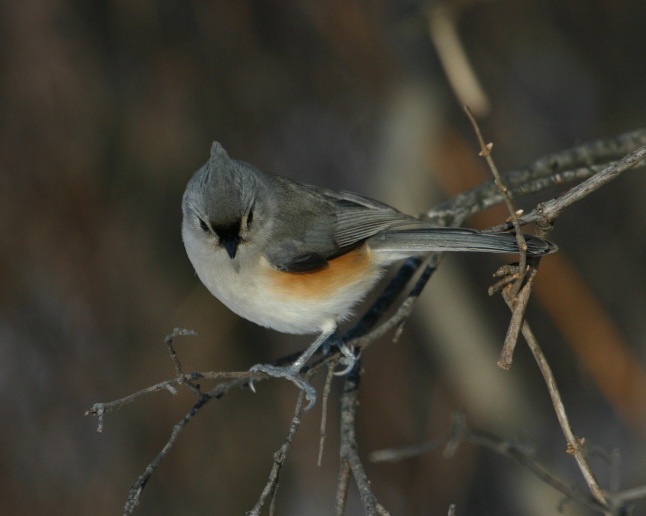
In late winter, Tufted Titmouse begins to establish nesting territories and sing their loud “peter, peter, peter” song (as it has often been described) to announce the borders.
This year, I heard the song for the first time on February 1. Tufted Titmouse is a small and not-very -brightly-colored year-round bird; the song is a welcome reminder that it is planning to nest here.

of Margaret Weber
Every year, I expect to hear the first singing of the Northern Cardinal on a sunny day in February. Starting in 2020, I have made note of the date of that first singing:
2020 = February 12
2021 = February 17
2022 = February 8
2023 = February 11
2024= February 6

of Margaret Weber

of Margaret Weber
The commencement of Cardinal singing can also be taken as the start of their annual process of selecting and defending breeding territories.
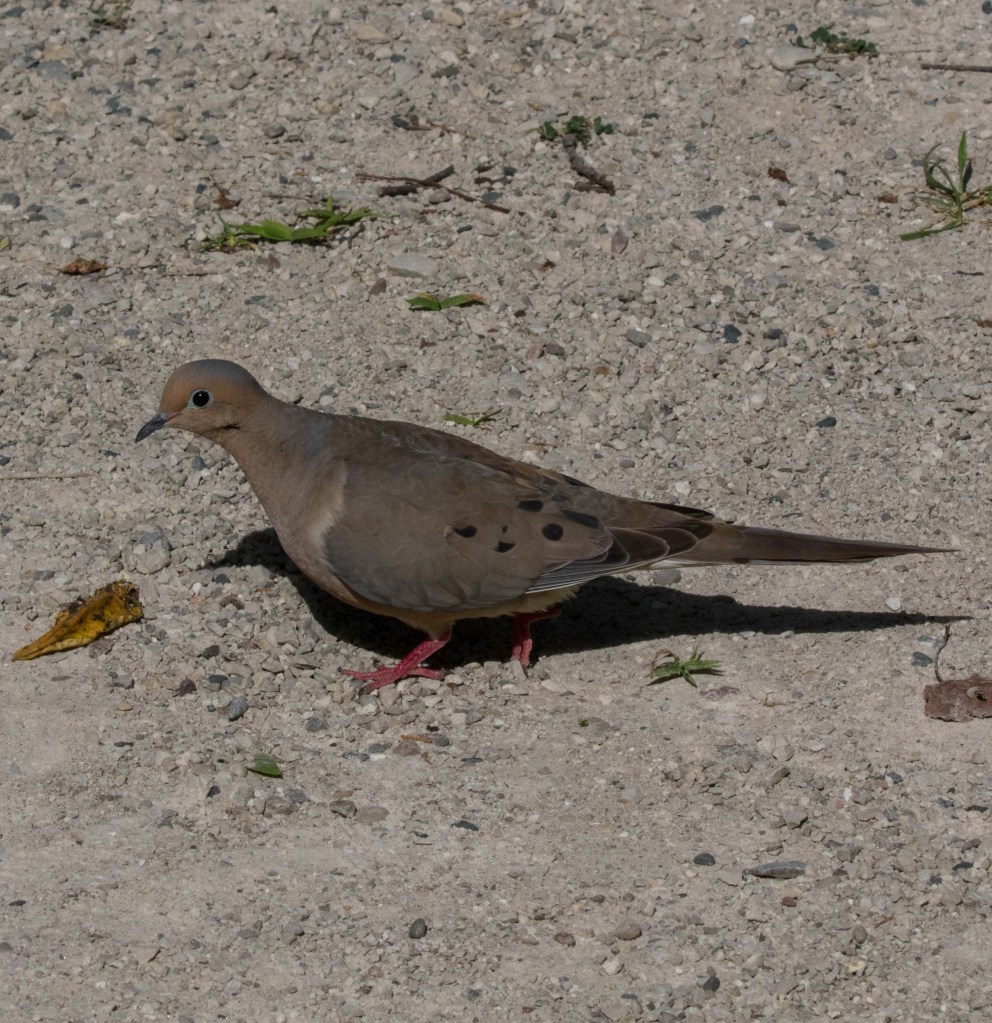
The third species whose late winter singing is eagerly anticipated is Mourning Dove. After spending the winter in flocks, they are now (or will very soon be) forming pairs.
of Margaret Weber
The first “cooing” of the year is an announcement that these early nesters will be turning their attention to selecting a site for their first brood soon. I have not heard it yet this year, but expect to before the end of February.

of Margaret Weber
Many of the birds that breed in Eliza Howell Park are summer residents. Some of them don’t arrive until May and begin to build nests almost immediately. We don’t have the opportunity to watch their change from winter behavior to breeding season behavior.
Thanks to a significant number of breeders that are year-round residents, however, we can observe the whole seasonal change process. For some species, the singing that starts in February is the first indication that winter is waning and that breeding season is coming.

 Eliza Howell Nature Walk
Leave a comment