Leonard Weber
March 4, 2024
The Aspen flower buds in Eliza Howell Park are fuzzy in early March. Over the next weeks, the flowers will develop into hanging clusters of seeds (catkins).


During the winter of 2022 – 2023, one tree in the small grove of Quaking Aspen in the park was blown almost entirely down, but it continues to live. This is the second year it is providing an opportunity to get up-close views of the buds, flowers, and seeds that are usually much too high to study.
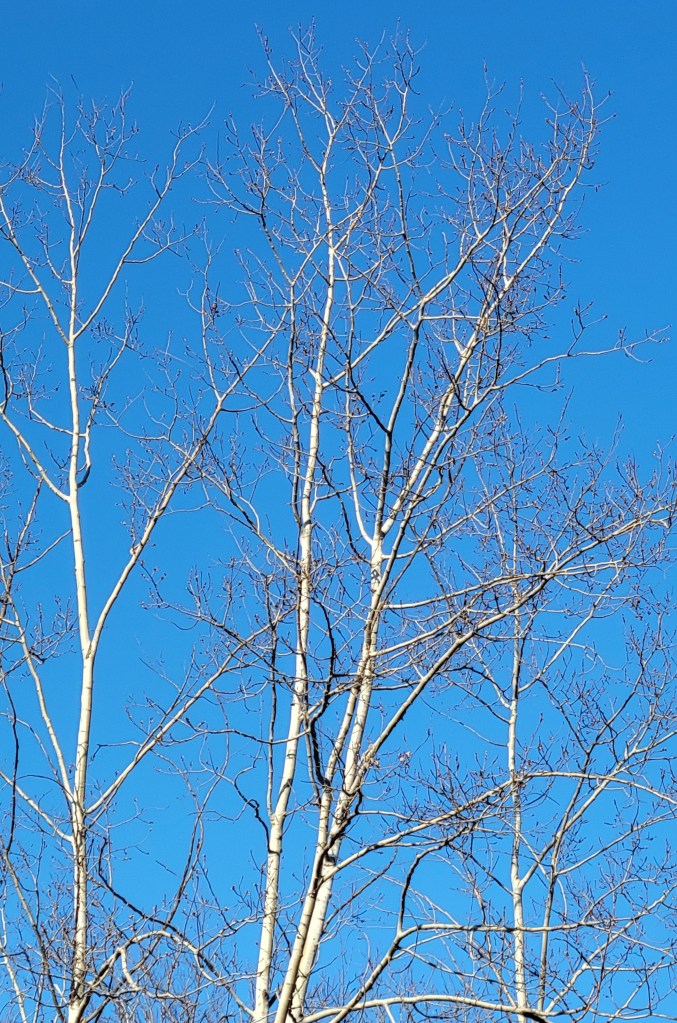
As I check the progress of the catkins, I will use last year’s photos as a guide to what to expect and for comparison.
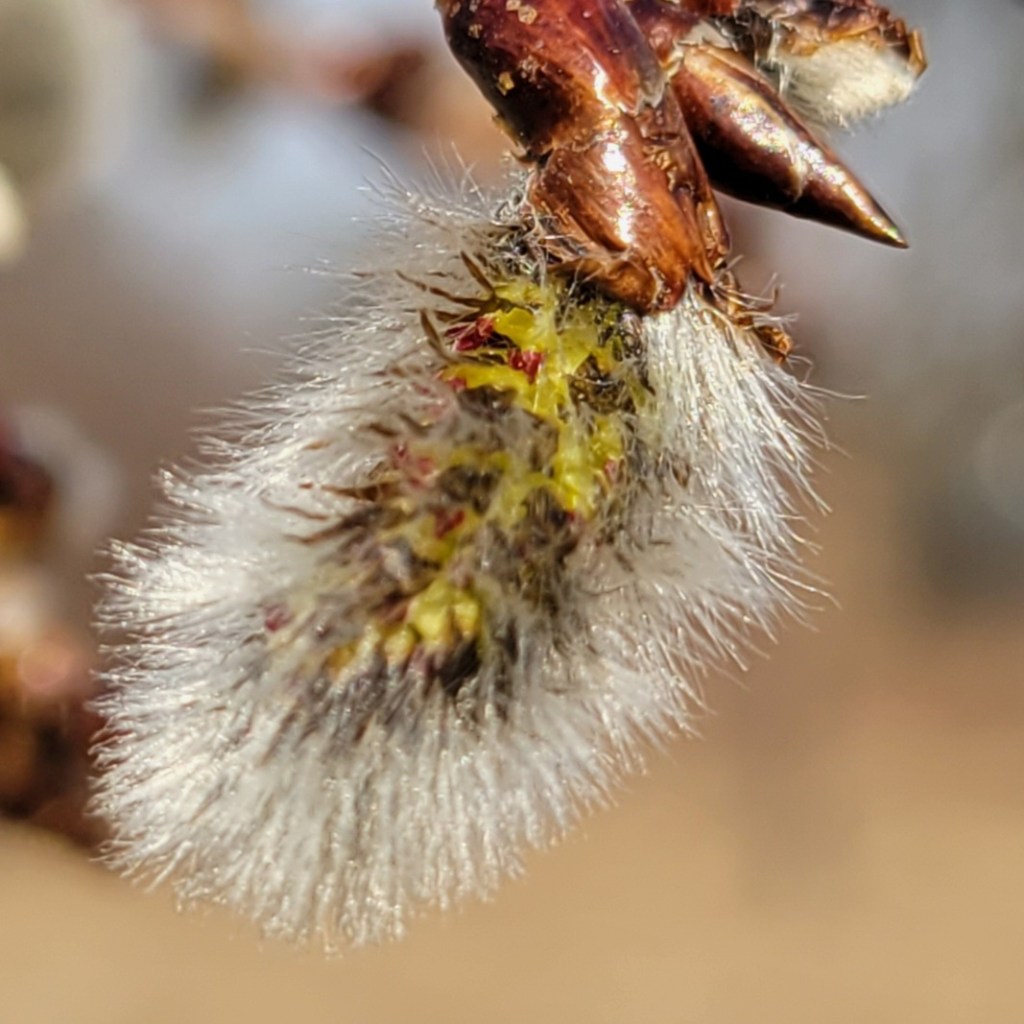
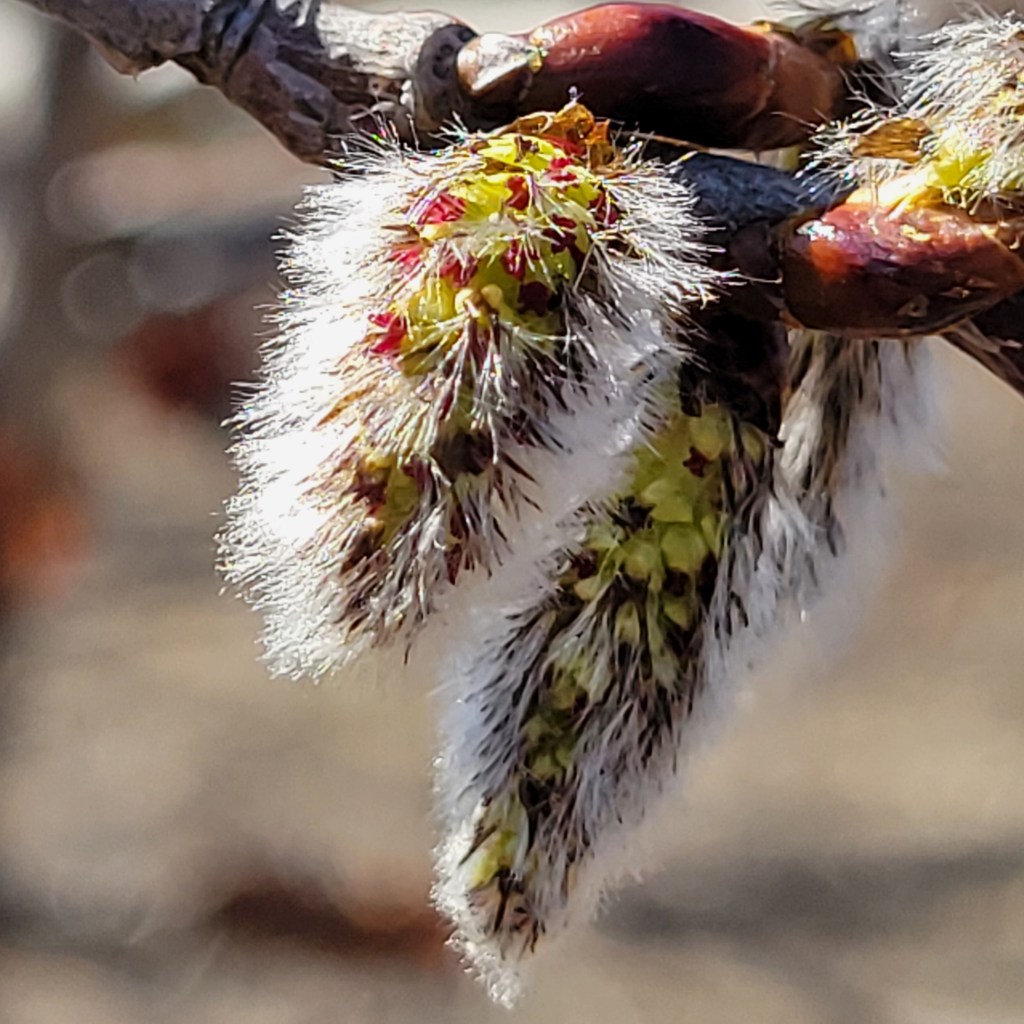
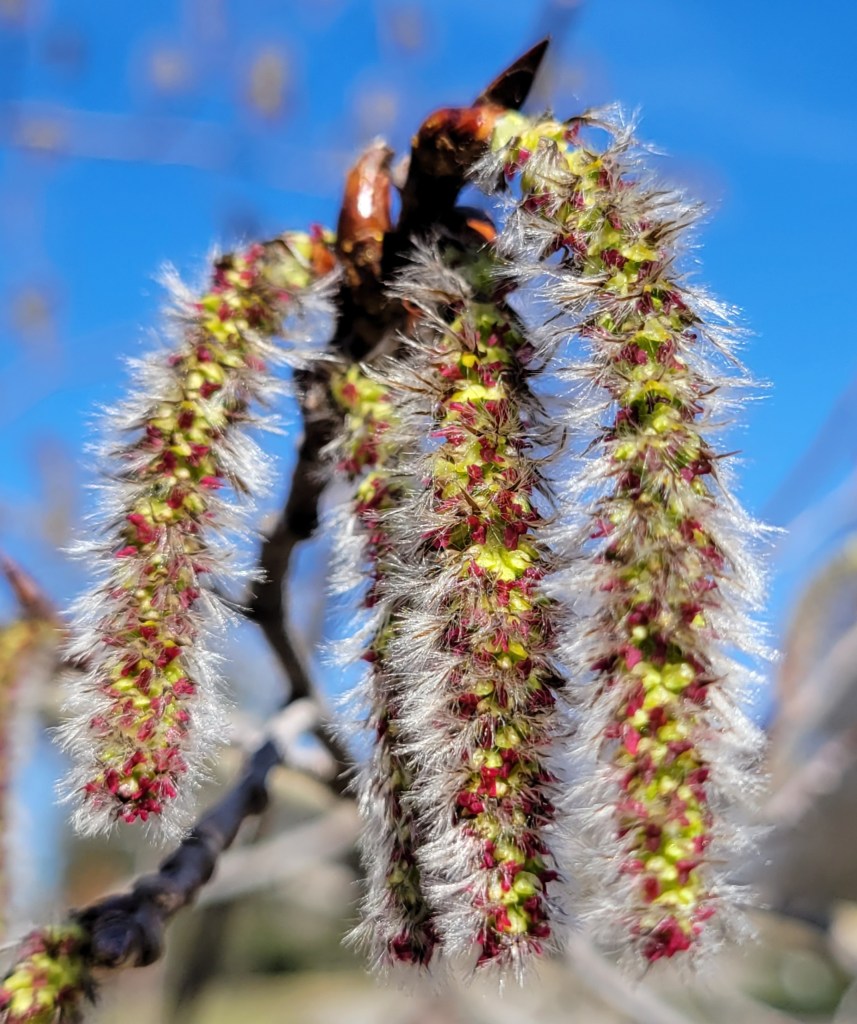

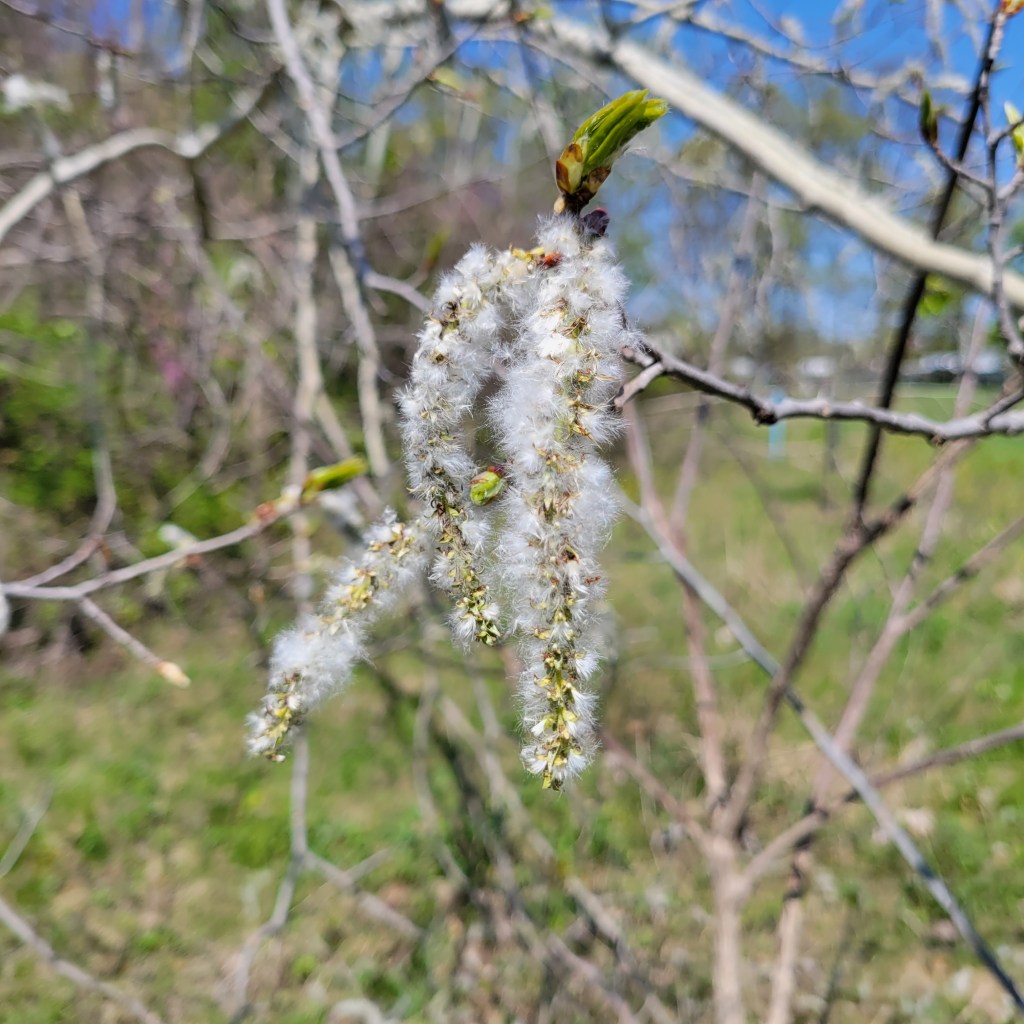
Aspen trees are dioecious; each tree has only female or male flowers and pollination means that pollen from male trees need to reach female trees. That reality, combined with the likelihood that all the trees in a particular Aspen grove are from the same root system (are really just one tree and, therefore, one sex) leads one to wonder how pollination occurs in a place like Eliza Howell where there are not multiple groves.
Quaking Aspens are normally wind pollinated, I have learned, and the pollen can travel quite a long distance. Wind pollination also helps to explain the paucity of insects visiting the flowers during my many visits last spring.
I may well have additional questions as I watch the catkins develop this year.

The discovery of a fallen live tree has provided the opportunity to observe more closely. Closer observations have led to questions to be researched. The answers to these questions lead one back for further observations to improve understanding.
This is typical, it seems, of the way nature-walk learning occurs.

 Eliza Howell Nature Walk
Leave a comment