Leonard Weber
March 8, 2024
When March arrives in Eliza Howell Park, it is time to expect the return of the first of the bird species that migrated south for the winter.
Over the years it has become clear: the earliest returning migrants, 11 of them, very likely to show up in March.
Here are the March 11.
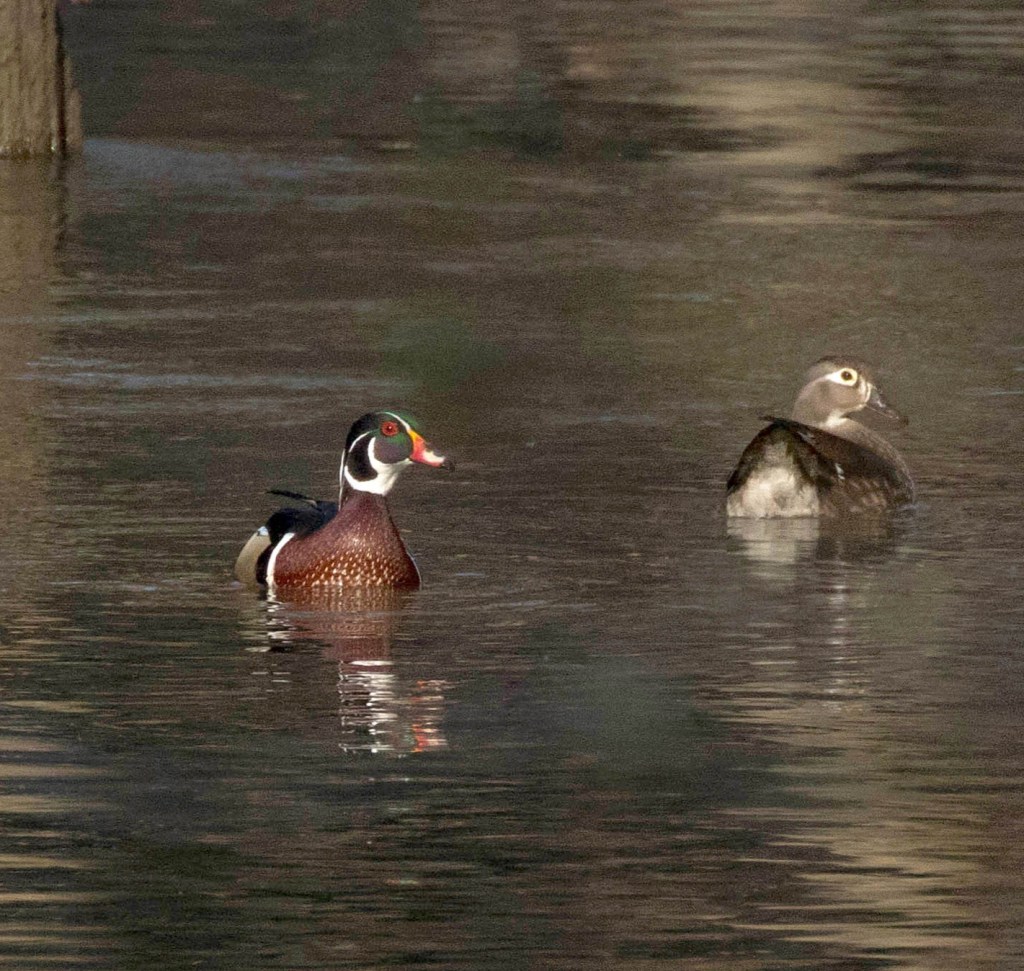
1. Wood Duck
First observed in EHP in the previous 10 years (2014 – 2023):
In March – 9 times; in February – once
In 2024 – February 28
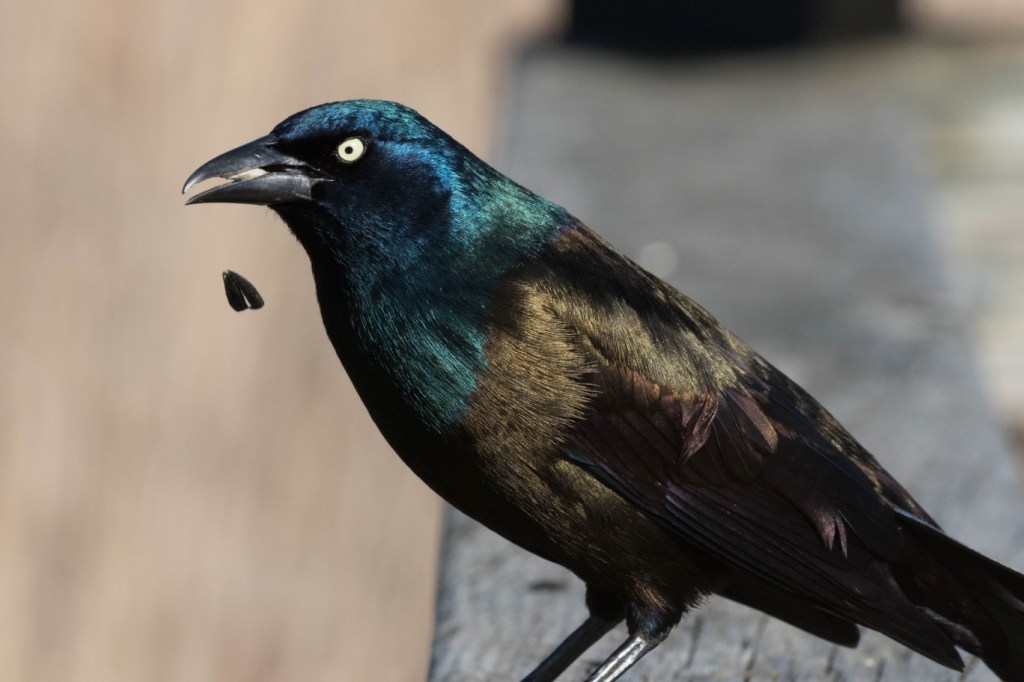
2. Common Grackle
In 2014 – 2023: March – 9 times; February – once.
In 2024: March 1.
3. Red-winged Blackbird
In 2014 – 2023: March – 7 times; February – 3 times.
In 2024: February 23

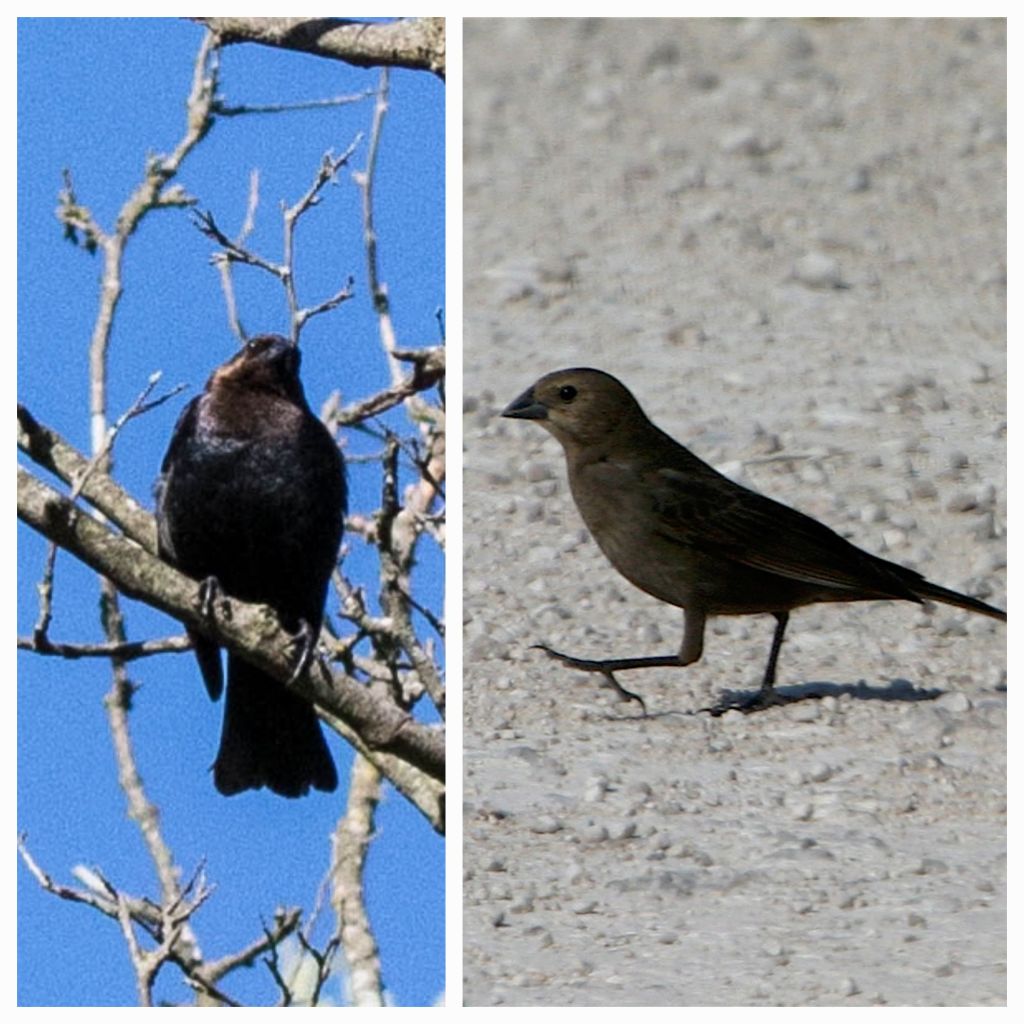
4. Brown-headed Cowbird
In 2014 – 2023: March – 10 times
In 2024: March 3
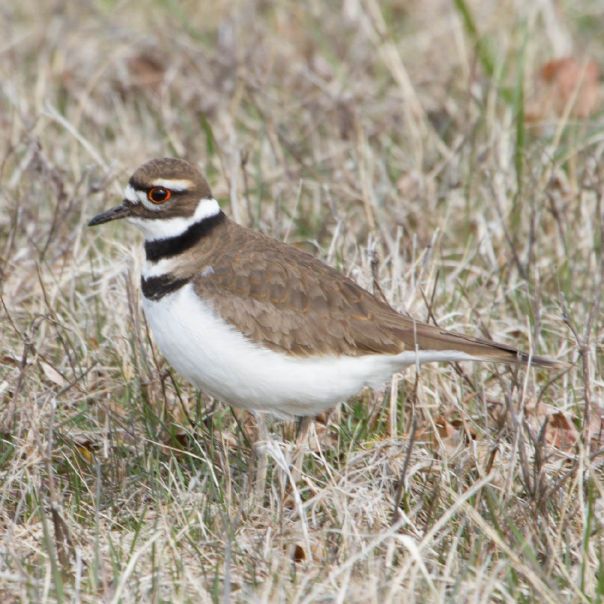
5. Killdeer
In 2014 – 2023: March – 8 times; February – once; April- once
In 2024: February 26
6. Eastern Bluebird
In 2014 – 2023: March – 9 times; February – once
In 2024 – February 22

7. Song Sparrow
In 2014 – 2023: March – 8 times; February – twice
In 2024 – March 6

The above seven species are the ones that I have observed so far this year. Most of them have arrived a little earlier than usual, perhaps because this has been a warm winter.
The March arrivals are short-distance migrants, spending the winter only hundreds of miles away, rather than thousands. The ones that will arrive in April and May go longer distances (more about them later).
8. Turkey Vulture
In 2014 – 2023: March – 10 times
In 2024: Not yet observed
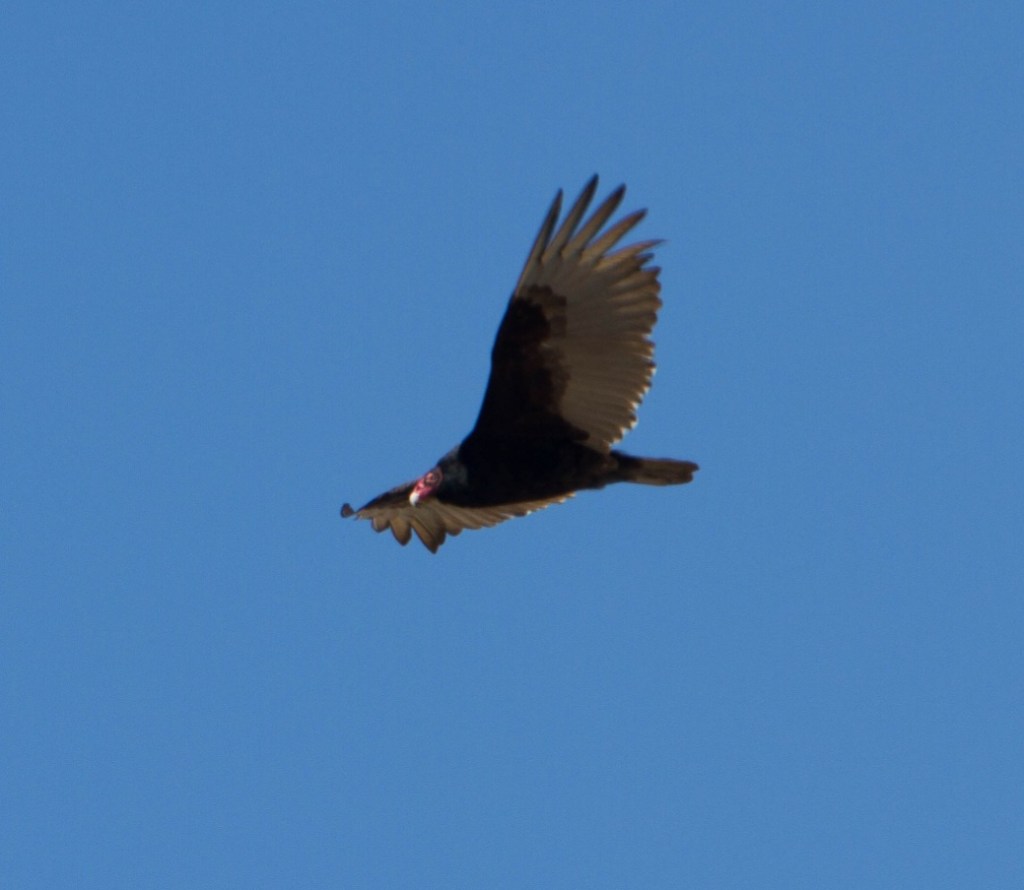
The Turkey Vulture is the first one on this list that doesn’t nest in the park* (at least, I don’t think that it does). It is a scavenger and can often be seen from about the middle of March to October, flying over as it seeks food.
(*Note: Cowbirds don’t make their own nests, but lay eggs in the nests of other species.)
9.Great Blue Heron
In 2014 – 2023: March – 8 times; April – twice.
In 2024: Not yet observed.

The Great Blue Heron also visits the park while foraging for food, but does not nest here. A colony nesting species, the ones seen here might nest in a the rookery a few miles downstream along the Rouge River.
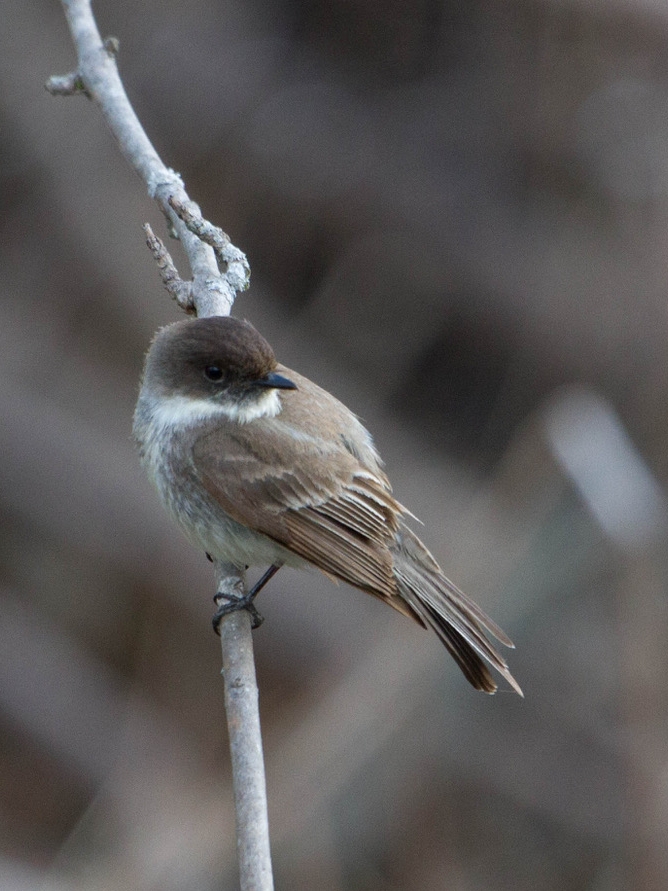
10. Eastern Phoebe
In 2014 – 2023: March – 7 times; April- 3 times.
In 2024: Not yet observed.
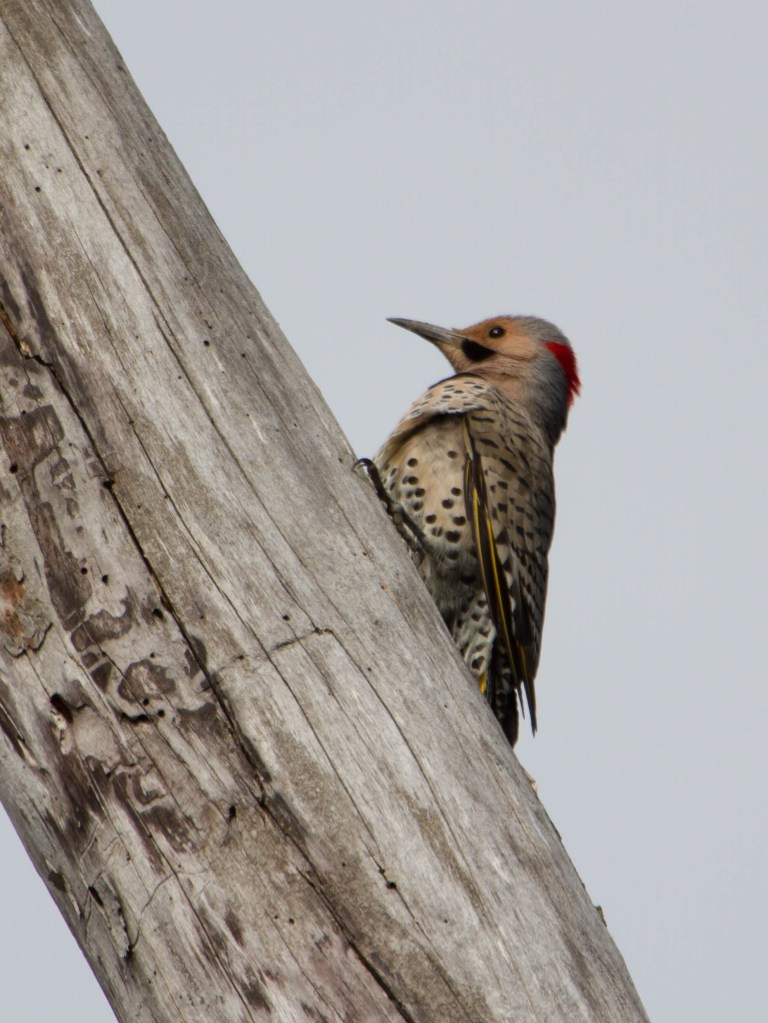
11. Northern Flicker
In 2014 – 2023: March – 7 times; April – 3 times.
In 2024: Not yet observed.
Sometimes, one or more of these 11 species is seen in southern Michigan in the winter, including in Eliza Howell Park; we are near the northern edge of their winter range. But that doesn’t happen very often. I do not expect to see them before March and I do expect to see them in March.
There is a very real way in which a new year starts about the beginning of March.
 Eliza Howell Nature Walk
Leave a comment