Leonard Weber
October 13, 2024
In a typical year, I see about 55 different bird species in Eliza Howell Park in Detroit during the month of October. Some of these are summer residents that have not yet departed south for the winter; some are year-round residents; some are migrants that spend neither summer nor winter here; a few are winter-only residents.
Among the birds of October are usually 9 different sparrow species (not including the House Sparrow). Among those that arrive in the first half of the month from the north are three that always capture my attention.
White-throated Sparrow

White-throated Sparrows eat fruit as well as seeds in the fall and can usually be found in the brushy edges where trees meet fields. They are typically seen in small flocks at this time of the year.
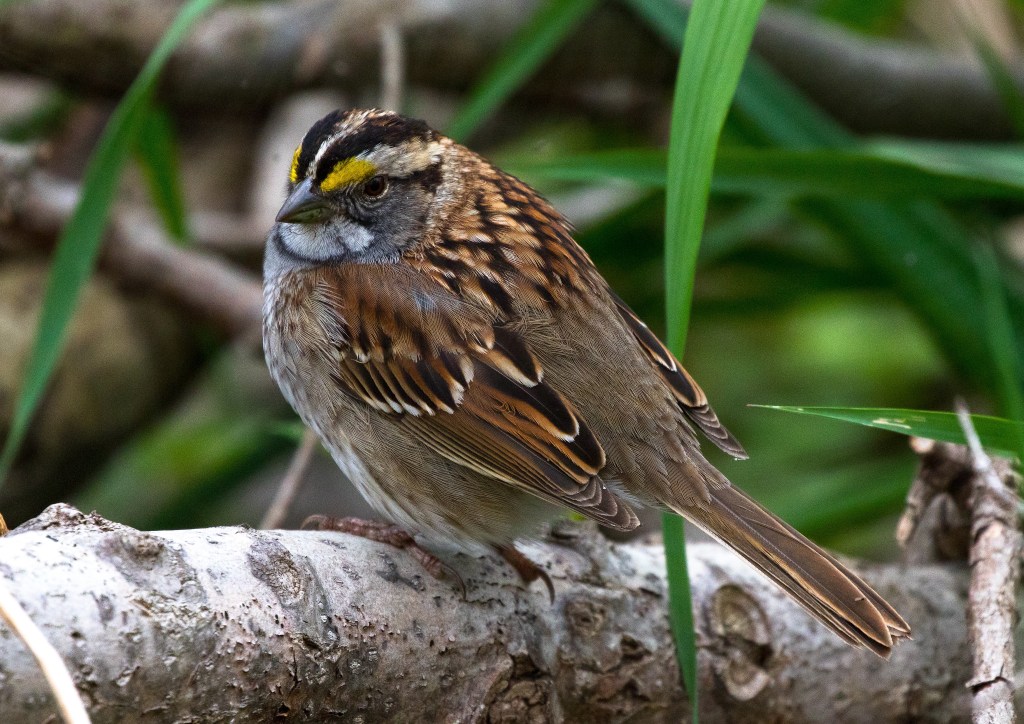
Detroit is south of their summer grounds and at the northern edge of their winter range. We may see a few in the winter months, but most are just passing through. (Range map is from Cornell Lab of Ornithology.)

White-crowned Sparrow
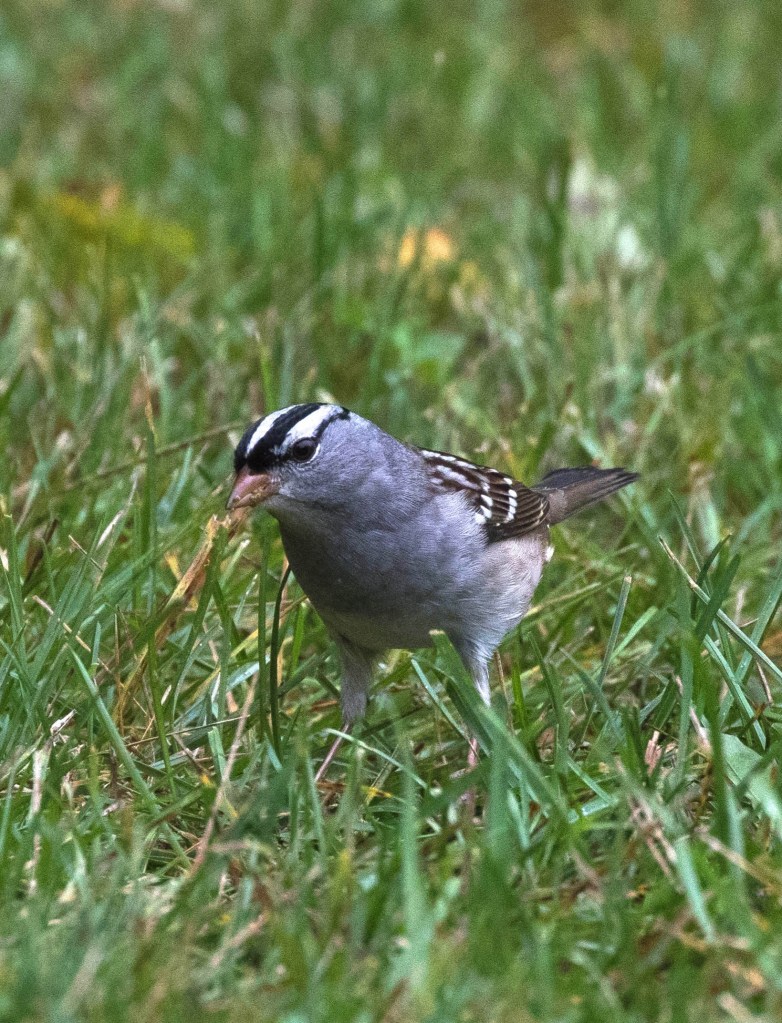
The above is the typical look of White-crowned Sparrows. A few in the fall look a little different. These are immatures, hatched earlier in the year, whose head does not yet show the characteristic white and black crown of adults.
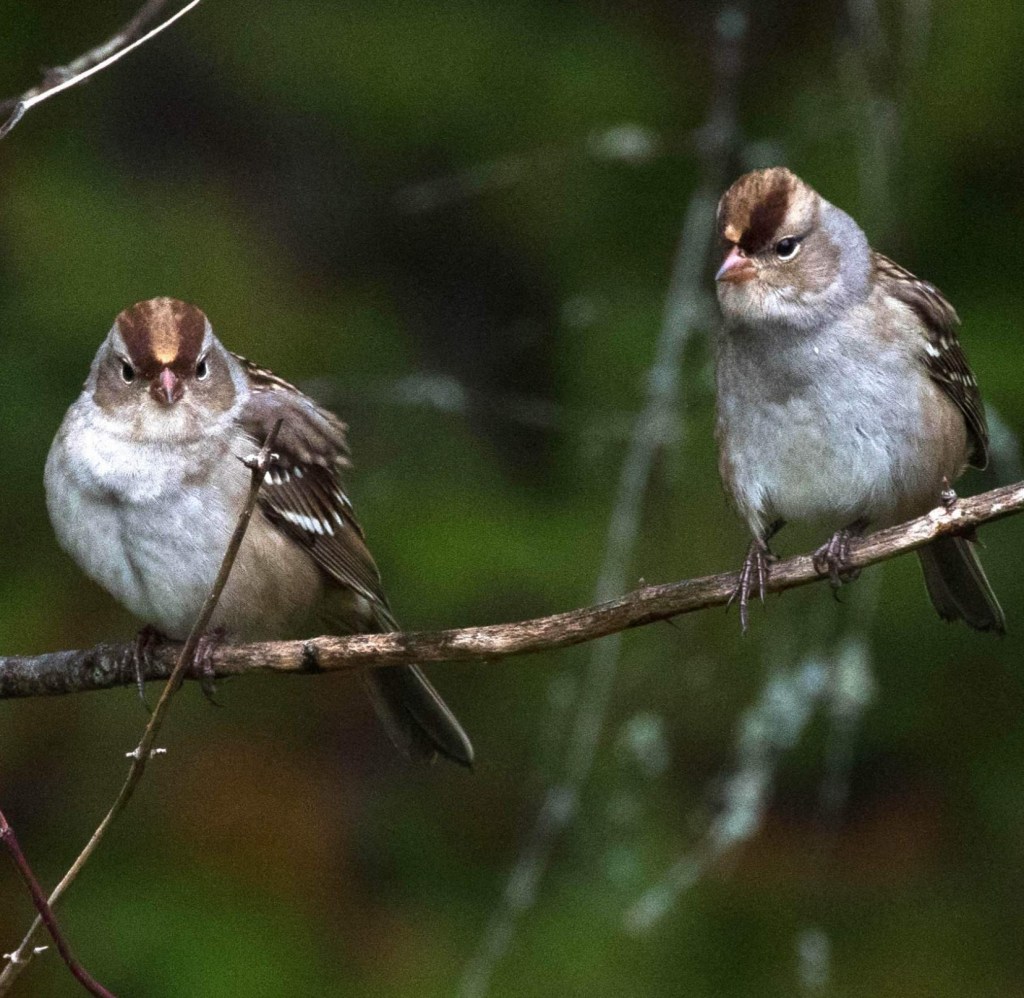
White-crowned Sparrow can usually be found on the ground in the fall, searching for seeds and other food.
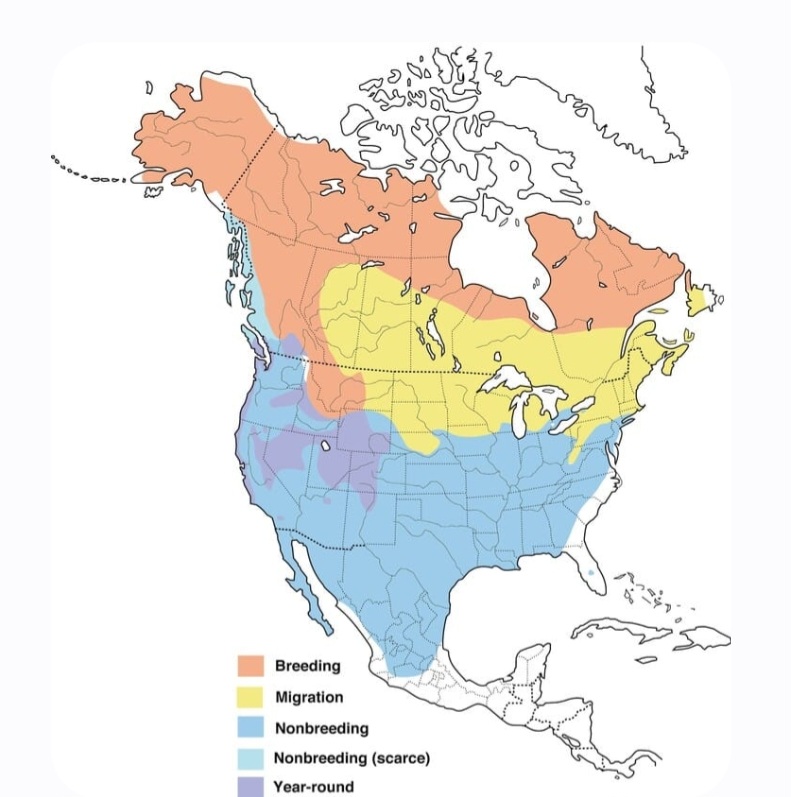
It breeds much further north and winters a little south of here, so it can normally only be seen twice a year in the park. (Range map is from Cornell Lab of Ornithology.)
Dark-eyed Junco
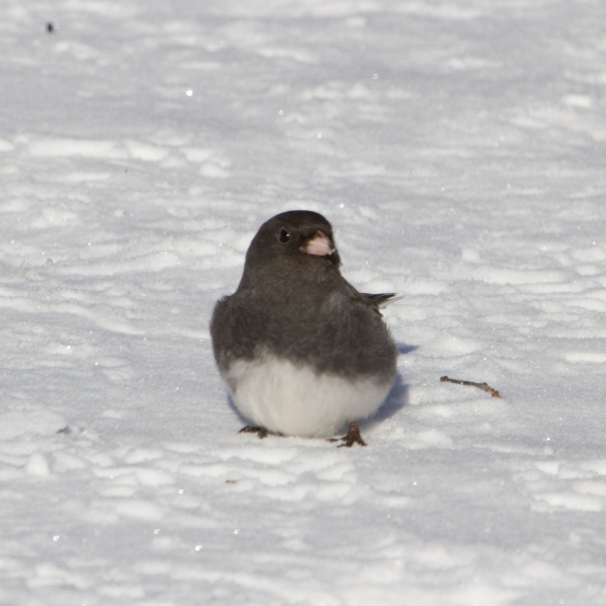
The Dark-eyed Junco, considered the “snowbird” in many parts of the country because it is present all winter (and not at all in the summer), is present in Eliza Howell Park from October until early April.
The Junco’s fall arrival is a noteworthy event annually. In 2024, it was first spotted on October 8.
Not surprisingly, the “snowbird” is often photographed when there is snow on the ground.

It is a seed eater and a ground feeder. It is attracted to bird feeders, frequently seen on the ground under a feeder, eating fallen seeds.
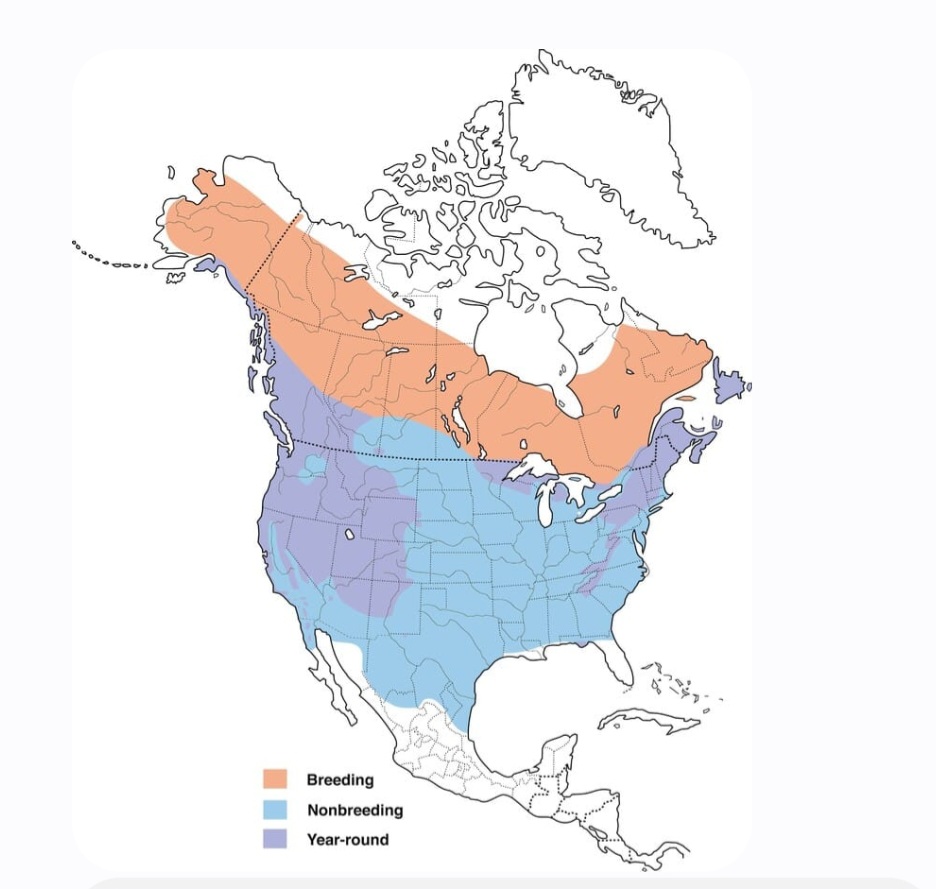
In east and central North America, Dark-eyed Junco breeds mostly in Canada but is found throughout the U.S. in the winter. (Range map is from Cornell Lab of Ornithology. )
In a typical October, the sparrow species that can be observed in Eliza Howell, in addition to the three featured above, are:
Song Sparrow
Chipping Sparrow
Field Sparrow
Swamp Sparrow
American Tree Sparrow
Fox Sparrow
While sparrows in general do not have the same reputation for excitement and color as some other bird families, those of us who watch birds in October in southeast Michigan know that sparrows are a highlight of fall migration and that the arrival of White-throateds, White-crowneds, and Juncos is a special part of the fall seasonal transition.
 Eliza Howell Nature Walk
Leave a comment