Leonard Weber
November 25, 2024
For the next 4 months or so, the trees in Eliza Howell Park will be dormant, with very little change in their appearance. Though dormant, the trees are definitely not featureless, and these months provide good opportunities to get to know deciduous trees in the leafless season.

Winter is an ideal time to walk in the woods. A view of the dozens of leafless trees of various ages is an invitation to walk among them.

I find myself returning often to my winter photos of the river looking upstream from the footbridge. Especially when the sky is blue, the light-colored bark of the Sycamore tree on the right demands my attention.
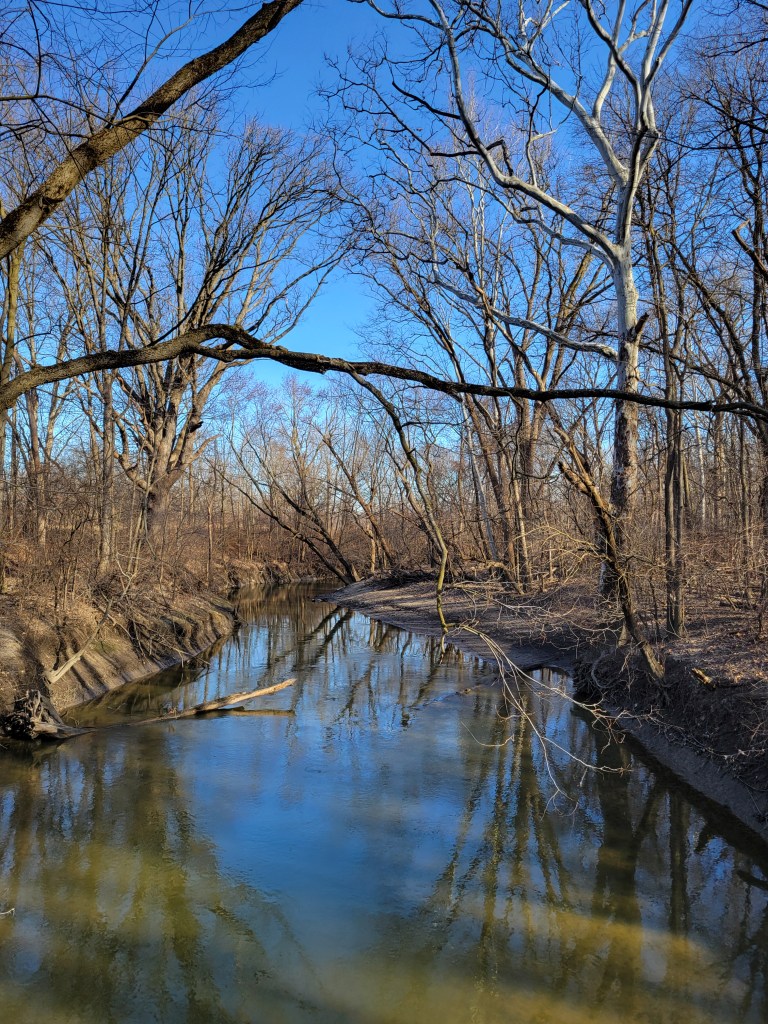
In the absence of leaves, the bark of trees is more often a center of focus. While it can sometimes be incredibly difficult to identify some trees by their bark, the bark patterns of a few species are distinctive.


Sometimes, a tree’s bark is nearly covered with lichen.

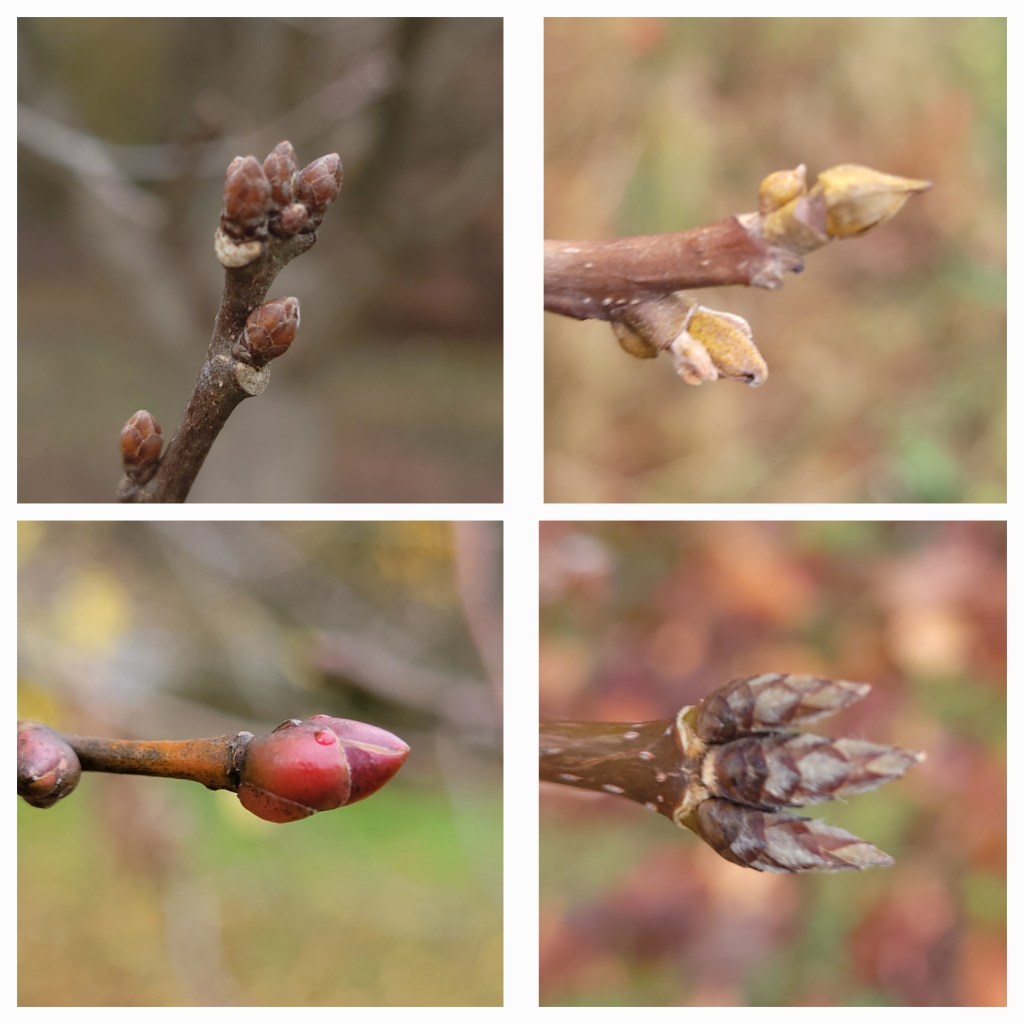
When the tree limbs hang low enough to allow the examination of the ends of stems, (usually where trees are not crowded, less likely in the woods), one can get to recognize the characteristic shape and color of stem buds.
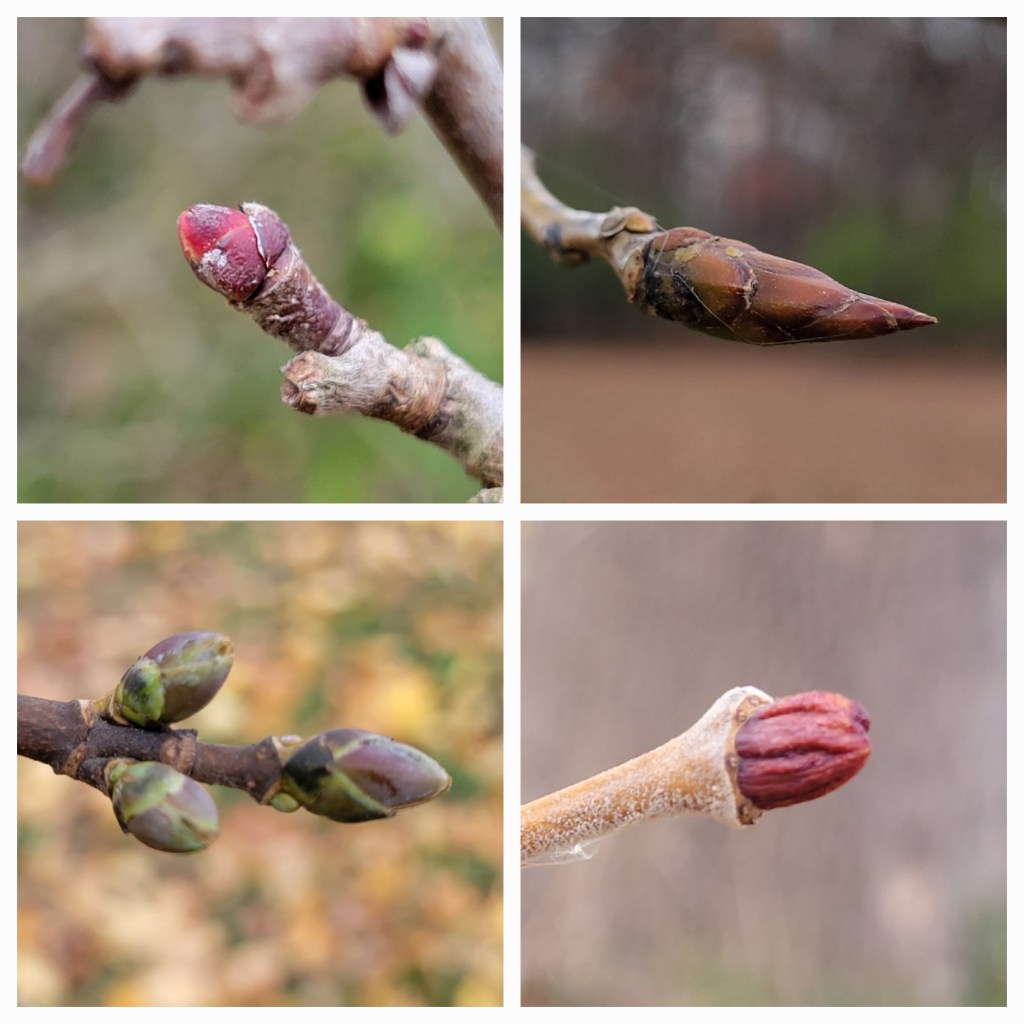
It’s both challenging and satisfying to get to know a number of tree species by their buds, present throughout the dormancy months.
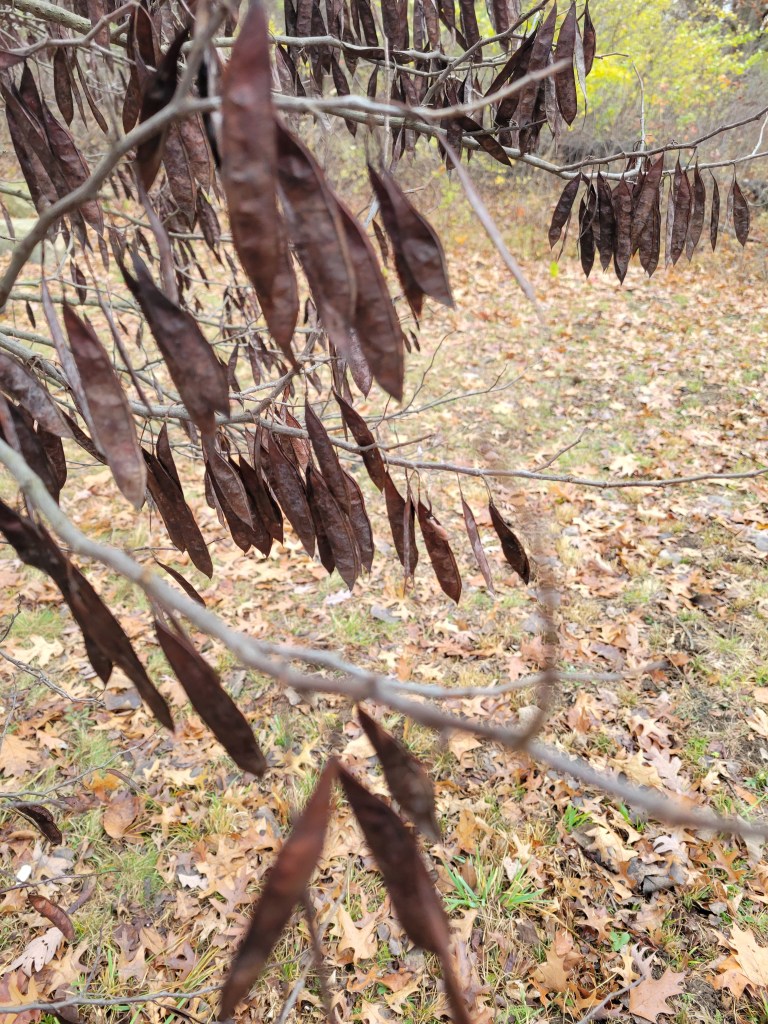
Some tree species are leafless, but still retain their dried seed pods well into winter.
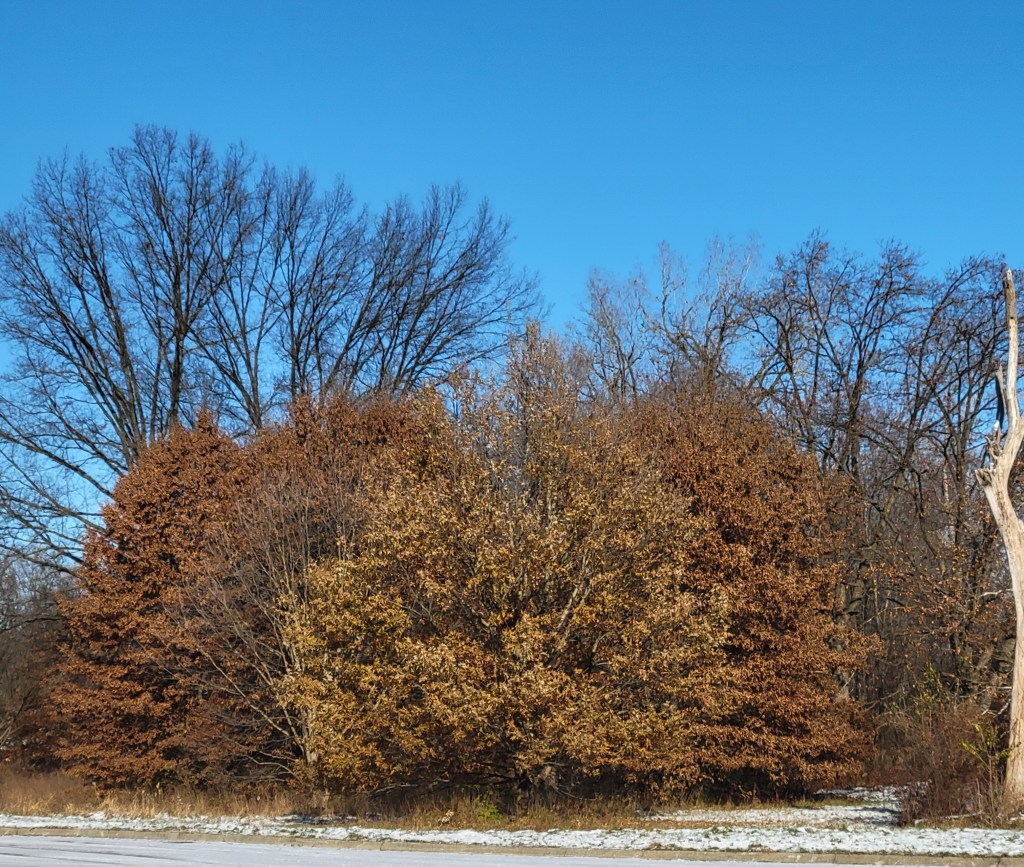
Though, in general, deciduous trees have lost their leaves, there are some trees where dried leaves hang on for the winter, a phenomenon known as marcescence. In Eliza Howell Park, this most commonly happens with a few oaks.
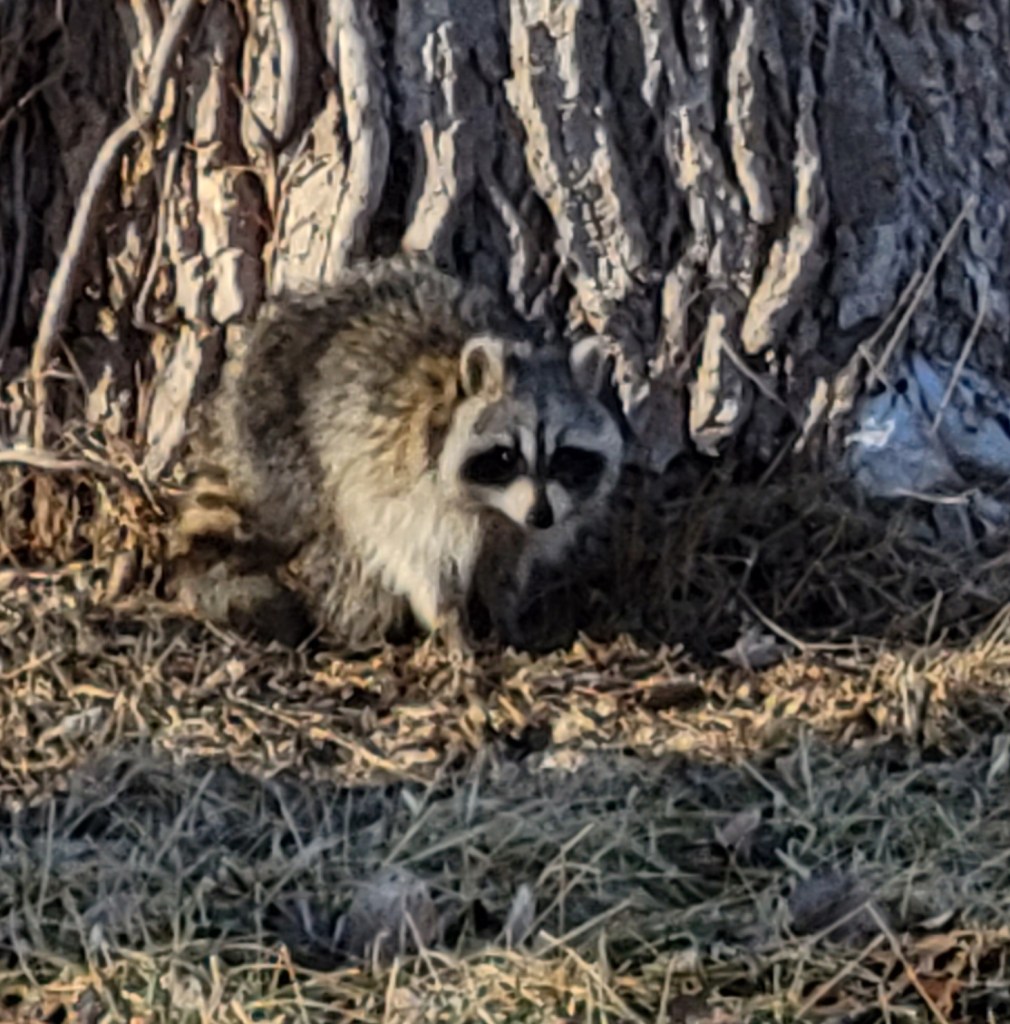
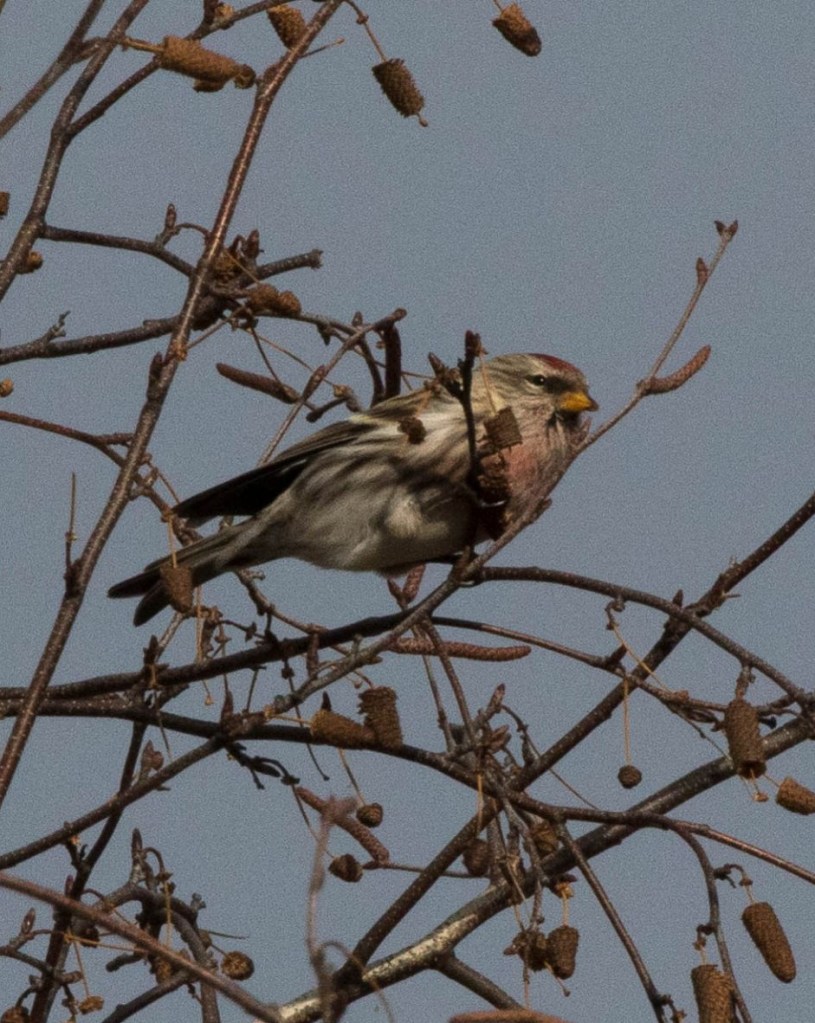
Winter tree watching sometimes includes watching various types of fauna that can be seen in or by trees, attracted by shelter or food opportunities.
I invite you to take one or several winter tree walks this year. Don’t forget to bring a camera!


 Eliza Howell Nature Walk
Leave a comment