Leonard Weber
December 9, 2024
In December 2024, I am completing 20 years of bird walks in Detroit’s Eliza Howell Park. With observation records from 240 consecutive months, I have a pretty good understanding of what to expect to see at any given time of the year.
The average number of observed bird species in December is 25 (only January and February have fewer). Of these 25, about 20 are fully predictable, birds that can be expected to be here almost every year. These are the regulars.
There are also always a few less predictable, another 15 or more species that occasionally show up in this month.
Most of the regulars are year-round residents in the park, found here all four seasons. Here are 10 of them.
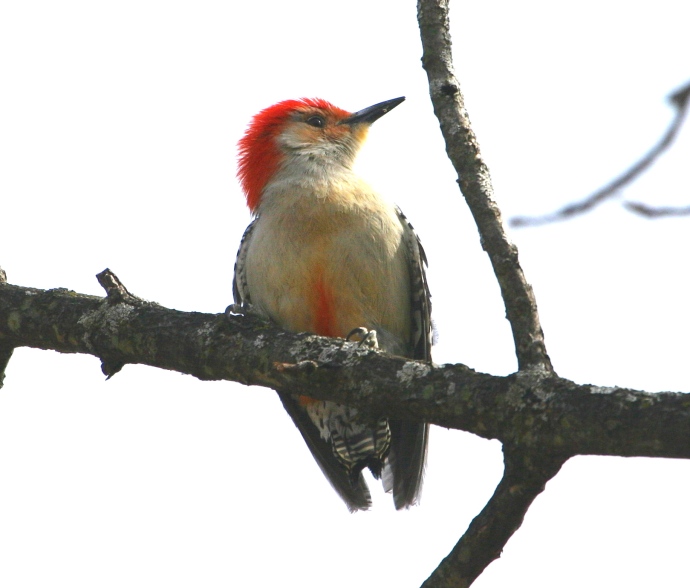
Photo courtesy of Margaret Weber
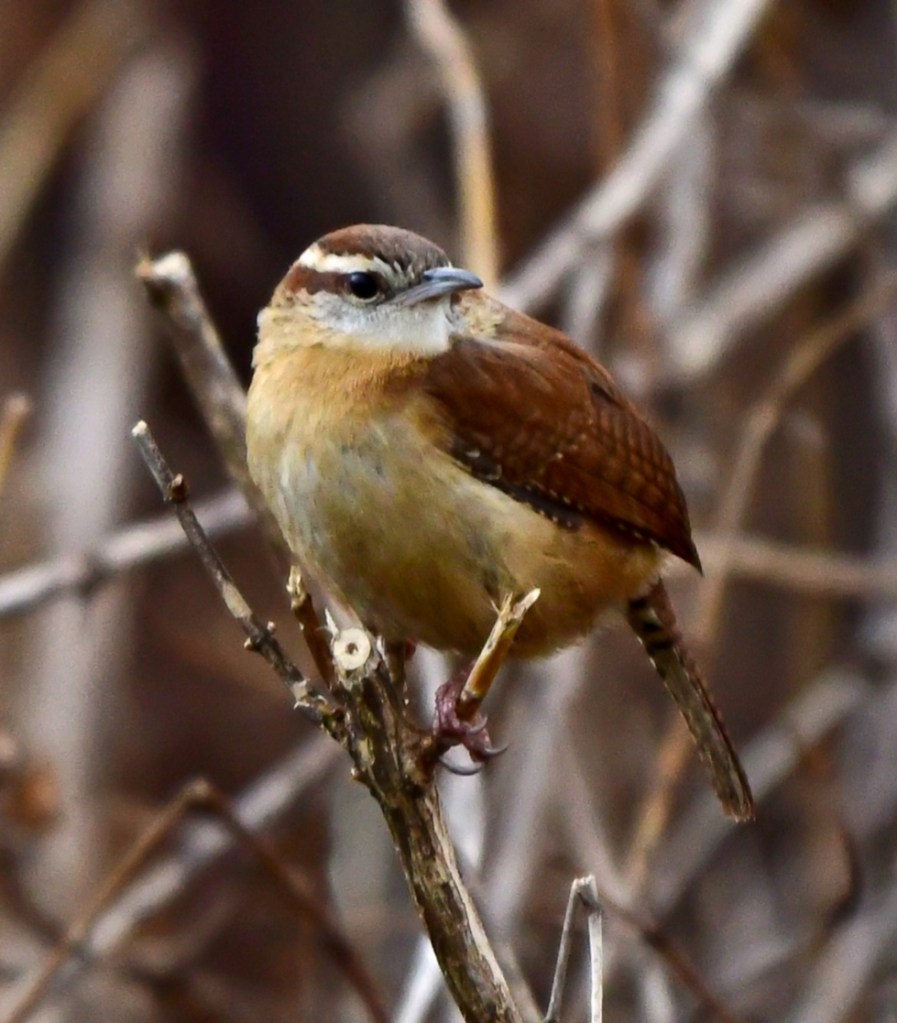
Photo courtesy of Kevin Murphy
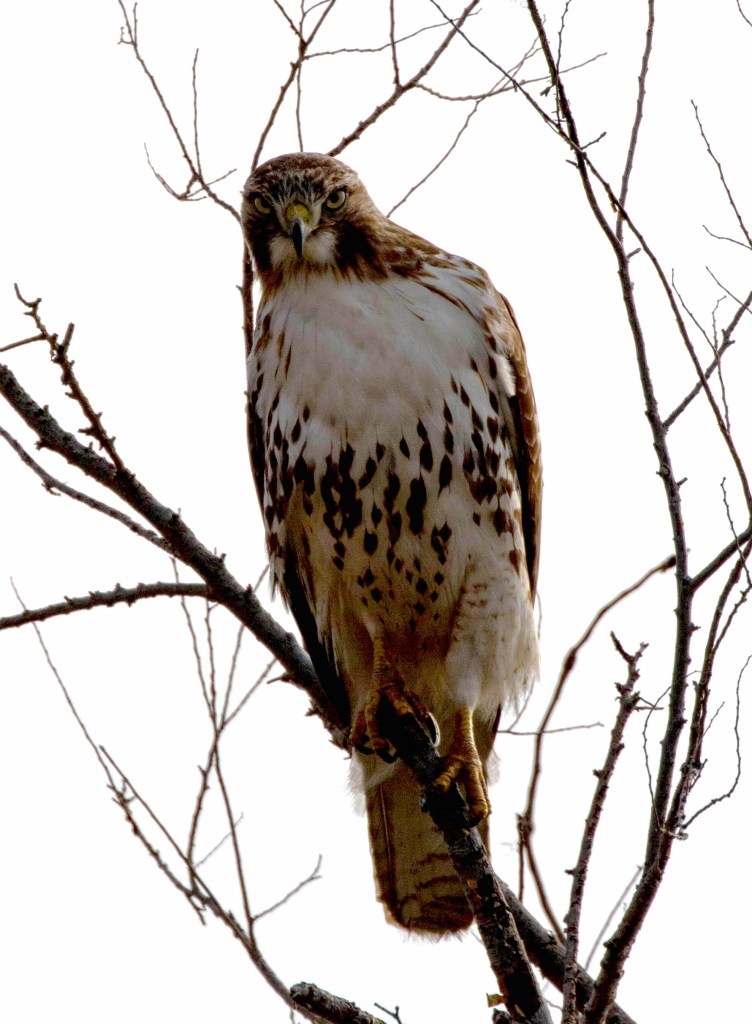
Photo courtesy of Margaret Weber
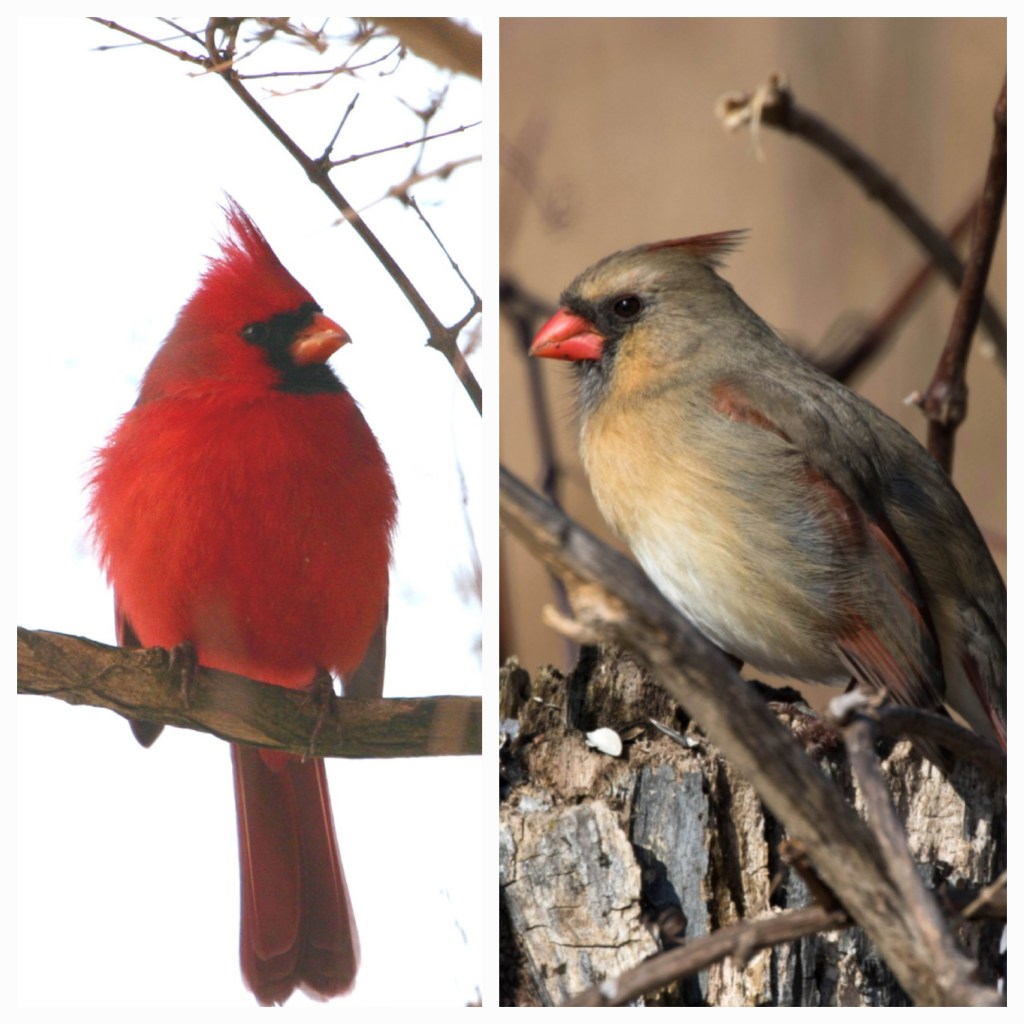
Photos courtesy of Margaret Weber
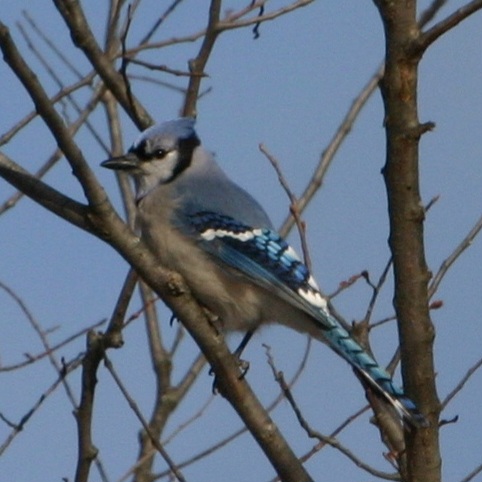
Photo courtesy of Margaret Weber
I sometimes refer to four species that sometimes move through the trees in winter in proximity to one another as “the foraging four.”
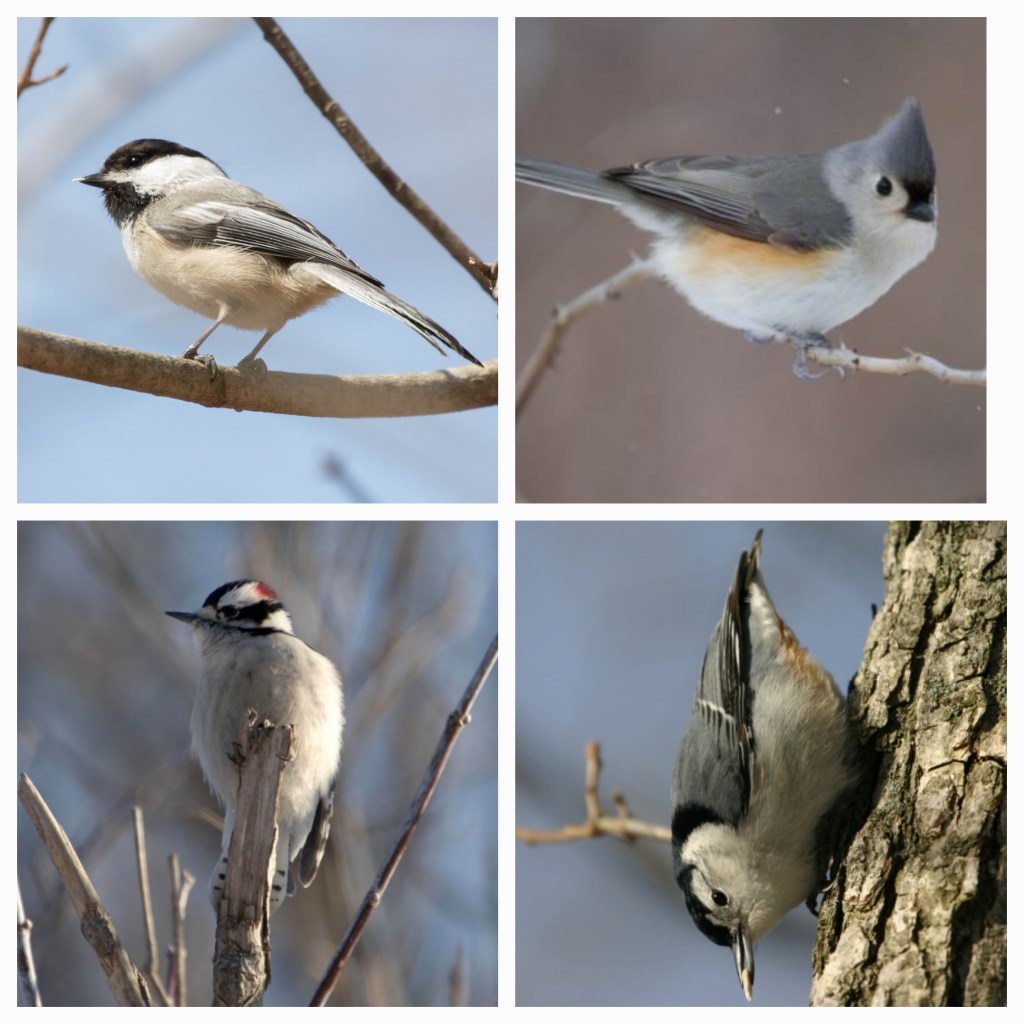
Botton: Downy Woodpecker and White-breastfed Nuthatch. Photos courtesy of Margaret Weber
One of the common birds of winter is not a year-round resident. The Dark-eyed Junco spends the breeding season north of here; southern Michigan is part of its winter range. It is reliably present here for some six months beginning in October.

Photo courtesy of Margaret Weber
It is much more difficult to predict which of the species that occur only occasionally in winter will show up in any specific December (or January or February). This sense of “what might I see” is part of the incentive to go out again and again on cold winter days.
In recent years, there has been a relatively good chance that I will see a Merlin (a falcon that sometimes winters in urban areas) at least once during the winter months. It has already been present this month.
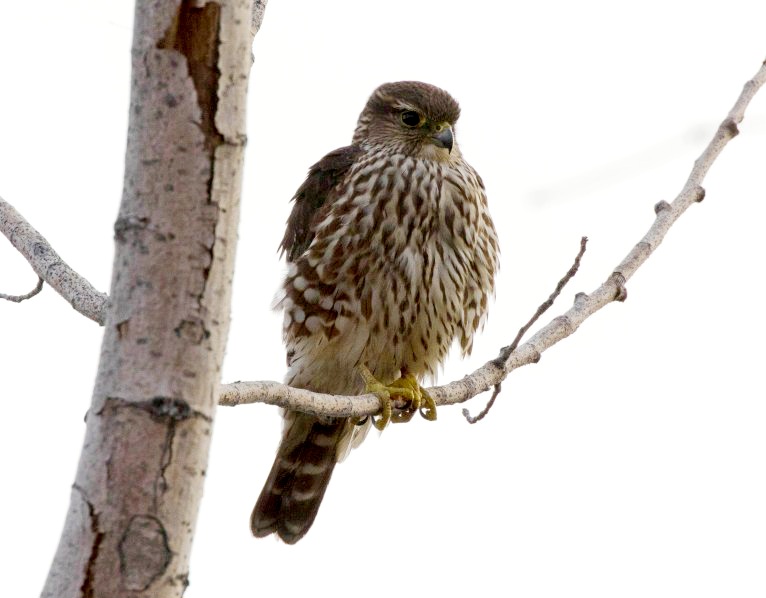
Photo courtesy of Margaret Weber
Though I definitely do not see them every year, I frequently check birch trees during my winter walks for Common Redpolls. These small birds, usually in flocks, are quite rare visitors from the north. When in the park, they are typically found eating birch tree seeds.
Merlin preys upon small birds and, if it is present at the same time as the Redpolls, a chase is almost inevitable
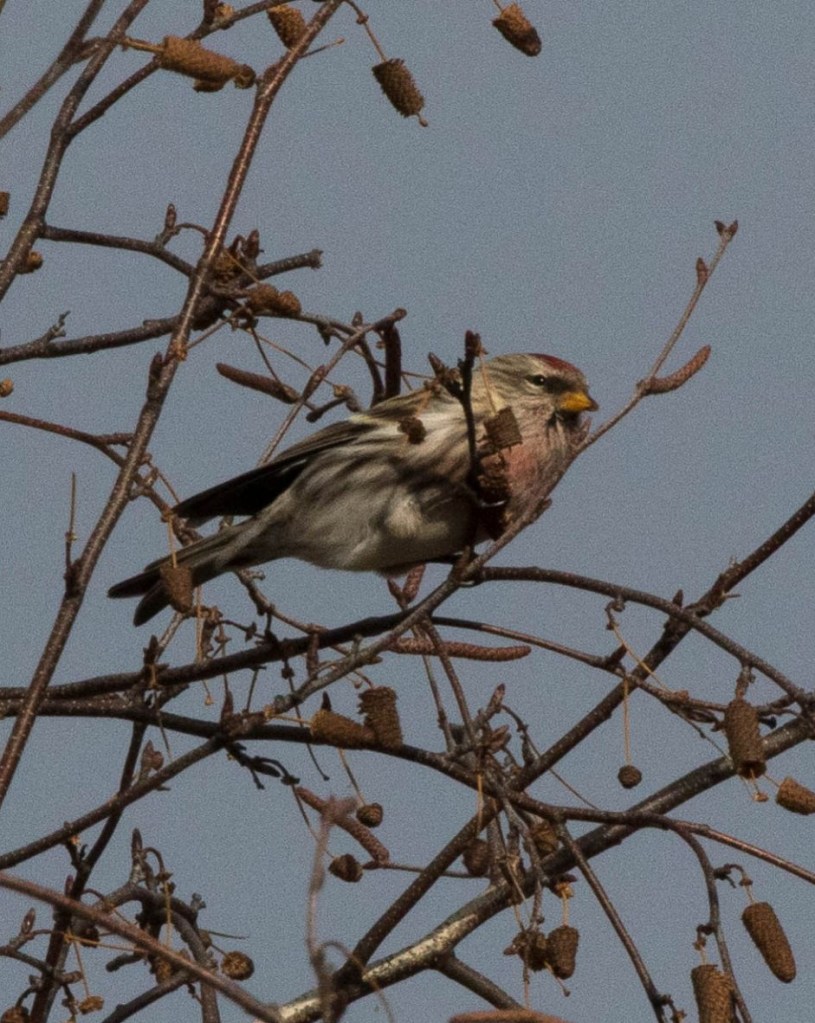
Photo courtesy of Margaret Weber
Golden-crowned Kinglet is another small species that is occasionally present in the winter months. It breeds north of here and there are always a number of them in Eliza Howell Park in the spring and fall as it migrates through. This is the northern edge of its winter range, so it can be seen here occasionally in winter.
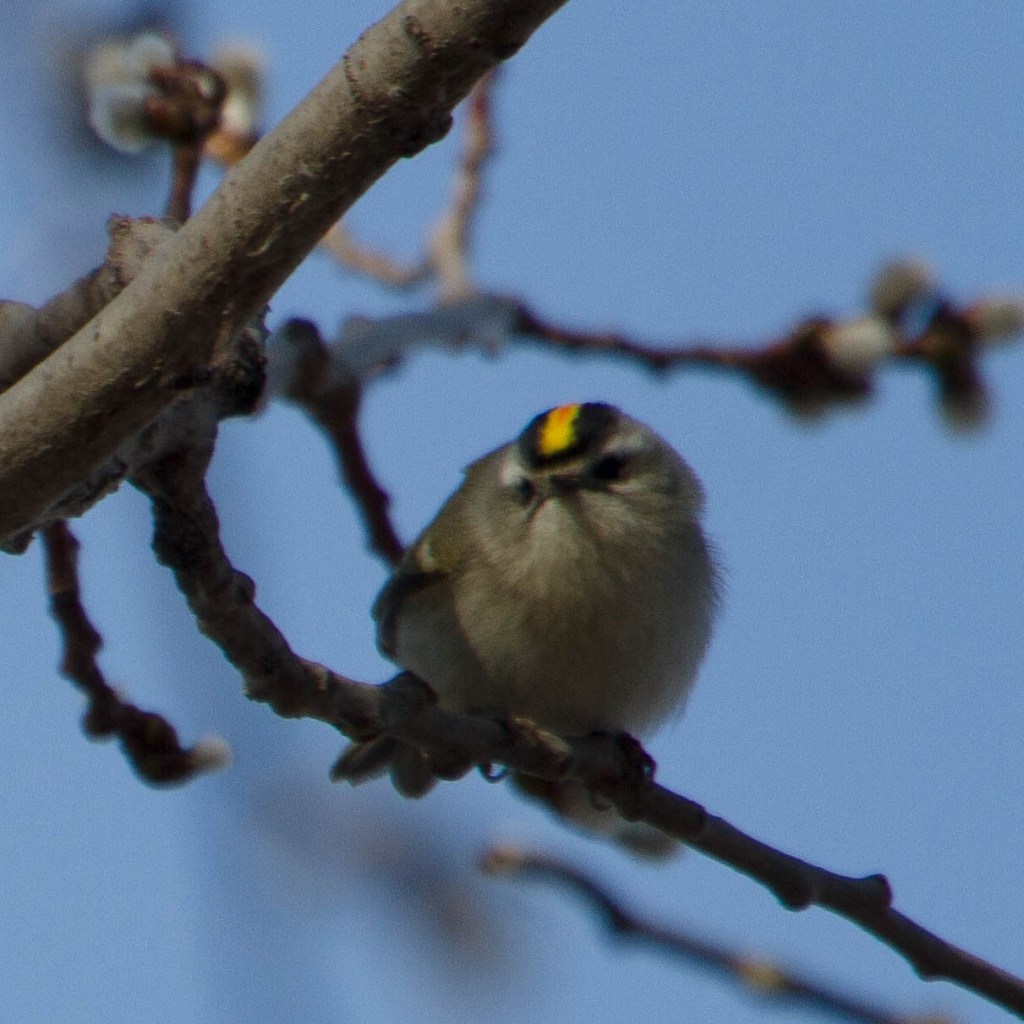
Photo courtesy of Margaret Weber
The birds only occasionally in Eliza Howell in winter include a couple that breed here before going south for the winter. One is Eastern Bluebird. This is another case of being in the northern section of its winter range. It is rarely present in the park in winter. When it is, it brings a bright light to winter.
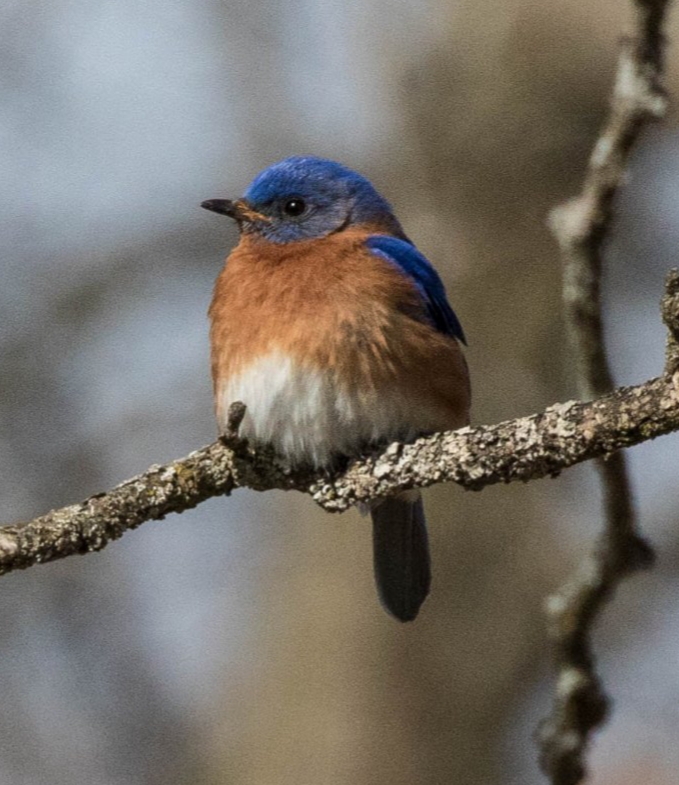
Photo courtesy of Margaret Weber
It is always rewarding to see the winter regulars. Thank you for being here again this season.
It is always rewarding to see the winter occasionals. Thank you for your visit.
 Eliza Howell Nature Walk
Leave a comment