Leonard Weber
February 28, 2025
It has been an exciting winter for nature observation in Detroit’s Eliza Howell Park this year: on-going Beaver activity, the frequent presence of a Merlin, several observations of Mink, of an American Kestrel, and of an Eastern Screech Owl. And thanks to the Screech Owl’s hunting skills, I can now confirm that Southern Flying Squirrels are present here.
Despite all this activity, winter is largely a time of quiet, of dormancy. It is now time to look forward to a reawakening, to another year of birth and growth. It is, in fact, already starting.

We can live by different calendars for different purposes. The familiar way of marking the seasons is by the “astronomical calendar,” which is based on the position of the earth in relationship to the sun. According to this calendar, we wait until the vernal equinox to celebrate the beginning of spring (this year, March 20).
Another approach is referred to as the “meteorological calendar.” It is based on the annual temperature cycle. In this way of identifying the seasons, the three coldest months in the northern hemisphere – December through February – make up winter. Spring, the next 3 months, starts on March 1.
The annual changes in the flora and fauna are closely related to annual temperature changes, so I find it helpful to adopt the meteorological calendar for record keeping and for describing what can be expected to happen when.

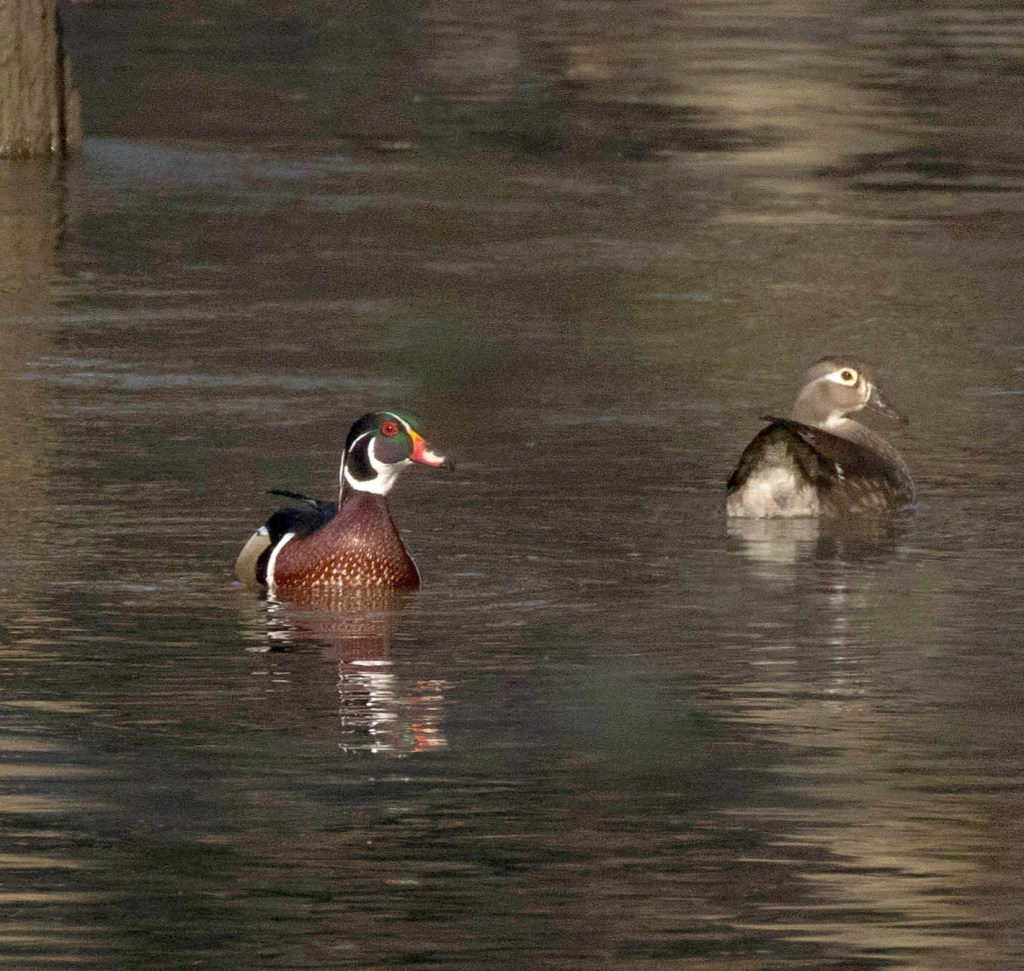
male and female. Photo courtesy of Margaret Weber
Many of the bird species that breed in the park migrate south for the winter. The first of these to return usually arrive right around March 1.
The first Red-winged Blackbird of 2025 was observed on February 28. This compares to similar dates in the previous 5 years:
2024 = February 28
2023 = March 2
2022 = March 1
2021 = March 1
2020 = February 24
Margaret Weber
By the end of March, other short-distance migrants that spend the warmer months south of here are again present. Here are some of them.
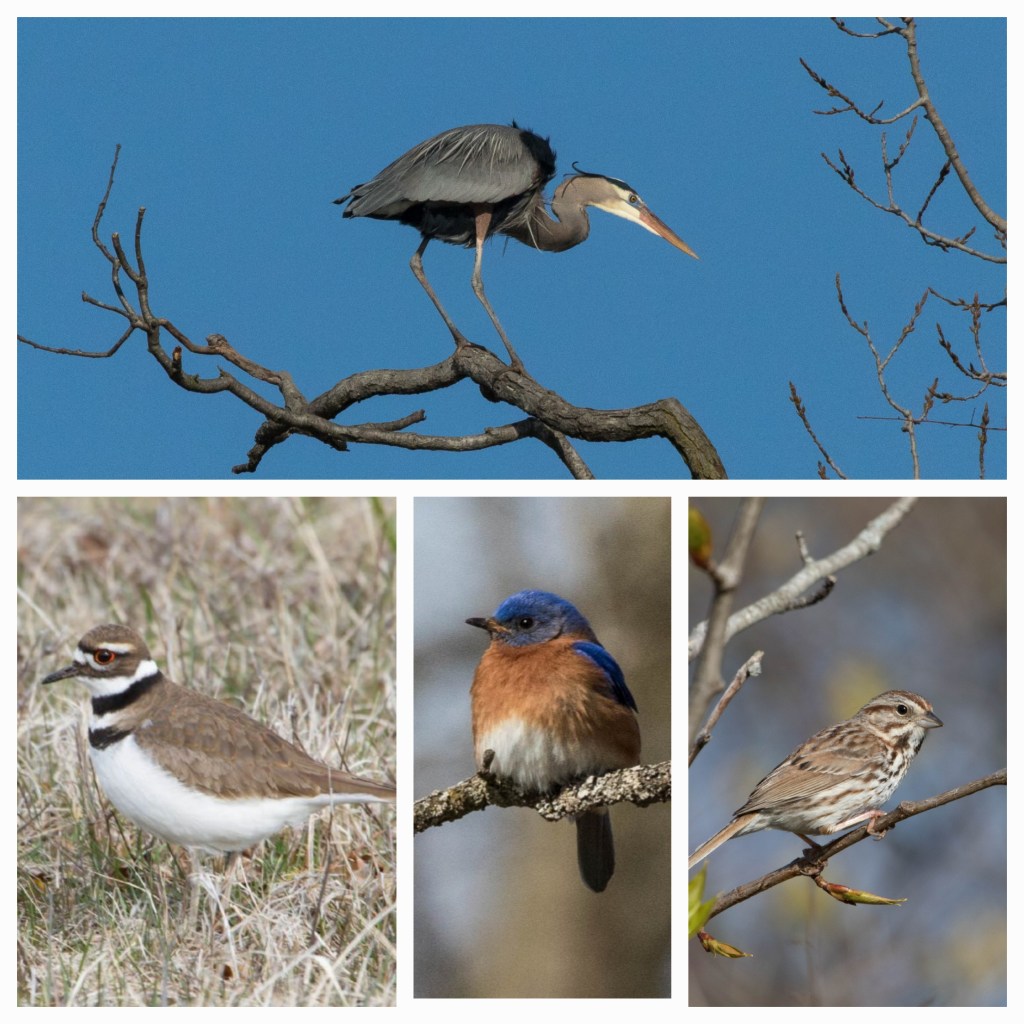
Lower: Killdeer, Eastern Bluebird, Song Sparrow.
Photos courtesy of Margaret Weber
Early March is also the time to check the buds that are developing on flowering trees.

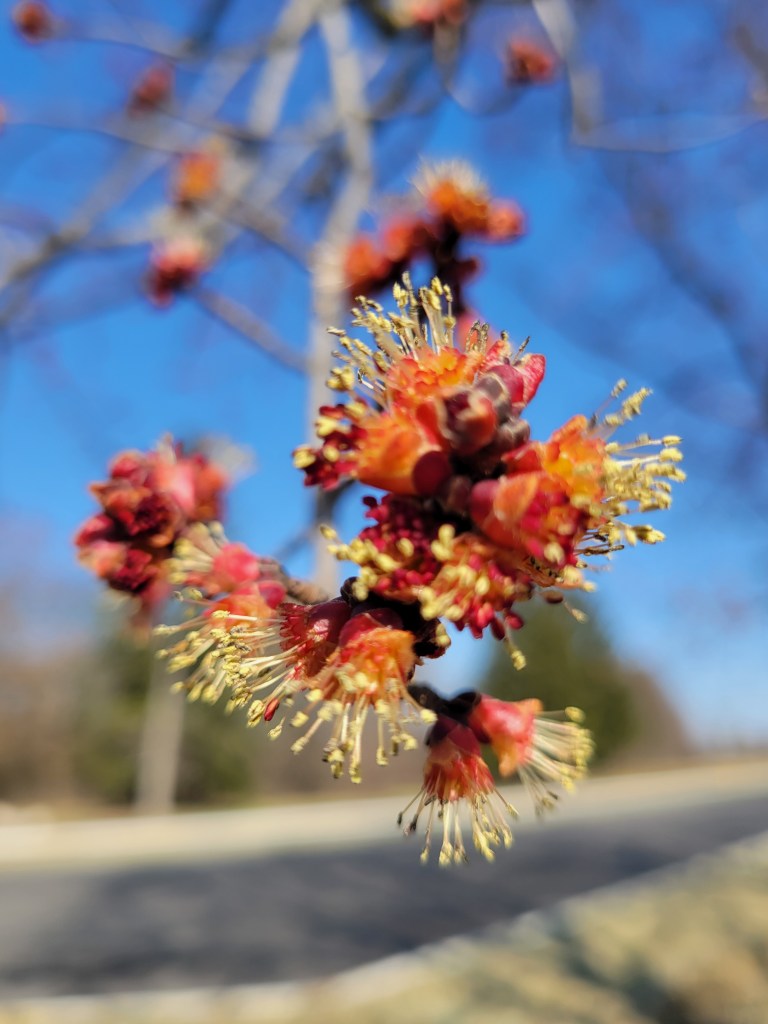
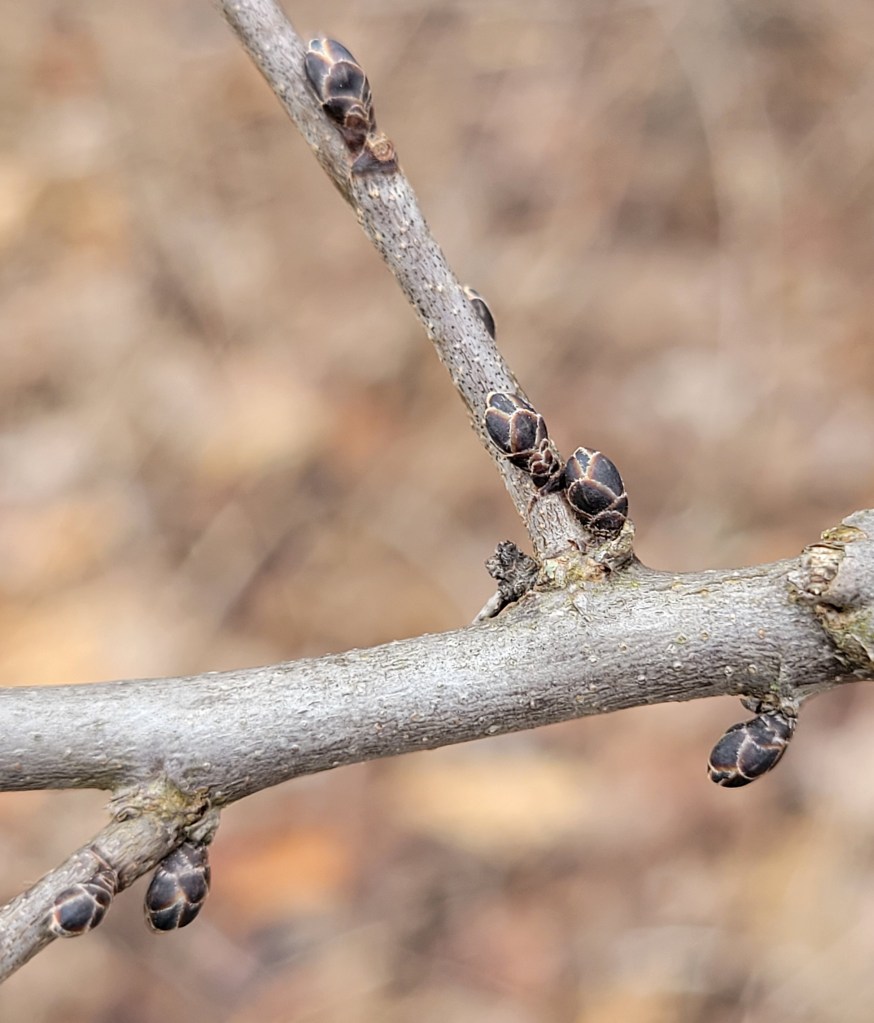
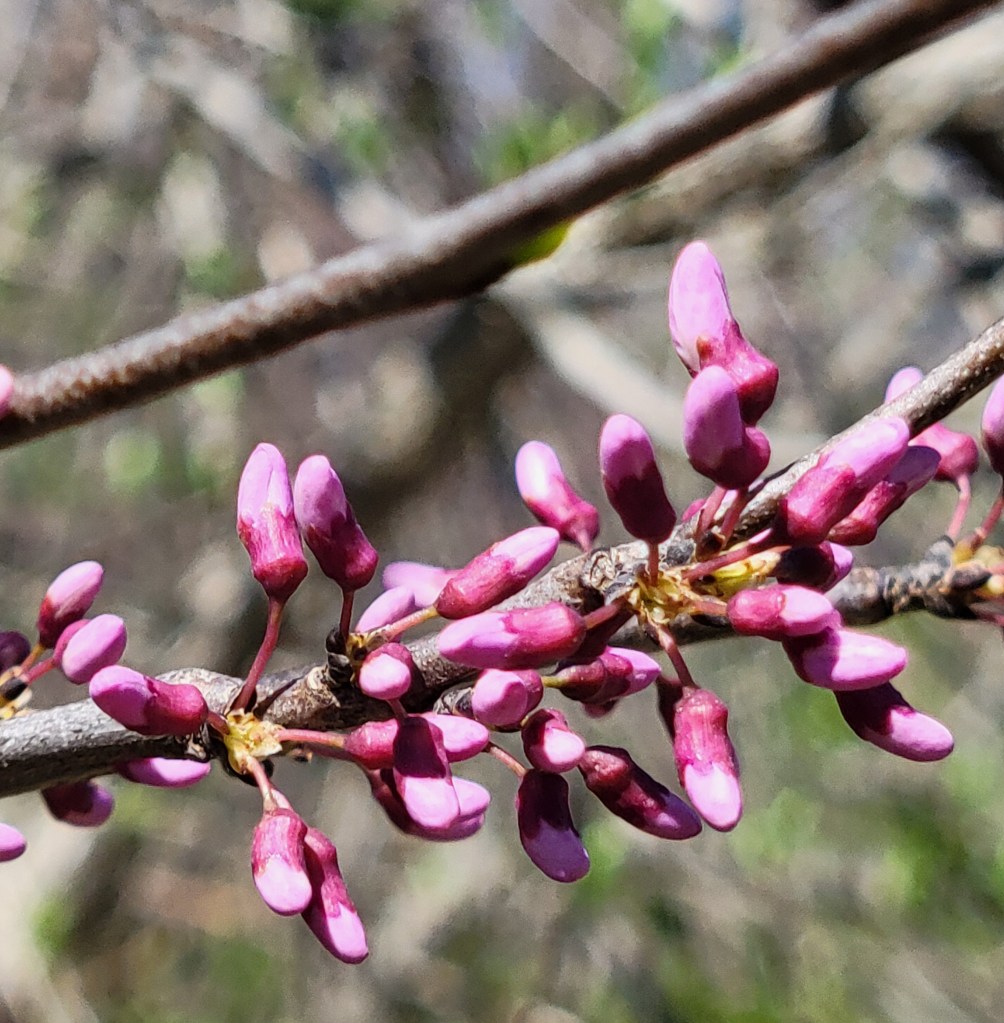
March 1 can be a cold day, but the evidence is clear. The early bird migrants are starting to return, sap is flowing, flower buds on trees are beginning to develop. Many spring changes occur before the equinox.
March 1 is the time to start putting nature notes and photos in a different seasonal list.
SPRING is beginning!
 Eliza Howell Nature Walk
Leave a comment