-
Birch Trees in Eliza Howell Park
Kathleen Garrett
February 9, 2023
A stand of birch trees greets visitors to EHP near the entrance close to the stick sculpture.

Gray birch at entrance to park A couple of other small stands (two or three trees) are nearby along the east edge of the loop with a larger grouping further into the park right next to the road.

Large group of gray birch More groupings appear inside the loop along the south and west sides of the loop. All of these birch trees were intentionally planted in these groupings, and most of these birch are gray birch, with a few groupings of river birch.
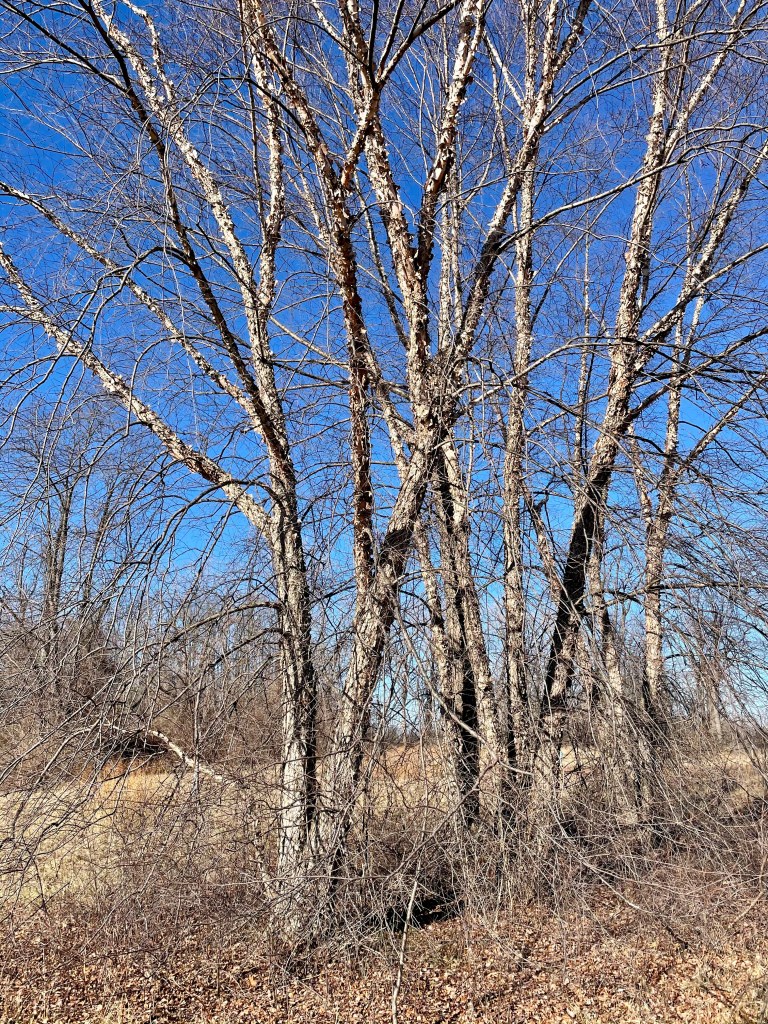
Stand of river birch Both types of birch have several trunks, offering more opportunity to enjoy their beautiful and unusual trunks.
Gray birch have white trunks with dark, triangular marks where the branches begin.

Triangular markings on gray birch Gray birch trunks do not peel in sheets as white (or paper/canoe) birch do. River birch has a very “peely” or shaggy bark and is reddish.
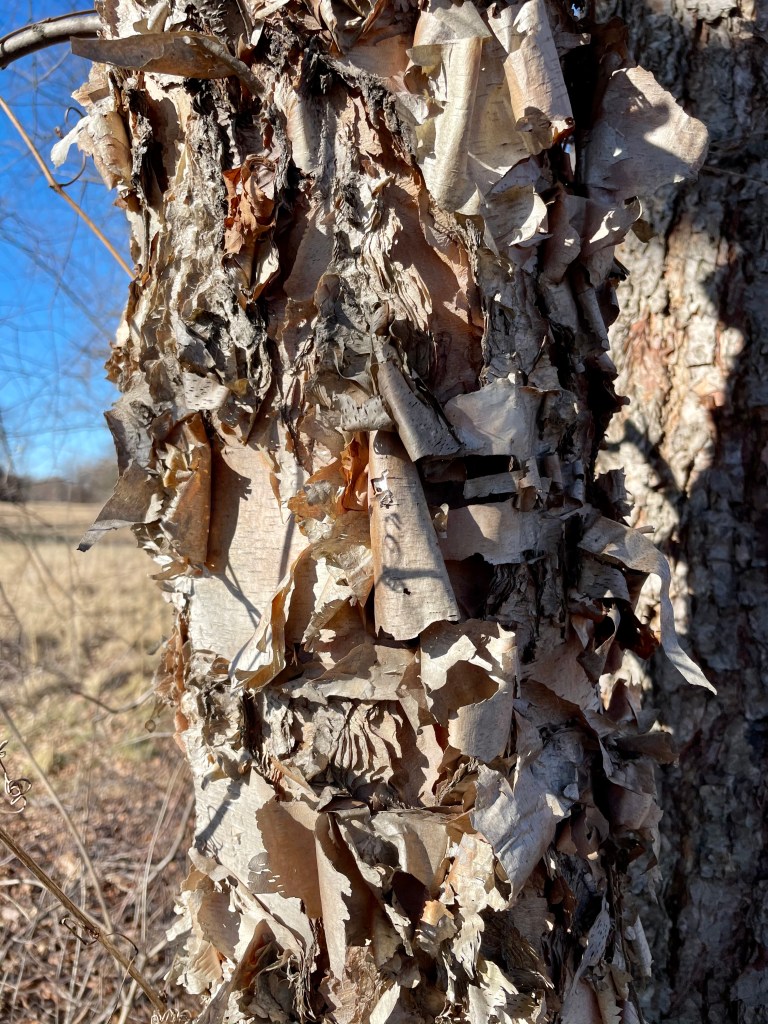
Peeling trunk of river birch The thin, long branches and long-tipped leaves of gray birch readily stir in a breeze where other trees might not. River birch prefer a wet ground and, when left on their own to find a home, are often found near rivers or in wet woods.
Both gray and river birch are native to the East Coast. The names of birch can be tricky, pointing to the necessity of having Latin names: gray birch is also called yellow, white, wire, and aspen-leafed birch. River birch can also be called black, red, and water birch.
Both species grow quickly, but they do not live long – about 20-25 years. While they are around, people aren’t the only ones who benefit. Several species of caterpillars and butterflies rely on birch trees for larval food, and birch tree seeds, held through the winter in catkins, supply food for wintering birds at a time when seeds can be scarce.

Catkins on gray birch 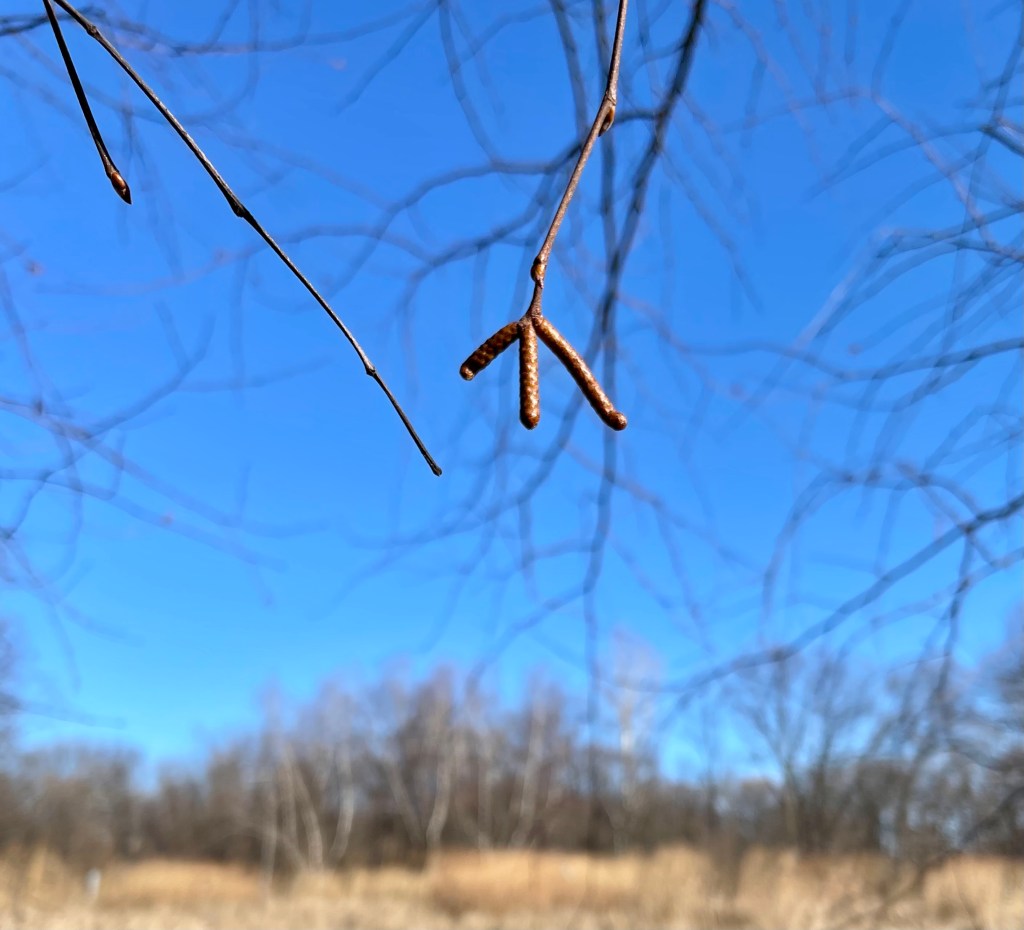
Catkins on river birch At one spot at Eliza Howell Park, rather than a three, five, or seven group of either gray or river birch, there is just one gray and one river birch.
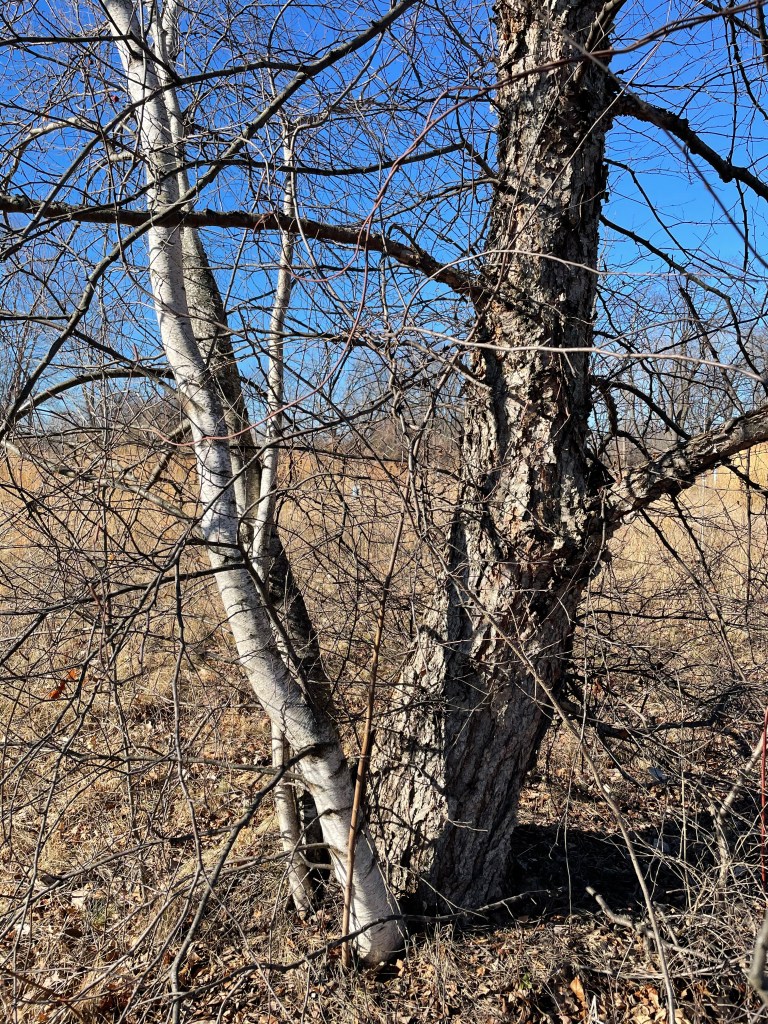
One gray birch, one river birch Perhaps they had their own ideas about what would be most appealing.
-
Viceroy: # 5 of “23 Butterflies in 2023”
Leonard Weber
February 7, 2023
Because it looks so much like the more famous Monarch, the Viceroy may be the most misidentified butterfly regularly seen in Eliza Howell Park. (For photos of Monarch, please see # 4.)
The Viceroy is black and orange, with white spots. With a wingspan of about 3 inches, it is a little smaller than the Monarch.

On Purple Coneflower 
On Wild Bergamot The curved black line across the Viceroy’s hindwing is probably the easiest way to distinguish it from the Monarch.

Top: Monarch; Bottom: Viceroy The Viceroy is frequently found quite close to water. It lays eggs on the leaves of willow family trees (like willows, poplars, cottonwoods) and survives the winter in the caterpillar stage.
There are typically two broods a year, with the second one more likely to come to flowers for nectar. I often see them on flowers in July and August, especially in July.

On Coneflower in July 
On Wild Bergamot in July 
In Queen Anne’s Lace in July The Viceroy has long been considered a mimic of the Monarch, gaining protection from predators by imitating the Monarch (which is avoided by most birds because it is so distasteful). More recent research has shown that the Viceroy has its own toxicity. Perhaps the Monarch benefits as a Viceroy mimic.
As one gets to know the Viceroy, it becomes easier to recognize other differences, such as the flight, which is faster than the Monarch. It is also more likely to hold its wings flat.

At times the most distinctive mark, the dark line across the wings, is weak or absent, making it even more difficult to identify.

The Monarch gets the attention and the fame, but the Viceroy is also high on the list of lovely and photogenic Eliza Howell Park butterflies.
-
Monarch: # 4 of “23 Butterflies in 2023”
Leonard Weber
February 3, 2023
Monarch, probably the best known of all North American buterflues, is common in Eliza Howell Park. It is present from mid/late May until late September

On Purple Coneflower in July A nectaring butterfly, it is attracted to a variety of flowers, providing good views of it, both when the wings are closed and when the wings are open.

On New England Aster in September The Monarch is famous for its annual long-distance migration. The above butterfly, looking like a newly emerged adult on September 11 last year, was about to leave on its long, long flight to Mexico for the winter.
The individuals that leave here in the Fall do not return in the Spring. It is the next generation, having never been here before, that arrives in May.

On Red Clover in June Monarch is also well known for its relationship to milkweed plants. It lays its eggs only on different species of milkweed; the caterpillars eat only milkweed leaves; and the chemicals derived from the plants make both the caterpillars and adult butterflies very distasteful to birds, an important protection.
Three different species of milkweed grow in Eliza Howell Park: Common Milkweed, Swamp Milkweed, and Butterfly Weed.
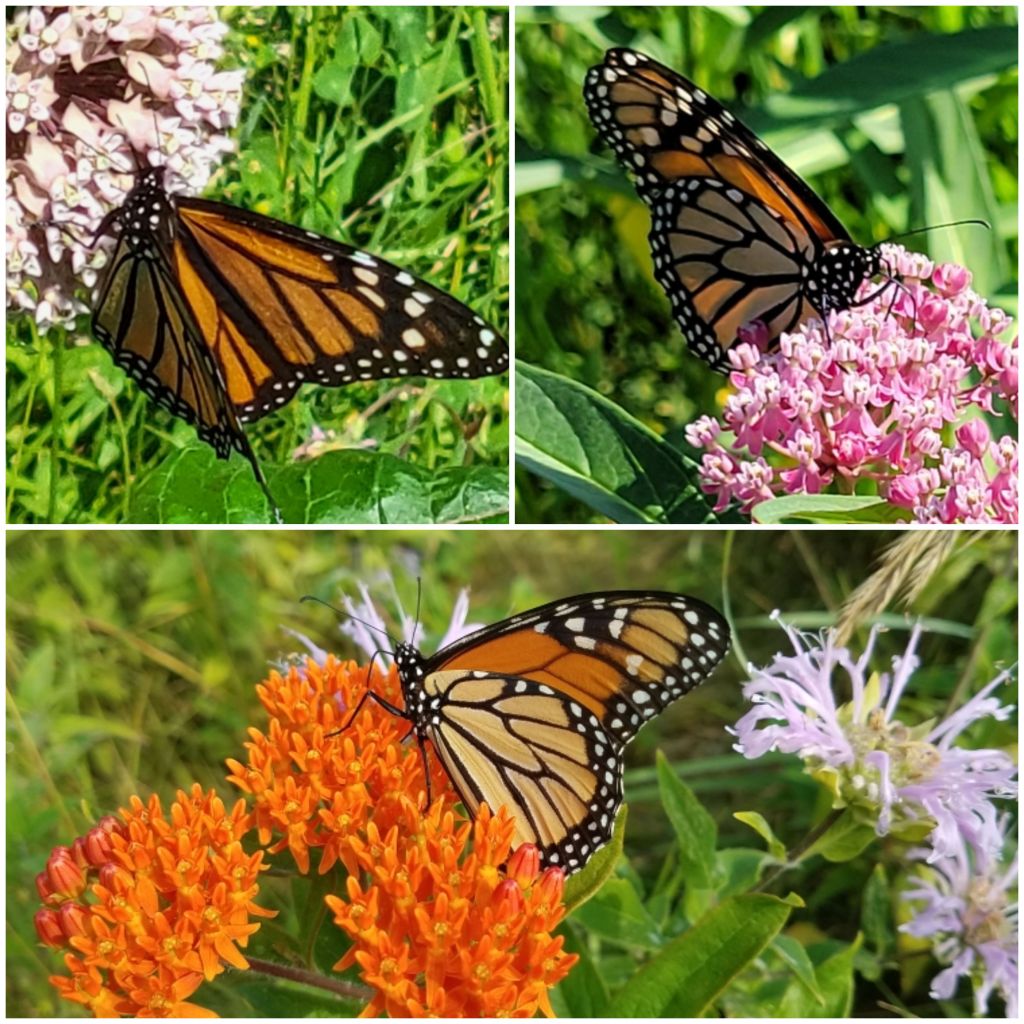
Top left: on Common Milkweed: right: on Swamp Milkweed; bottom: on Butterfly Weed The Monarch is quite large, with a wingspan of about 4 inches. Its size, its bright colors, its numbers, its 4-month-plus presence, its attraction to many different flowers all make it a butterfly easy to find on visits to the park.

On Ironweed in August 
On Butterfly Weed in June Perhaps because Monarchs are so often talked about, there can be a tendency for someone learning about butterflies to identify other orange and black butterflies as Monarchs. The next butterfly in this series is a different species that looks very much like a Monarch.
-
After the Snowfall: Images from a Walk in the Park
Leonard Weber
January 26, 2023
The snowfall in Detroit on January 25 was heavy in both senses: 1) it added up to several inches, and 2) it was a wet snow, weighty on a shovel and sticking to surfaces.
Here are some images from my next-day nature walk in Eliza Howell Park.

Looking downstream from the footbridge 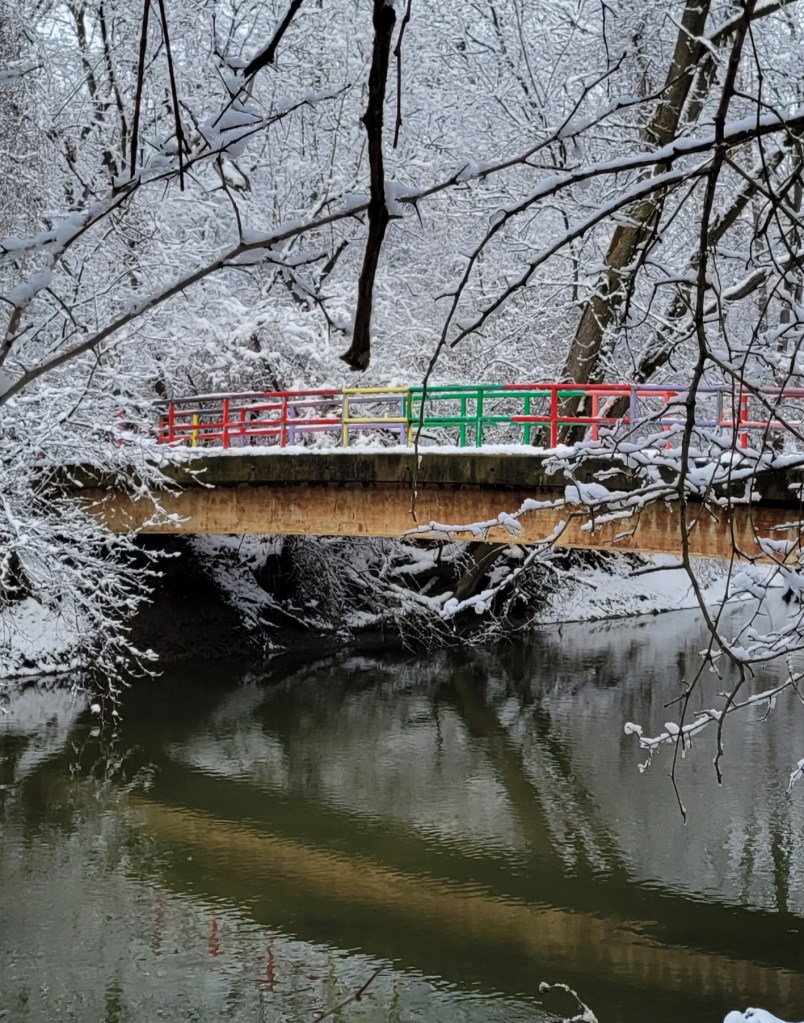
The footbridge 
The path in the woods 
Raccoon tracks 
Winter Creeper 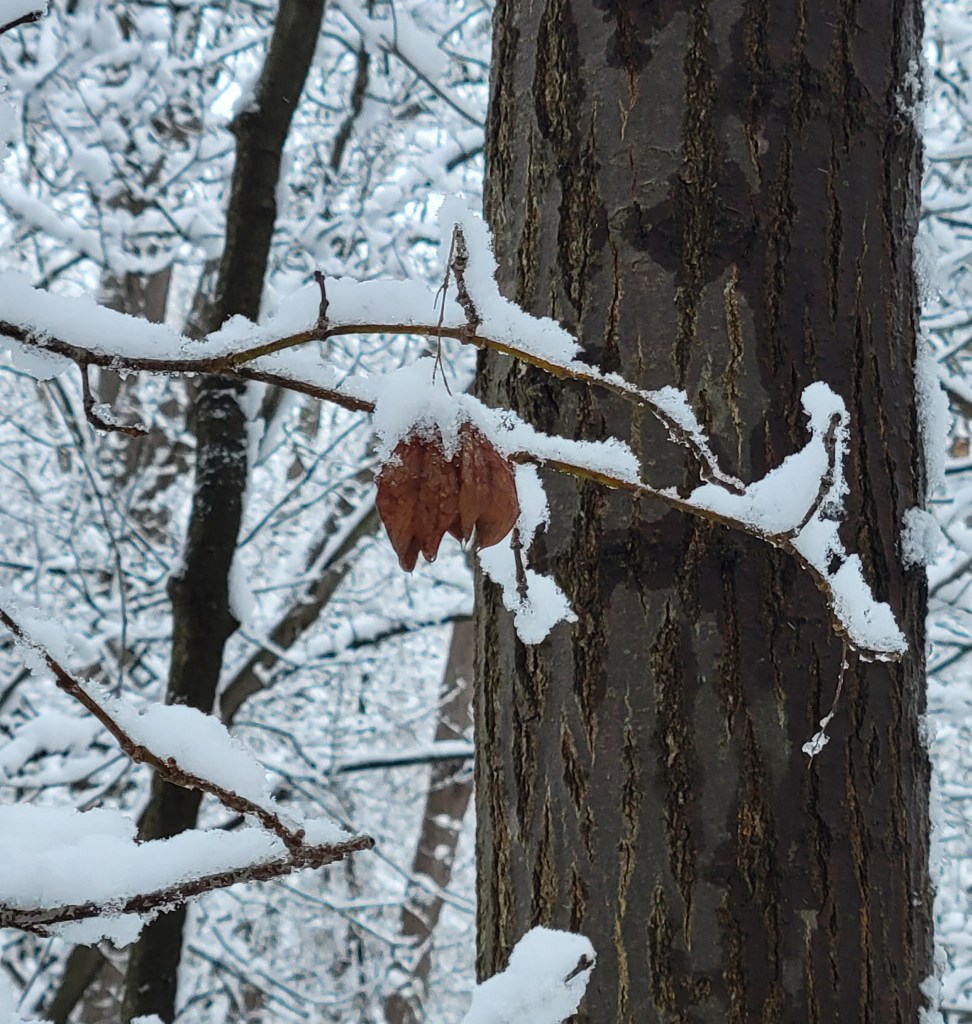
Bladdernuts 
Staghorn Sumac seed cluster 
A path not taken 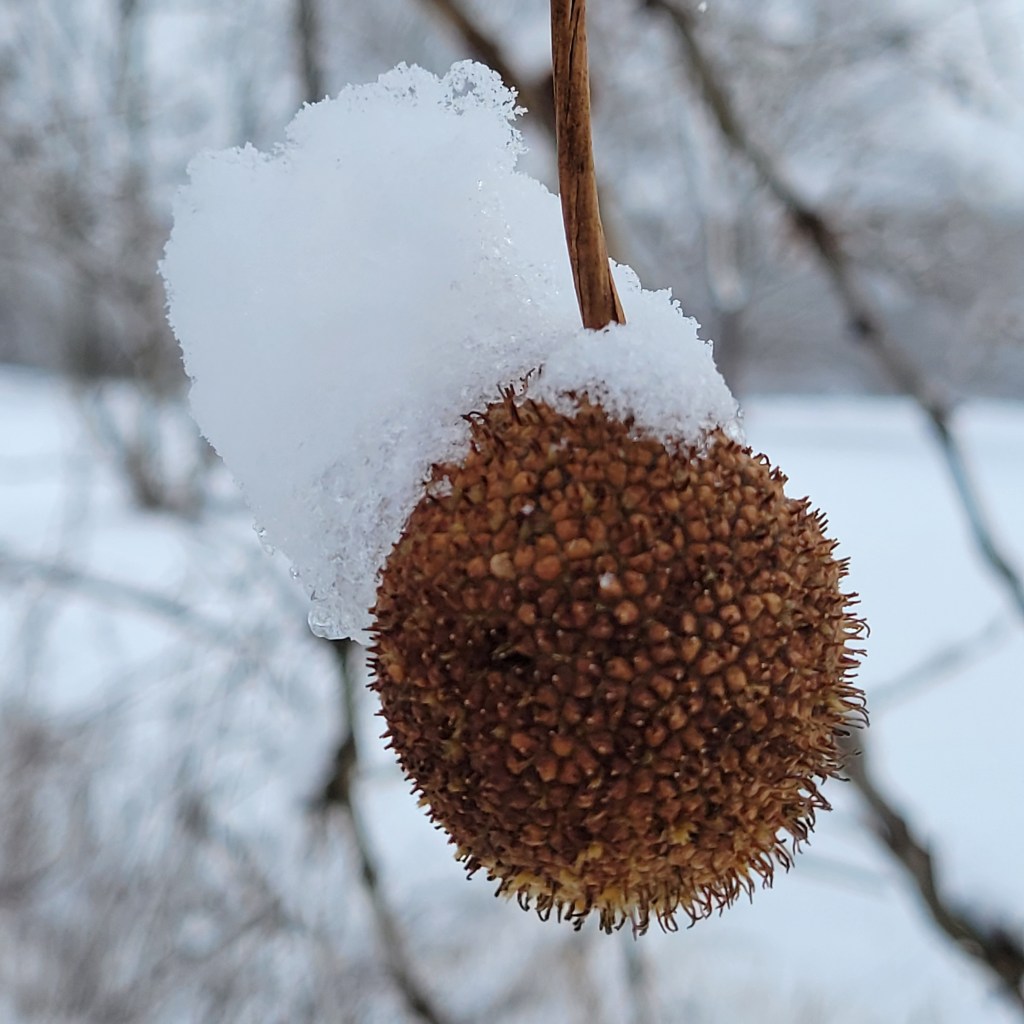
Sycamore seed ball 
Looking up -
Silver-spotted Skipper: #2 of “23 Butterflies in 2023”
Leonard Weber
January 22, 2023
The species selected for the second in this series on butterflies of Eliza Howell Park is the Silver-spotted Skipper. It is quite common in the park, frequently seen here from the middle of June to the middle of August.

On Wild Bergamot The Silver-spotted Skipper is large for a skipper, the largest skipper in our area, with a wingspan of about 2 inches. There are over 200 different skippers in North America, many of which are similar in appearance and very difficult to tell apart. The Silver-spotted is different, quite easy to identify because of the orange and white (silver?) patches.
It frequents flowers for nectar.

On Red Clover It seems to be attracted to flowers at the edge of the forest, which is where the best wildflower field is located in the park. I often see it nectaring on Wild Bergamot flowers, which are plentiful in this flower field in late June and in July.


Silver-spotted Skipper is active over a large part of the country, more common in the East.

Kaufman Field Guide to Butterflies of North America Though frequently seen nectaring, it is also sometimes found perching on grasses and leaves.
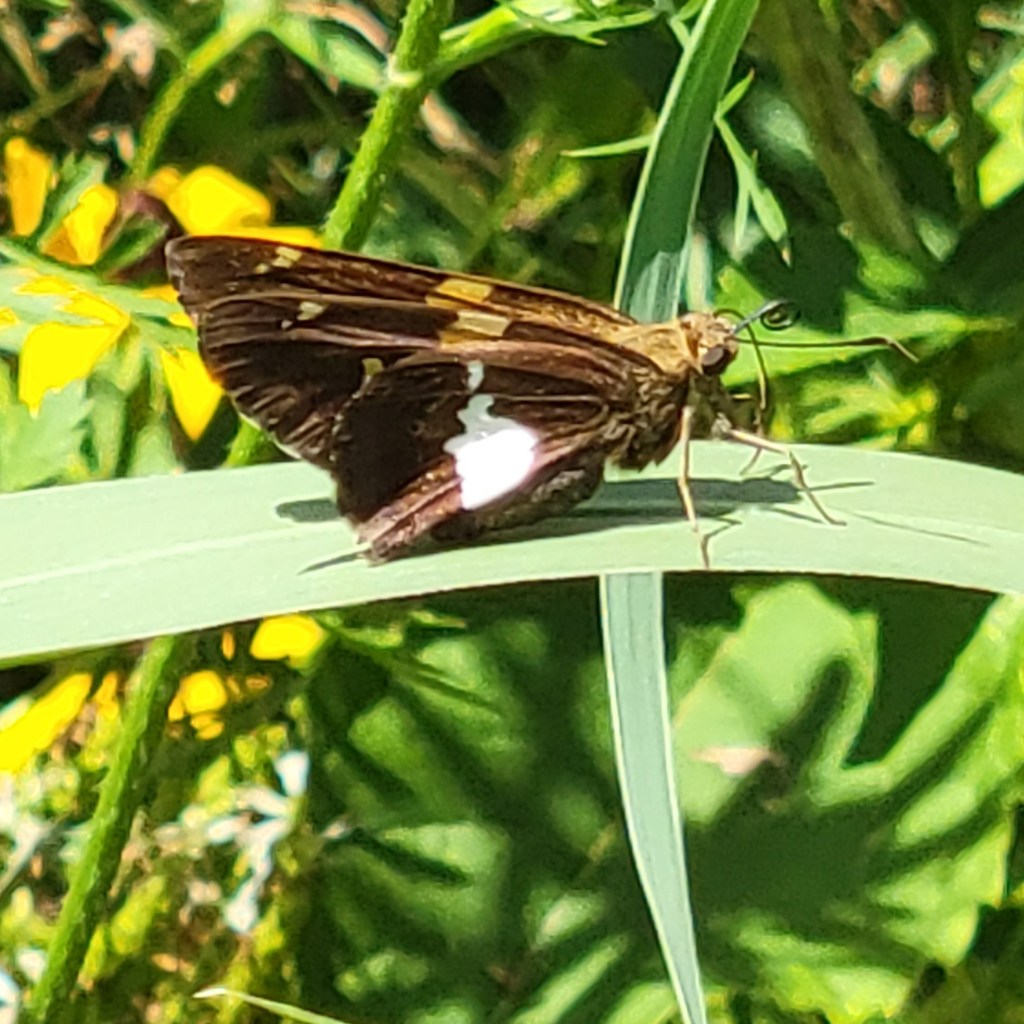
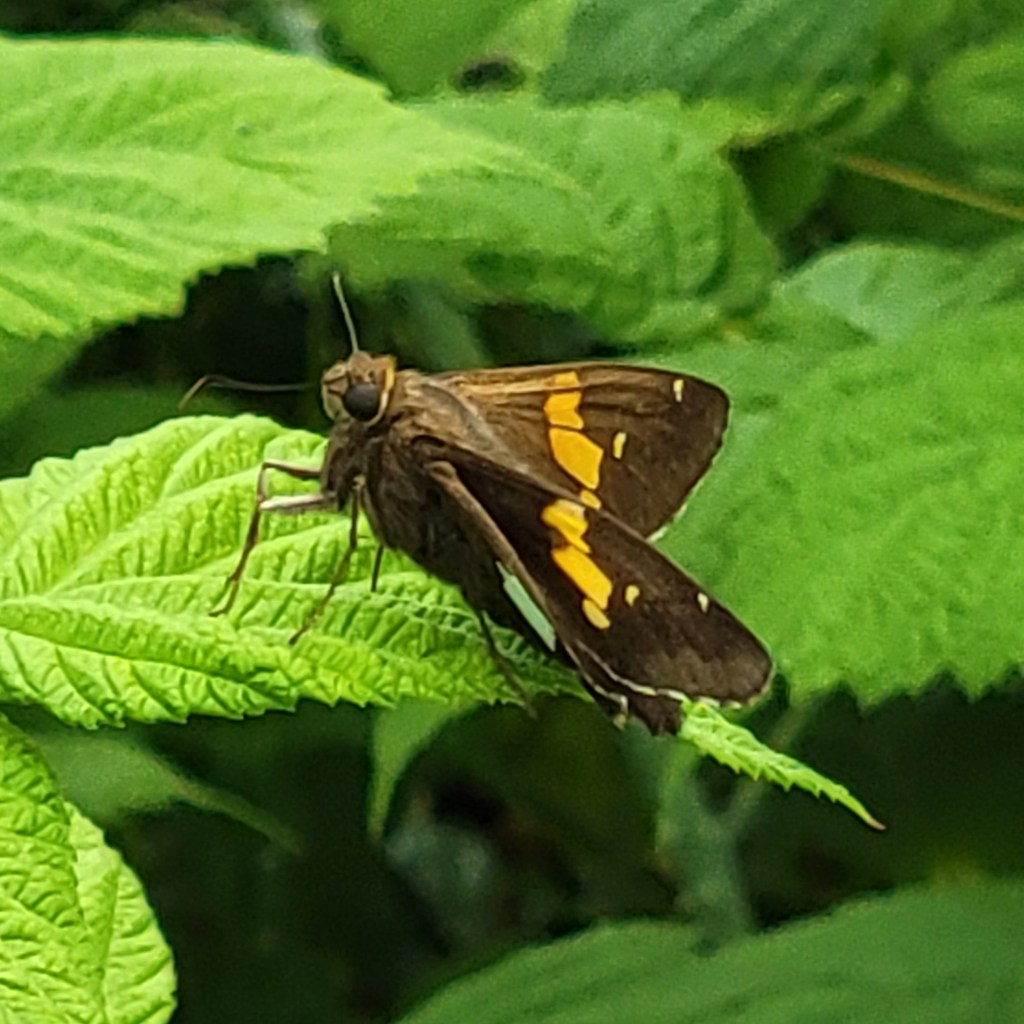
The Silver-spotted Skipper spends the winter as a caterpillar, with the chrysalis stage in the spring. The earliest I have seen an adult is mid-May, with June being the usual time.
A favorite August photo is this one.
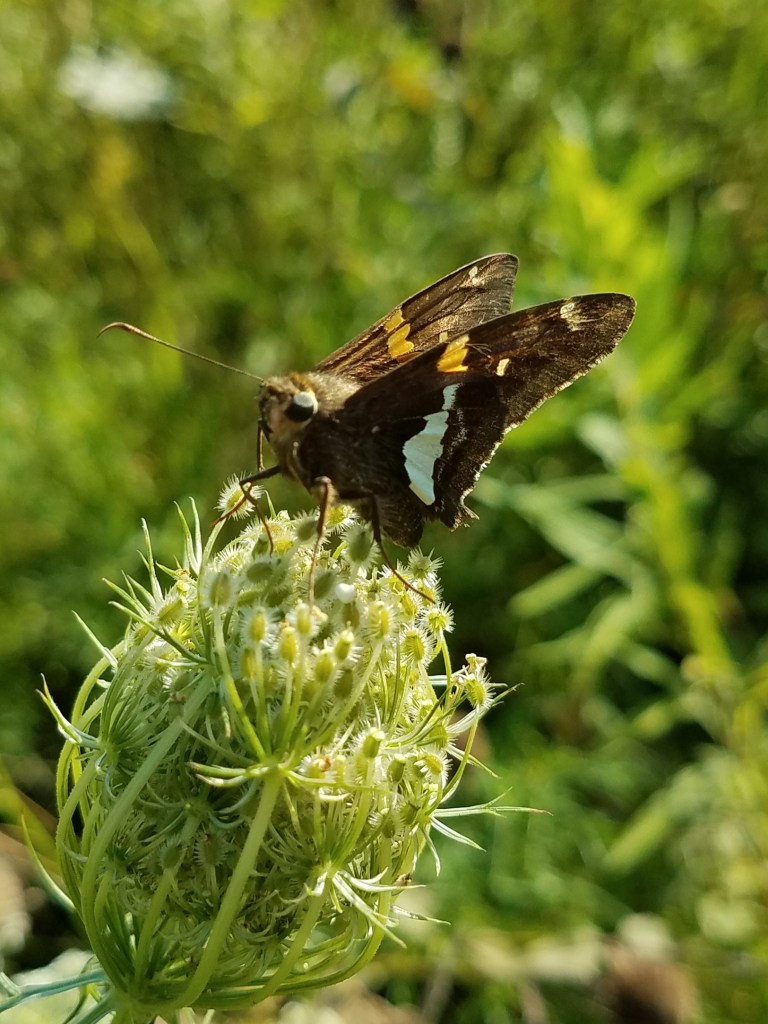
On Queen Anne’s Lace There are many attractive butterflies found in Eliza Howell Park, as this series will show. This is one that a visitor has an excellent chance of seeing on any day (on any non-rainy day after mid-morning) during their season.
-
American Lady: # 1 of “23 Butterflies in 2023”
Leonard Weber
January 16, 2023
Since Eliza Howell Park in Detroit is slowly getting recognized as a great place to see butterflies, this might be a good year to highlight some of the butterflies that can be found here, presenting them one species at a time.
It’s a long time until butterfly season in Michigan, but an early start is needed to include 23 species this year.
First in this series is American Lady.
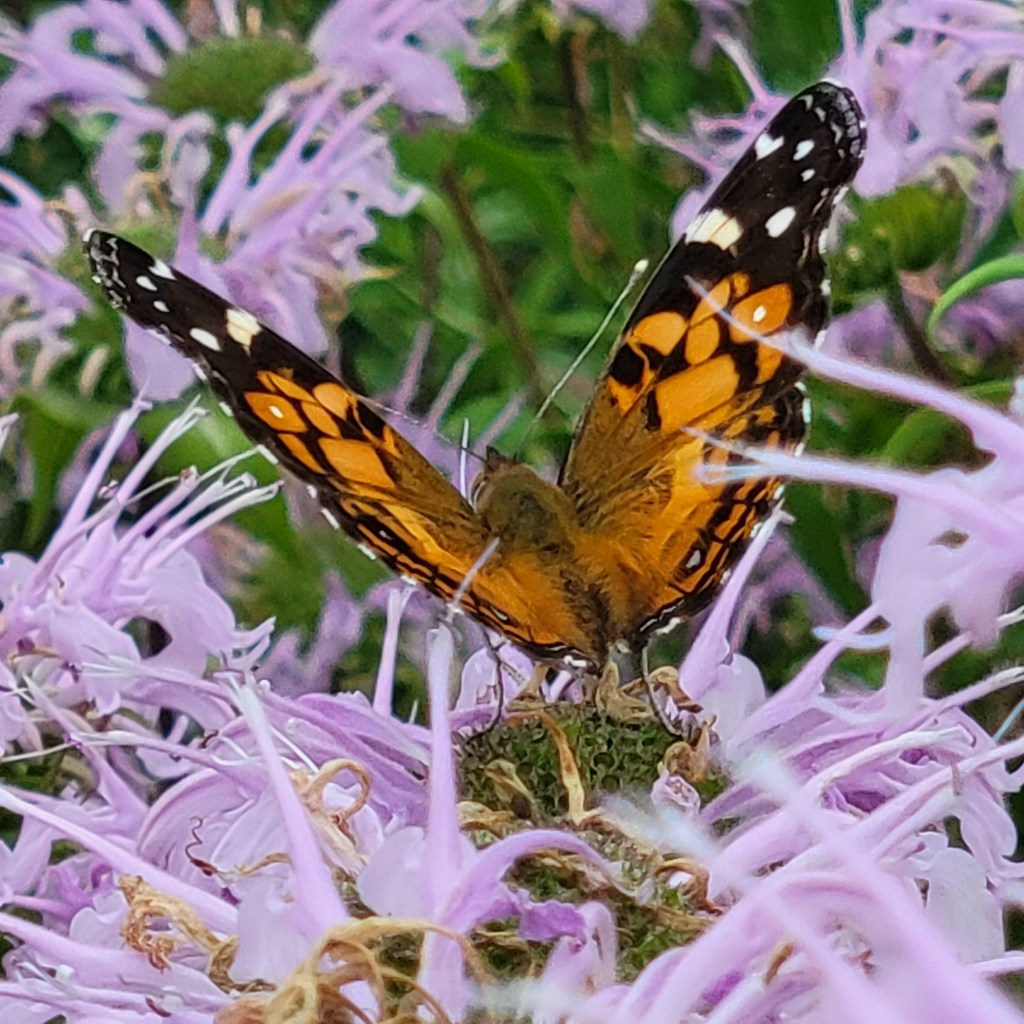
On Wild Bergamot American Lady is a medium-sized butterfly, with a wingspan of about 2 inches. It is present among the blooming flowers from mid-May through July, feeding on nectar. It is not exactly common, but it is definitely not rare. In Eliza Howell, I see them most frequently in July.
American Lady is striking, both with wings open and wings closed. The underwings, with the two eyespots and a pattern similar to a spider web, always catch my attention.

On Red Clover 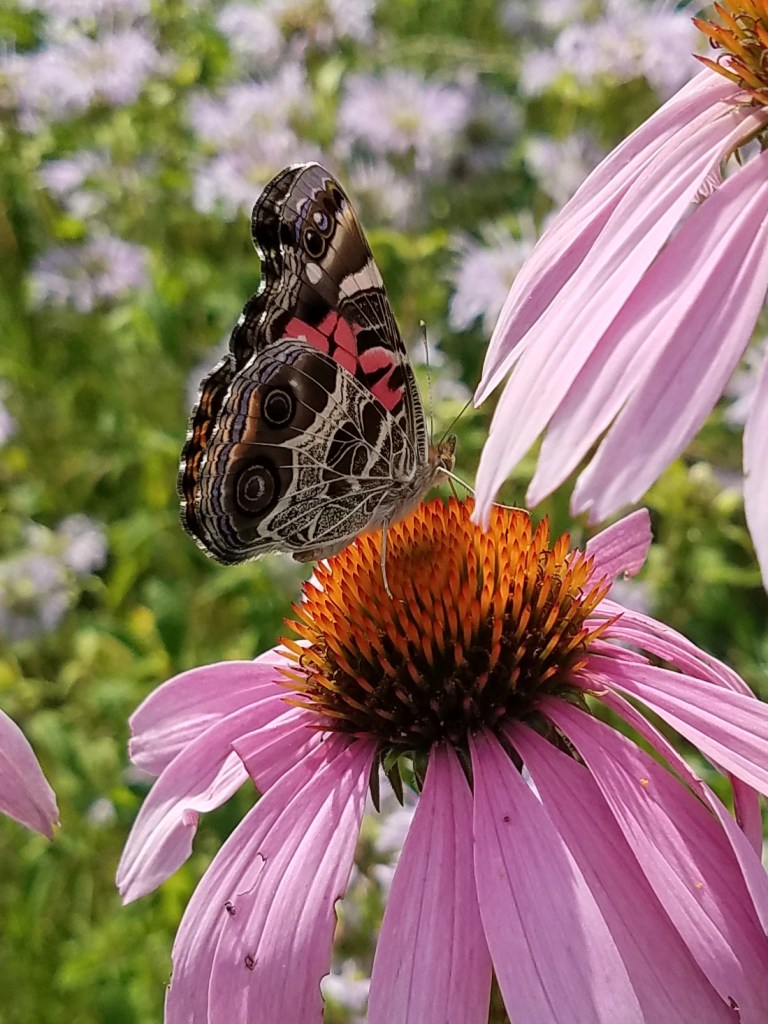
On Purple Coneflower American Lady is found in much of the United States. It is unable to survive as an adult in the winter in the northern parts of its range. At least part of the early-season northern population results from a northward spring migration from southern states.
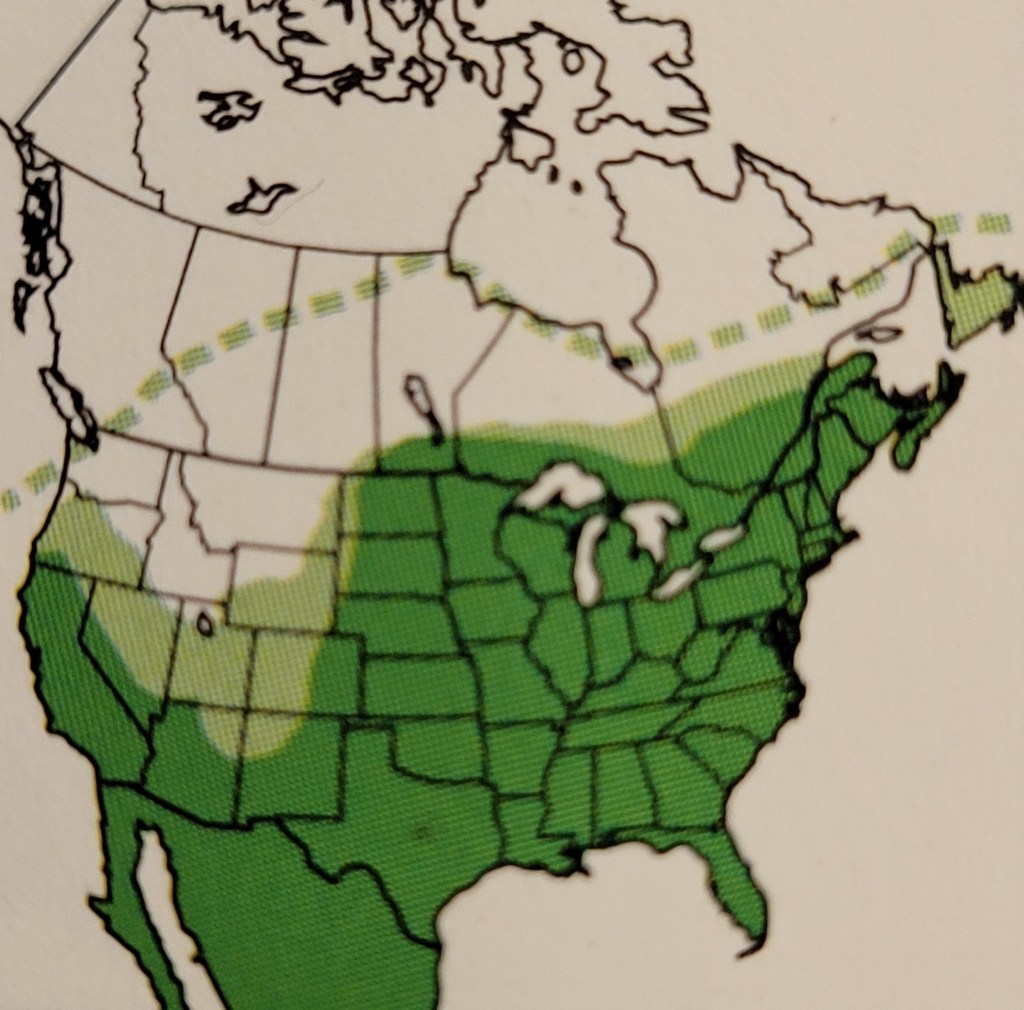
Kaufman Field Guide to Butterflies
of North AmericaAmerican Ladies are attracted to a variety of flowers in the park; the three included here are among their favorites. In July, there is a good chance of getting a good look at an American Lady by standing quietly by a patch of Purple Coneflowers.
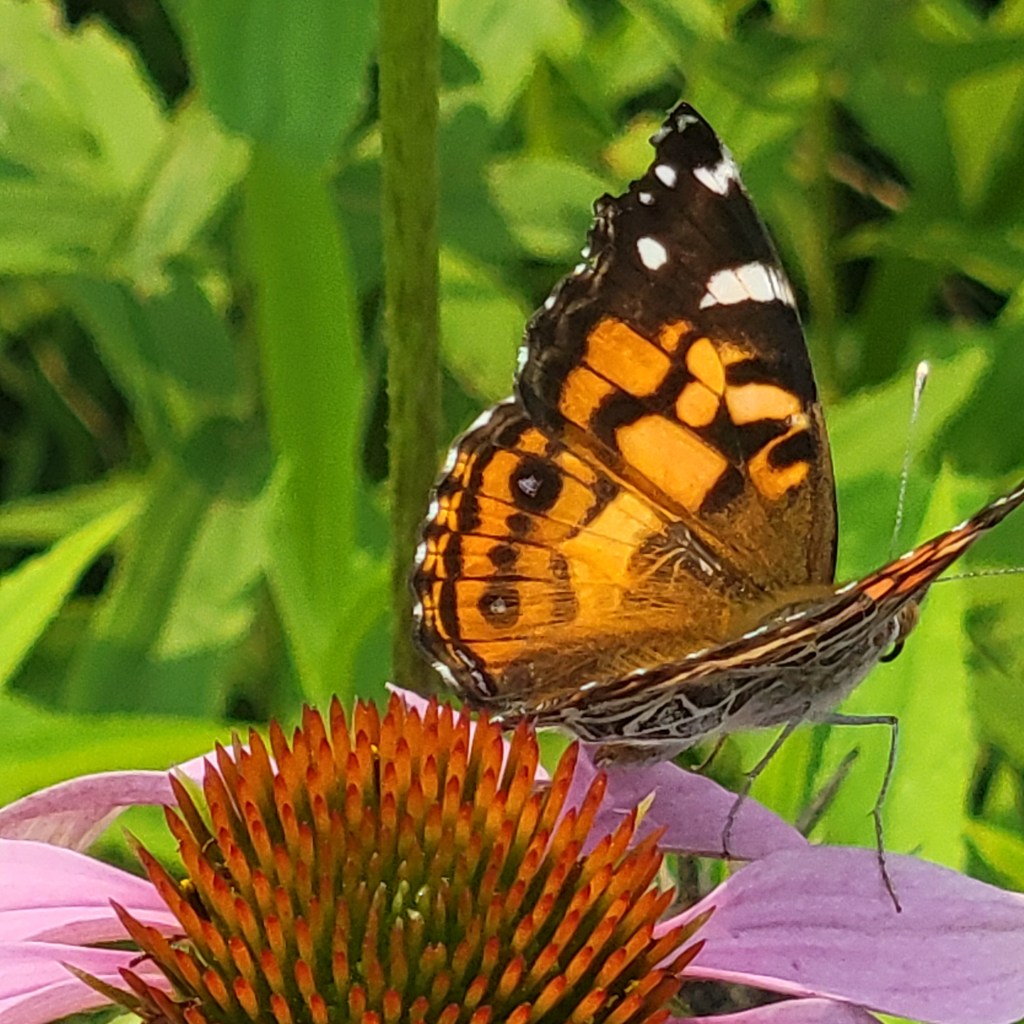
On Purple Coneflower Earlier in the season, before the coneflowers bloom, Red Clover is a favorite.
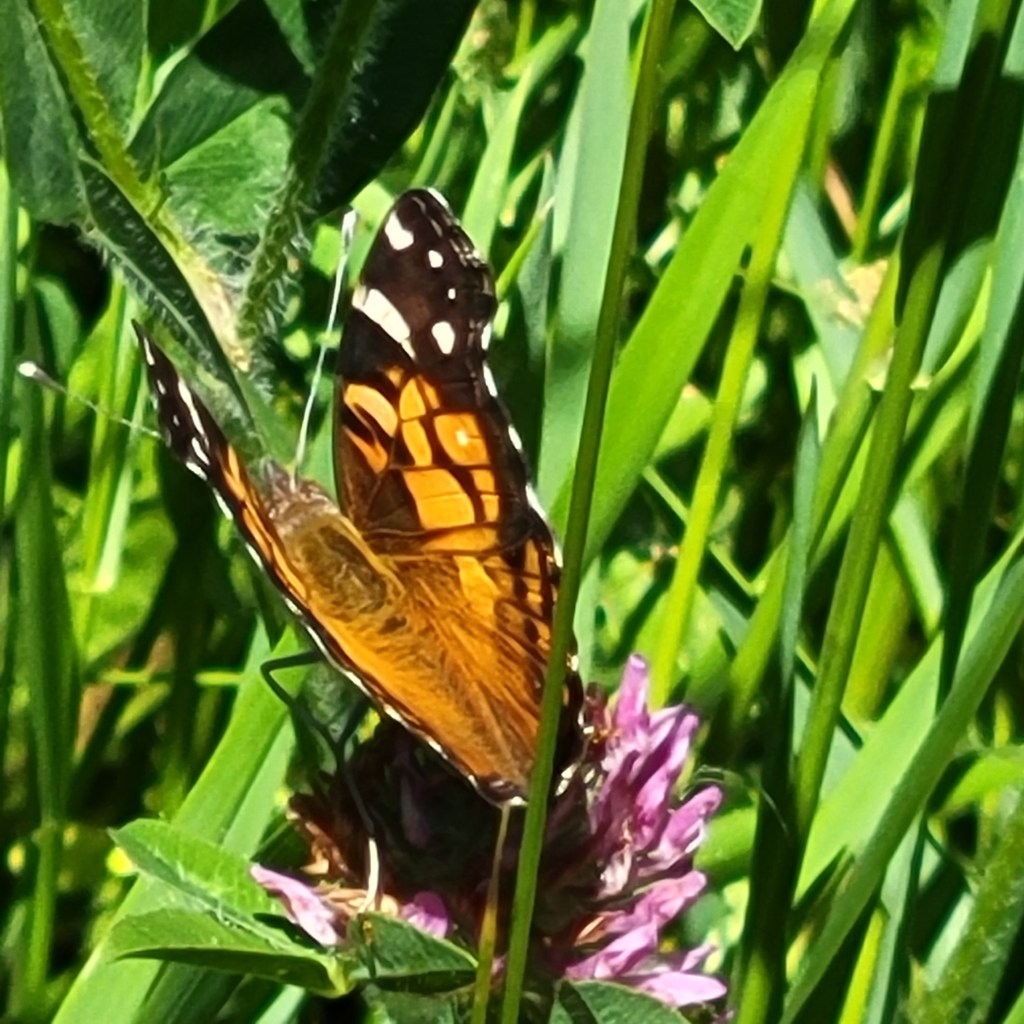
On Red Clover American Lady is neither rare nor well known. It is a great find, however, fascinating to watch. If someone has never met an American Lady, this might be the year to find the opportunity to see one.
……….
The “23 Butterflies in 2023” series is not intended to include all the species sometimes found in the park.There are probably another 20 species that can be seen occasionally. It is, however, intended to highlight those most likely to be noticed by park visitors seeking butterflies.
All photos included in the series are from Eliza Howell Park and, unless otherwise indicated, were taken by the author.
-
Colorful Winter Mushrooms
Leonard Weber
January 10, 2023
They are small and, at this time of the year, they lead to pleasant stops on nature walks in Eliza Howell Park. They are mushrooms, found on dead wood, that just started fruiting or remained fresh-looking as December ended and January began.
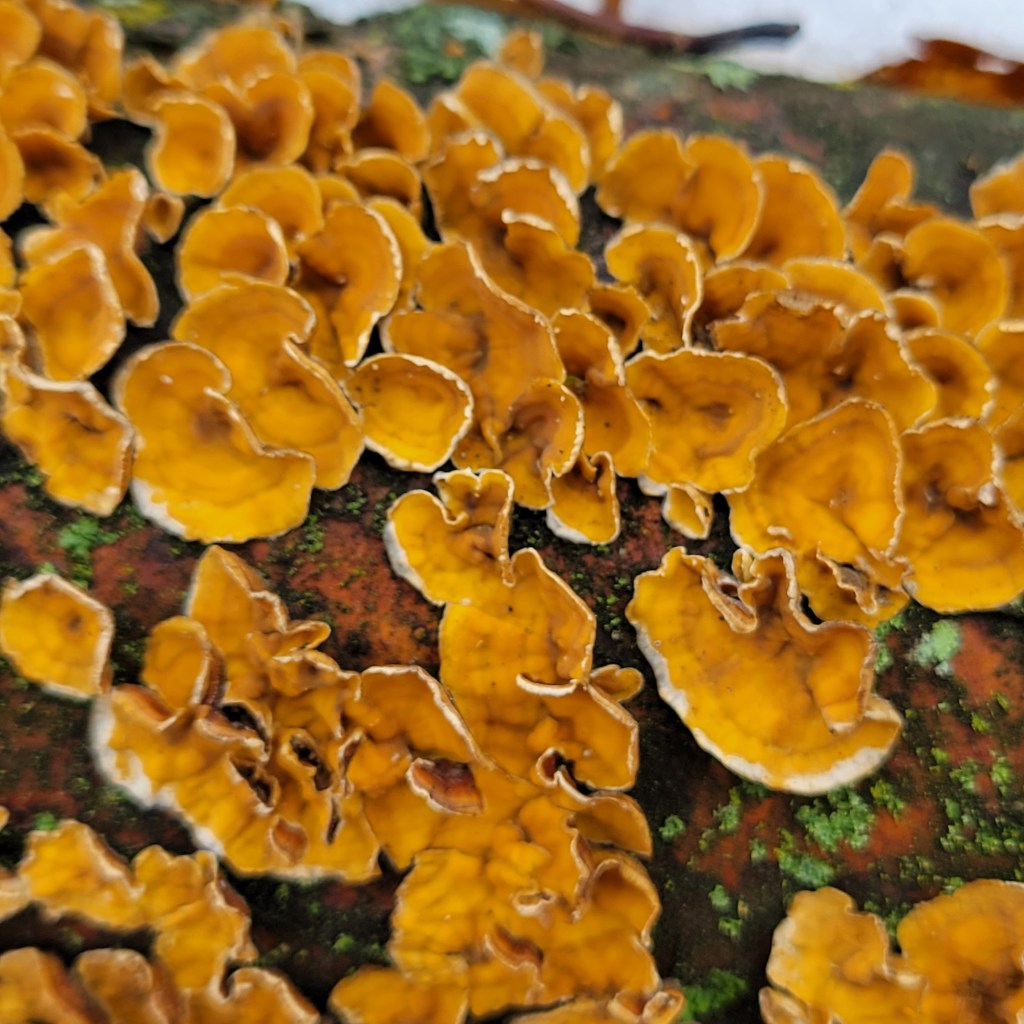
One of these is called Crowded Parchment.

This fallen oak branch is slender, but it was bright enough to be seen from a distance on December 29. It invited close-up views.

Many fallen logs and branches that retain their bark are home to multicolored shelf fungi from the Fall into the Winter. These can be found over a number of weeks..
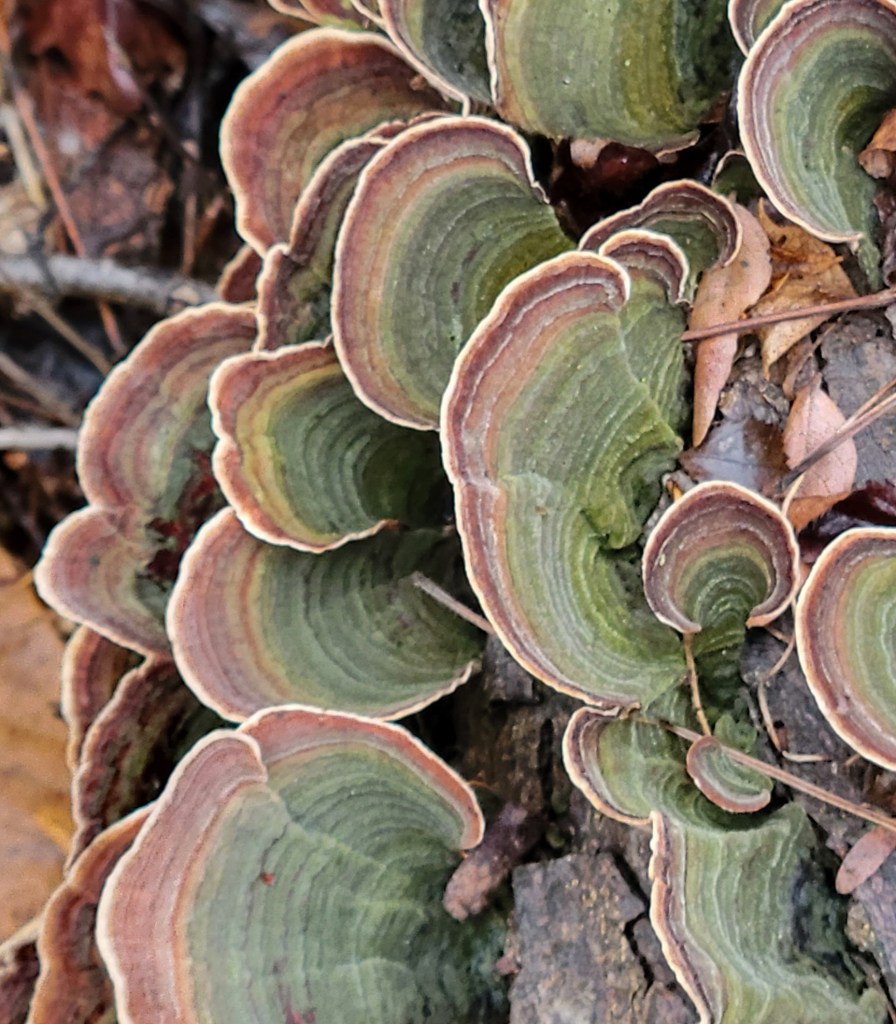


These sorts of mushrooms are usually referred to Turkey Tail (because of the flat, fan-shaped, multicolored appearance), even though some might be Fals Turkey Tail or possibly even something else.

One mushroom that is truly a Winter mushroom (more of them may still appear later this month) is often found low on a standing dead tree or stump. It is known as Velvet Foot.
(I thank Kathleen Garrett for calling my attention to these, photographed on January 10.)

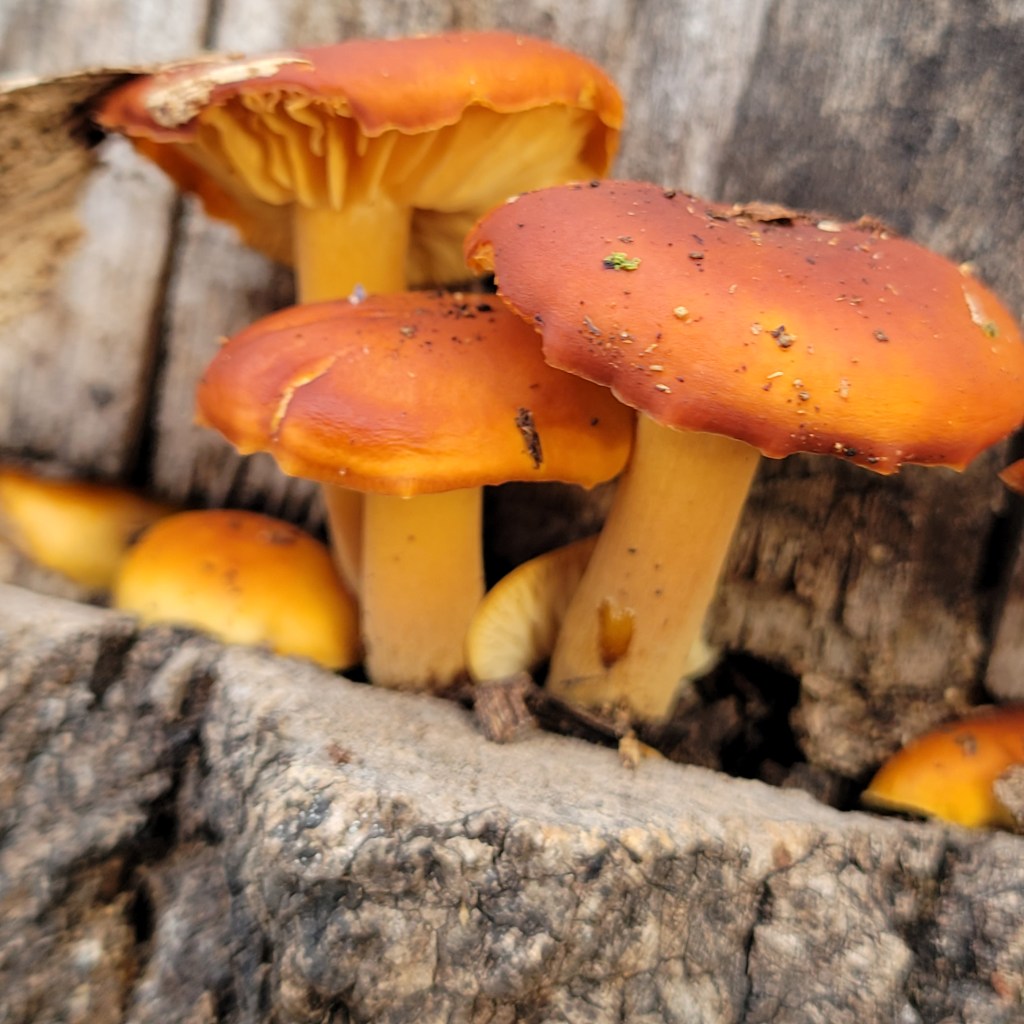

There was point in time, not too many years ago, when I thought that the last of the colorful mushrooms each year were to be seen in the Fall. I know now that this is definitely not the reality.
-
Birds of Eliza Howell Park: Another Year Begins
Leonard Weber
January 3, 2023
At the beginning of a new year, I often review some of the records of my Eliza Howell Park observations. Recently, I have been checking the records of bird sightings.
January 2023 is the beginning of Bird Record Year 19. In 2022, I saw 117 different species, typical of the number I have been seeing each year.
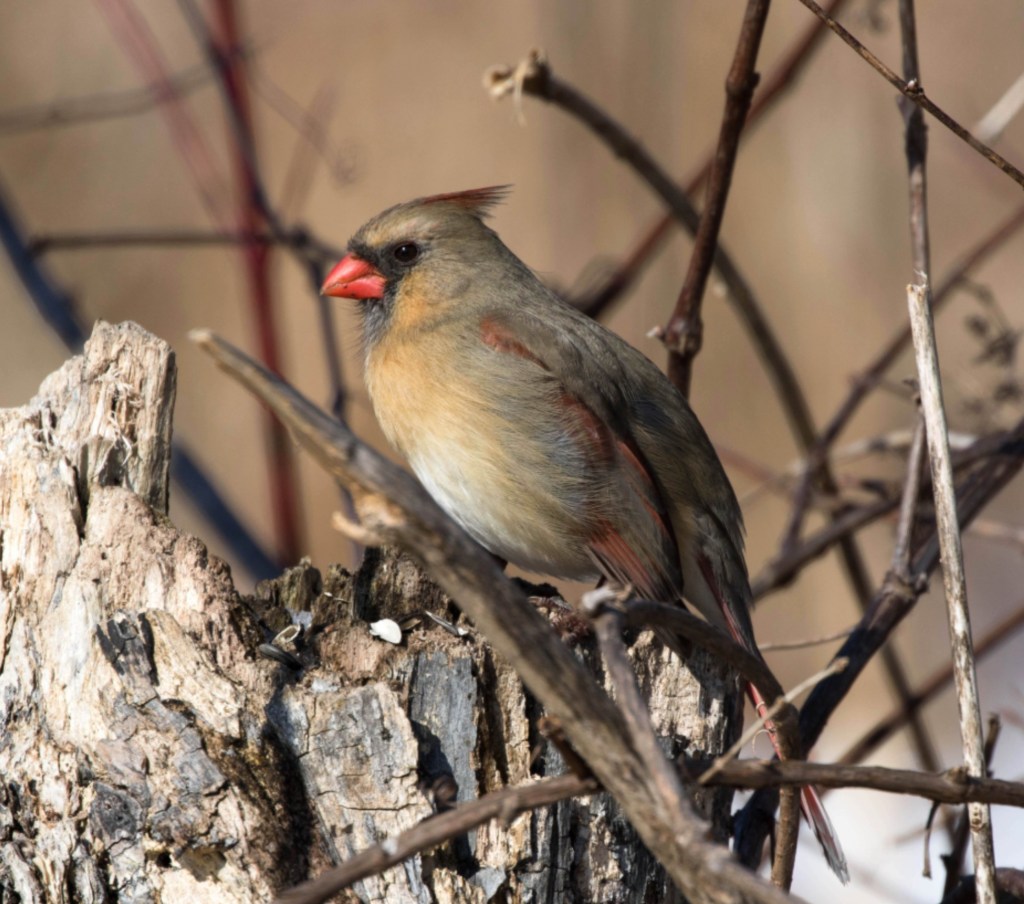
Photo by Margaret Weber One of the January regulars is the Northern Cardinal (a female is shown here). Cardinals are among the twenty plus species that are found year-round in the park, usually recorded every month of every year.
Other year-round Eliza Howell residents include Red-tailed Hawk and Downy Woodpecker.
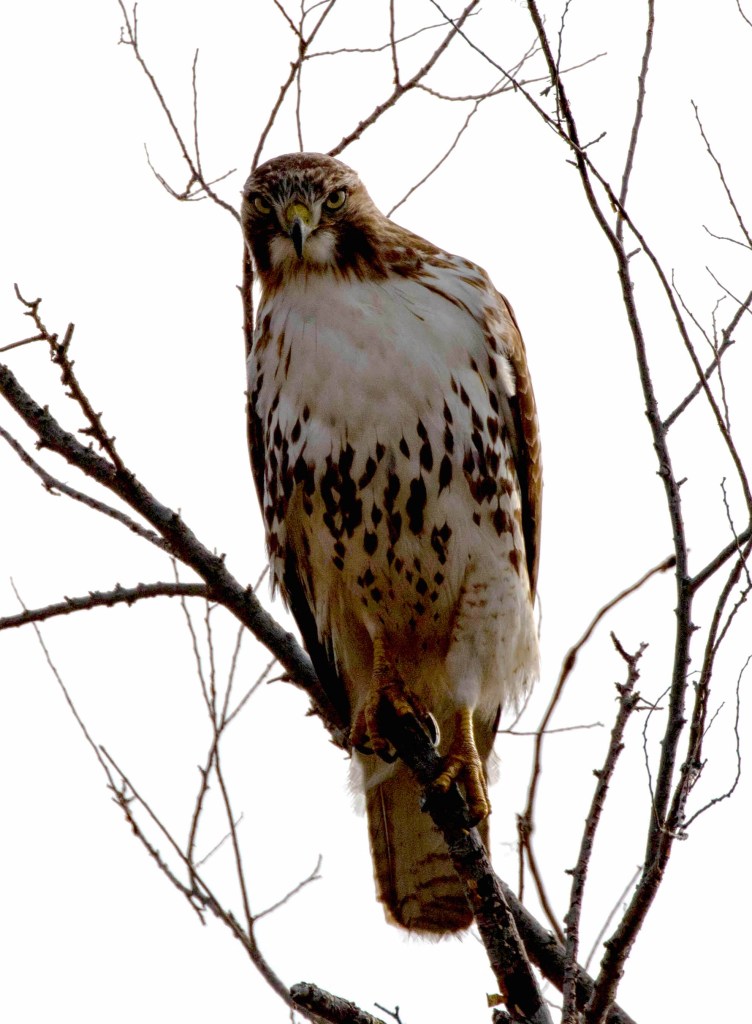
Photo by Margaret Weber 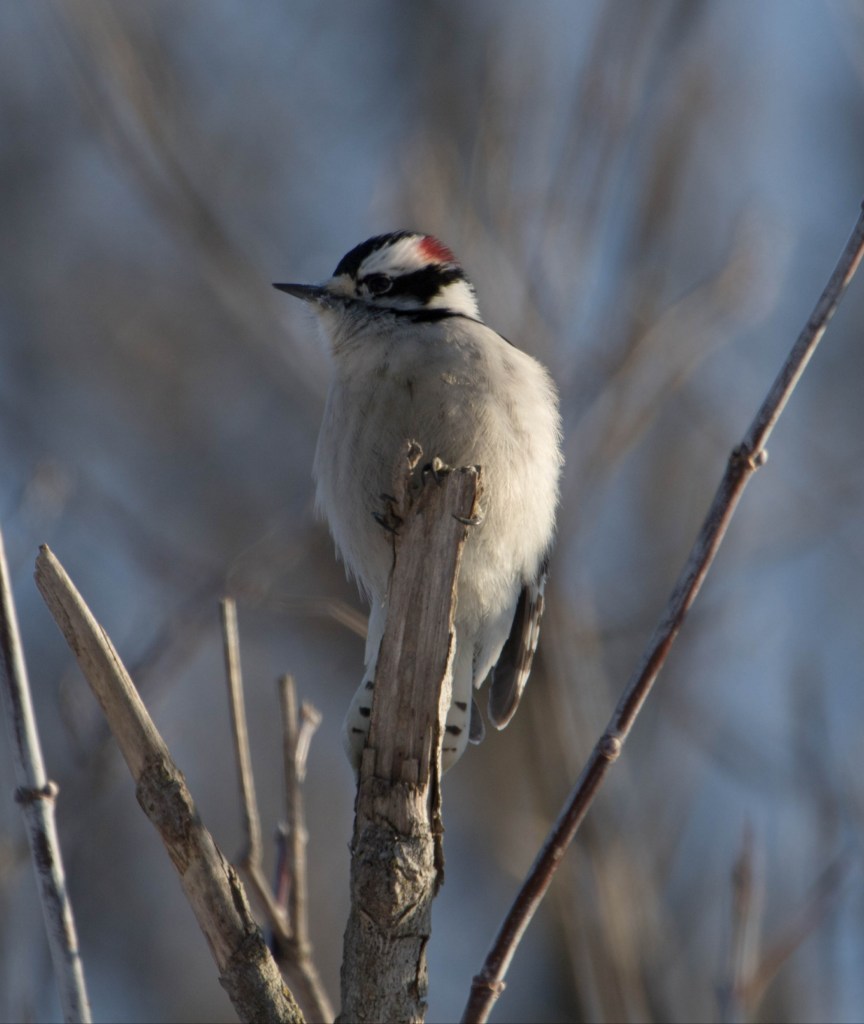
Photo by Margaret Weber The year-round birds are joined in the Winter by a very limited number of species of northern birds that spend their Winters here, southern Michigan being south for them.
The American Tree Sparrow is one of these, in good numbers so far this month, foraging for seeds in the wildflower fields.
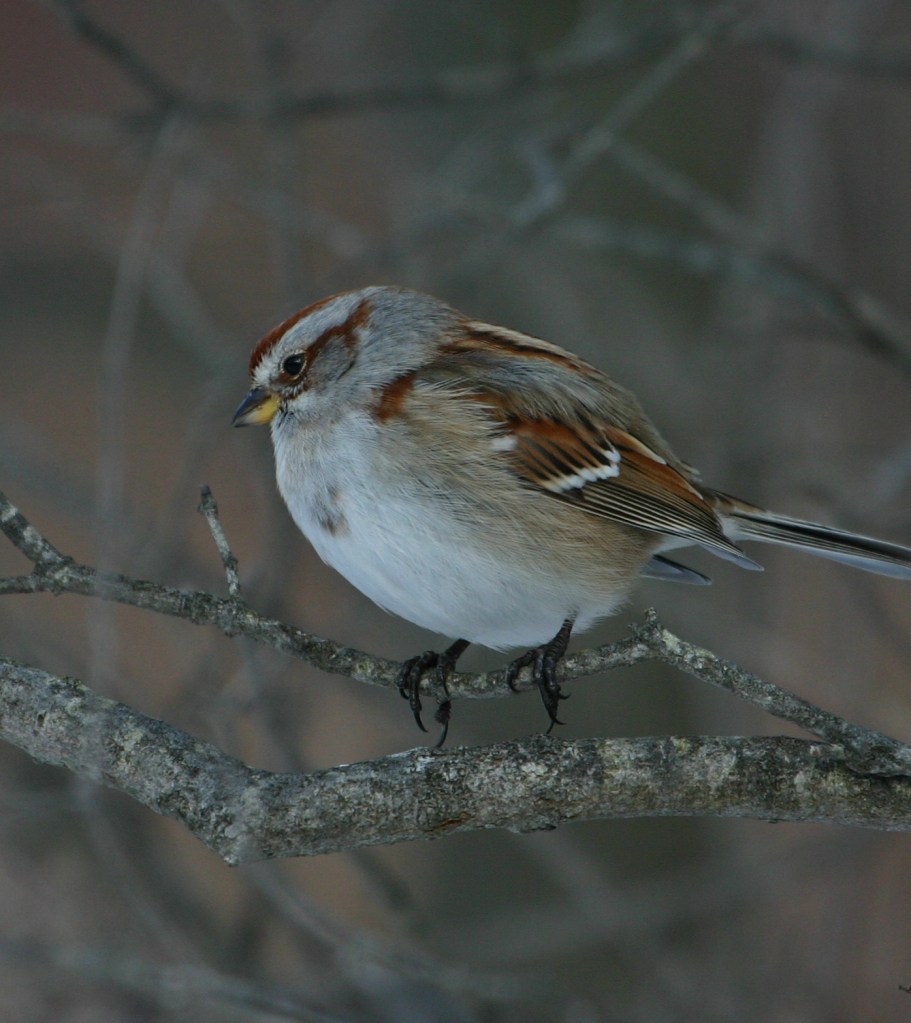
Photo by Margaret Weber The Winter months of December, January, and February have, as expected, the lowest number of species each year, usually fewer than 30 per month.
Things begin to change in March, when the earliest-arriving Summer residents begin to show up. The Killdeer is always one of these March arrivals.

Photo by Margaret Weber Another early-returning Summer resident is the Wood Duck.
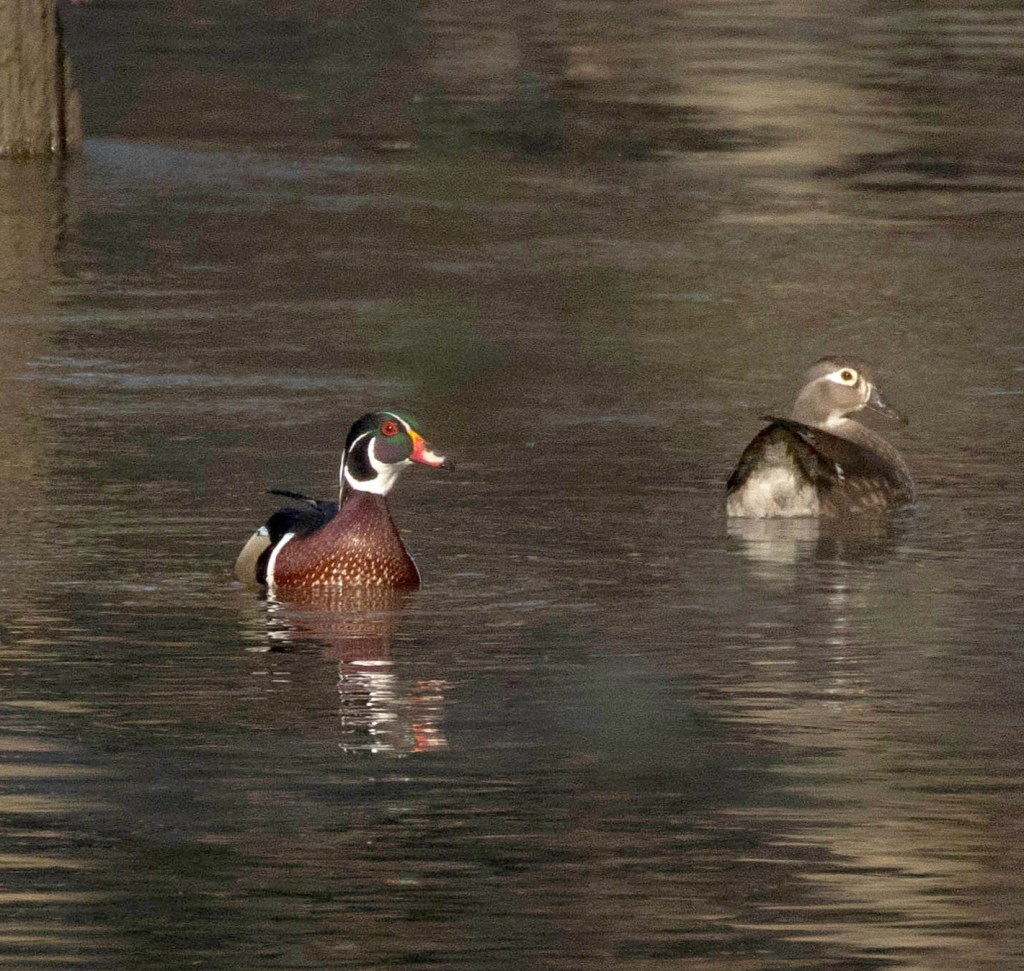
Photo by Margaret Weber The number of species seen in a month jumps dramatically in April and peaks in May, as more Summer residents return and the species that breed north of here and winter to the south pass through.
The combination of Summer residents and migrating species makes it possible to see as many as 90 different species in the park in May, an exciting month for bird watching.
Among the many species that return every Spring and nest in Eliza Howell are the Rose-breasted Grosbeak,
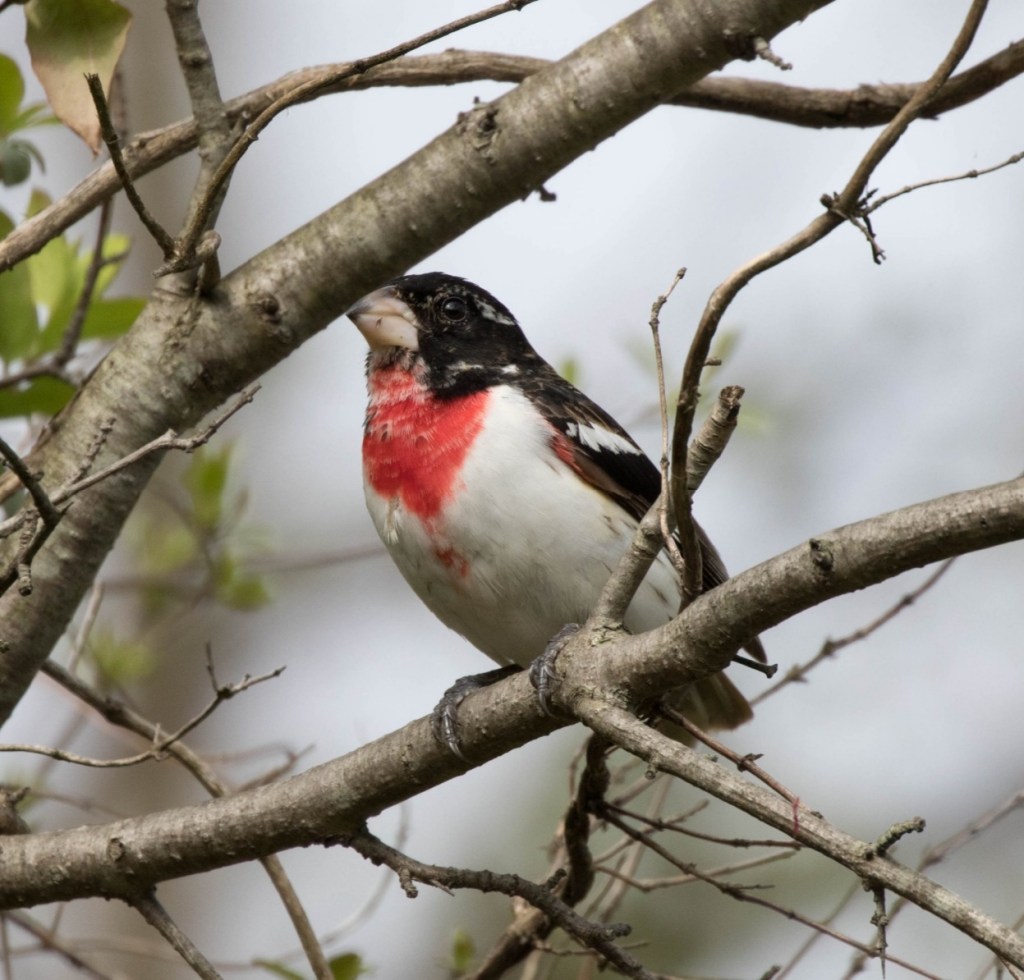
Photo by Margaret Weber the Barn Swallow,
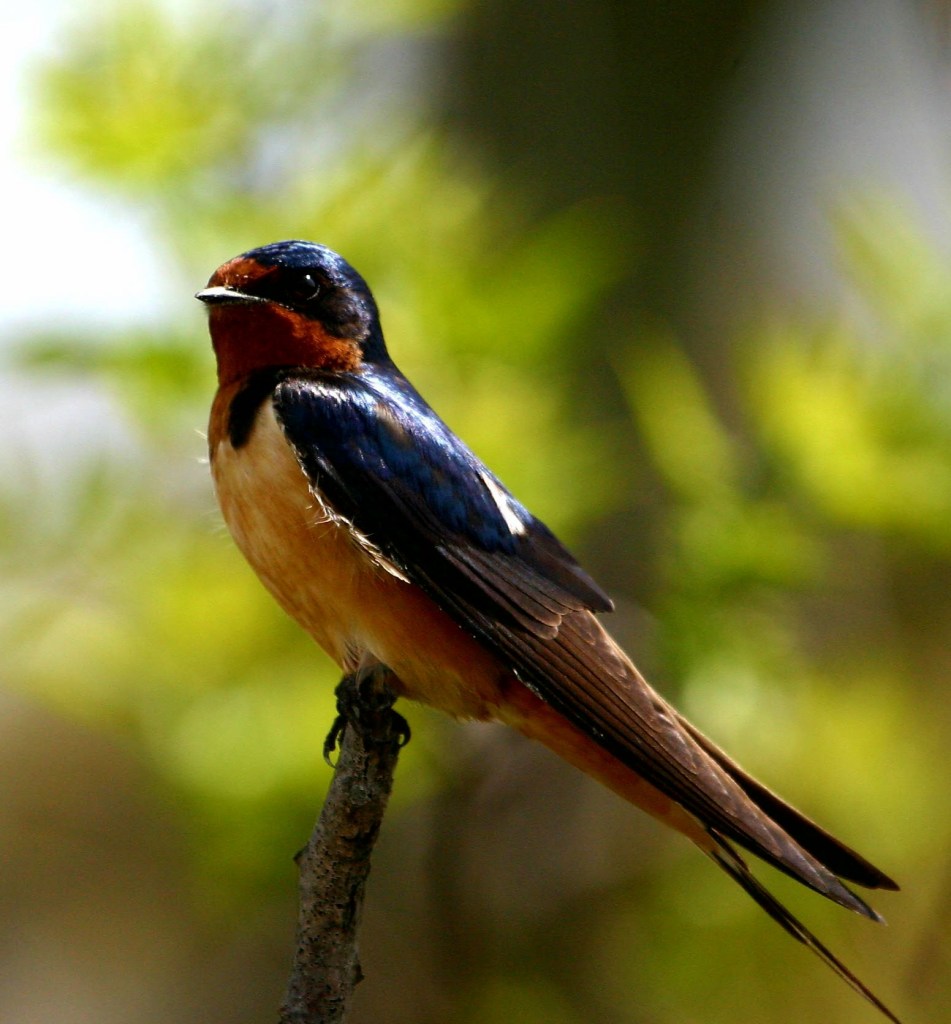
Photo by Margaret Weber the Great-crested Flycatcher,
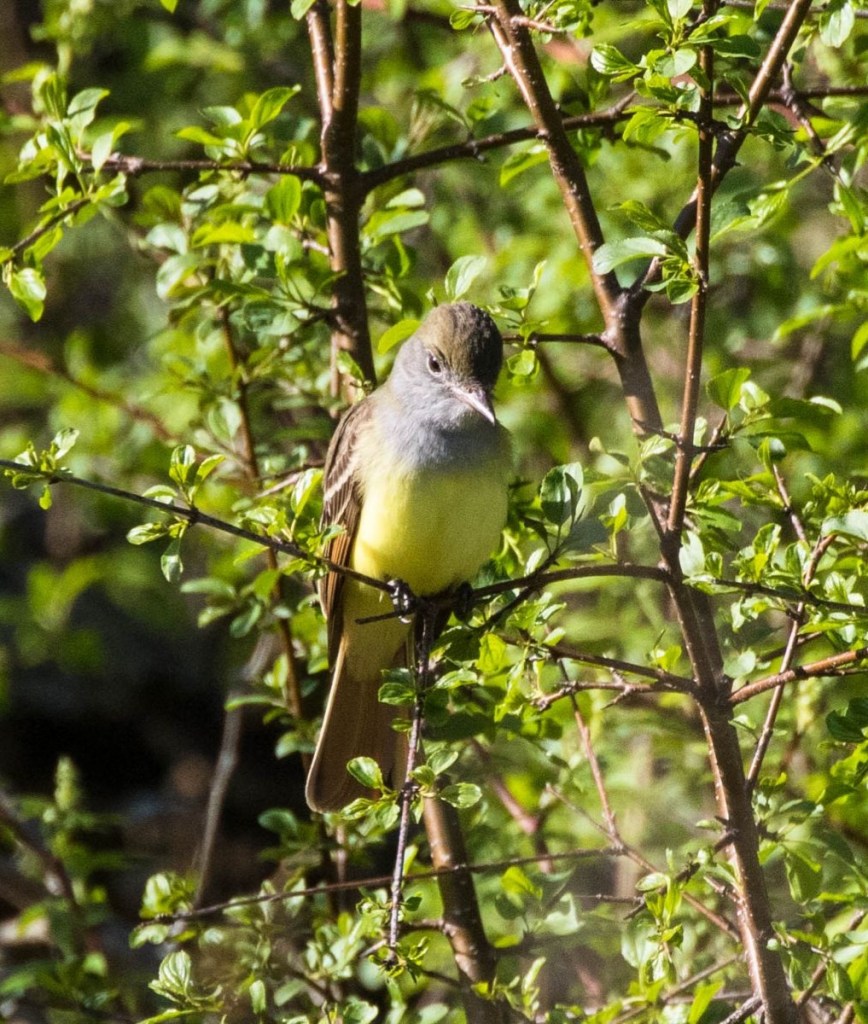
Phony Margaret Weber and the Baltimore Oriole.
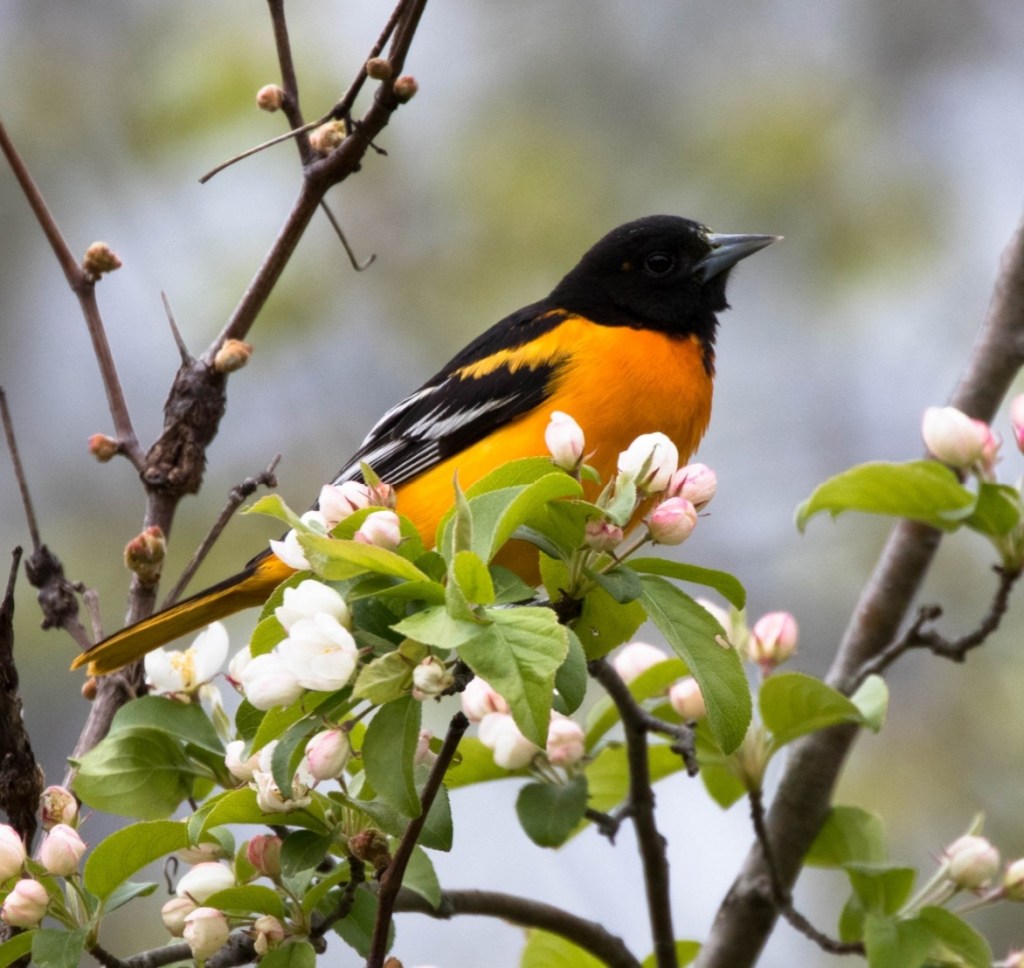
Photo by Margaret Weber The species migrating through are also numerous, but because they pause only briefly in the park, some of them may not be seen every year.
A significant percentage of the migrants each Spring and Fall are warblers (represented here by a Nashville Warbler) …
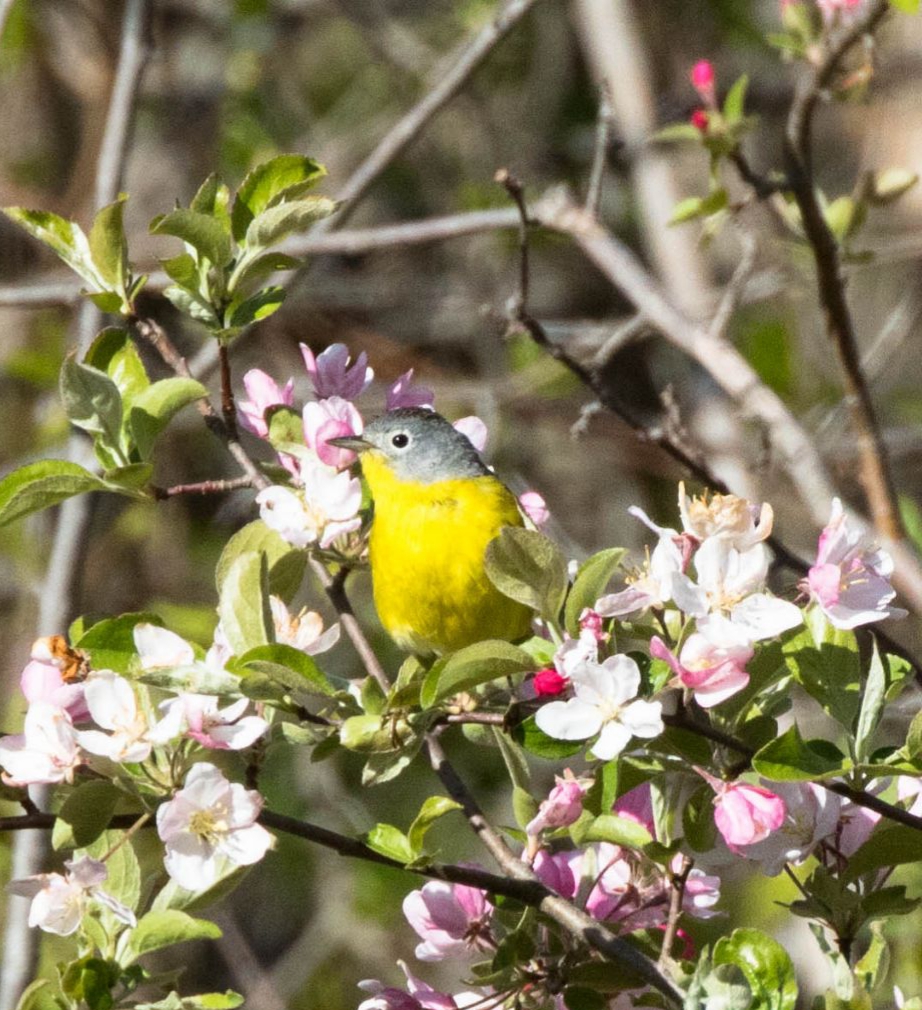
Photo by Margaret Weber … and sparrows (such as the White-throated Sparrow).
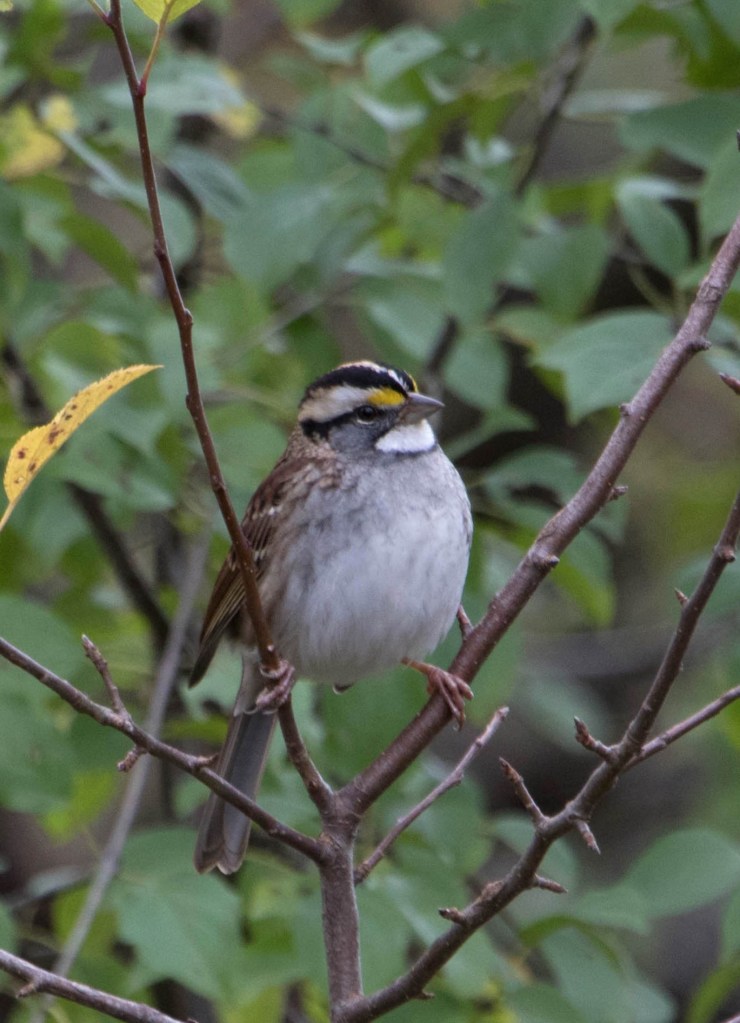
Photo by Margaret Weber The Scarlet Tanager is a Summer resident in this part of the country, but it does not breed in Eliza Howell, so my sightings of it are brief ones when it arrives back in Michigan on its way to its breeding location.
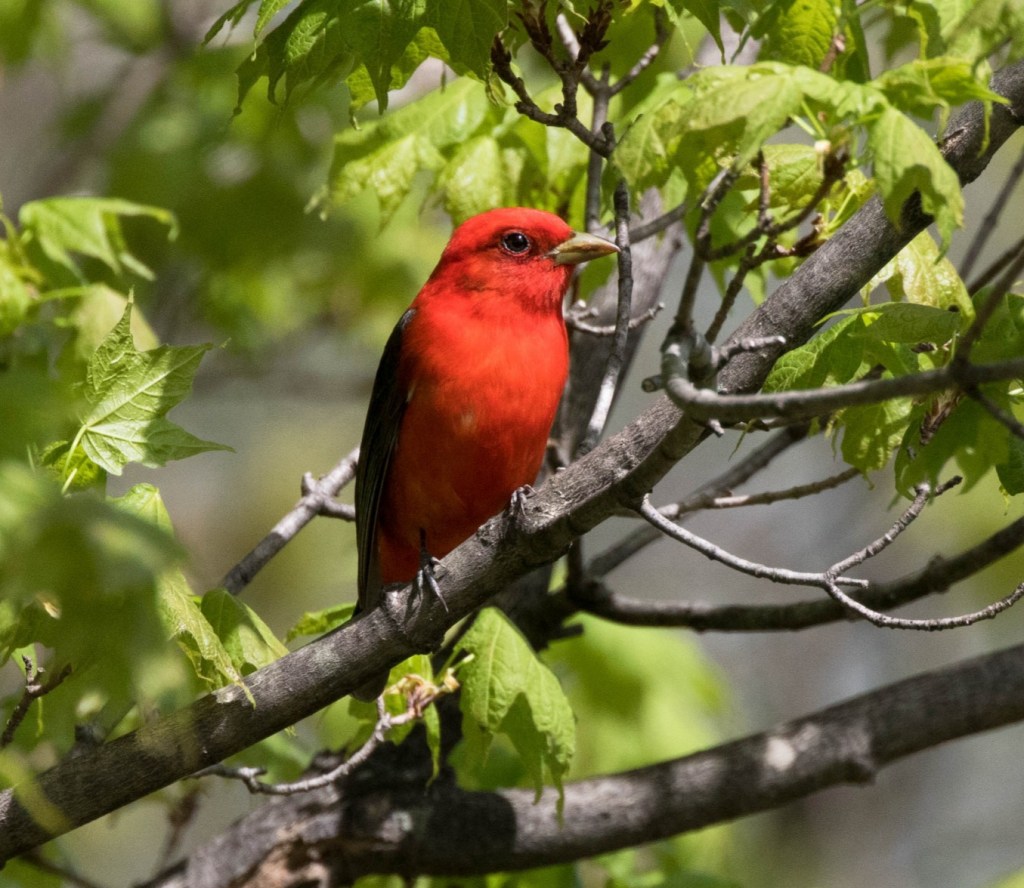
Photo by Margaret Weber The resident birds are engaged in raising their young in the Summer.
September and October are again migration months, as the birds head back south. Most years, the second highest monthly total of species, after May, is September.
One of my favorite late season migrants is the White-crowned Sparrow.
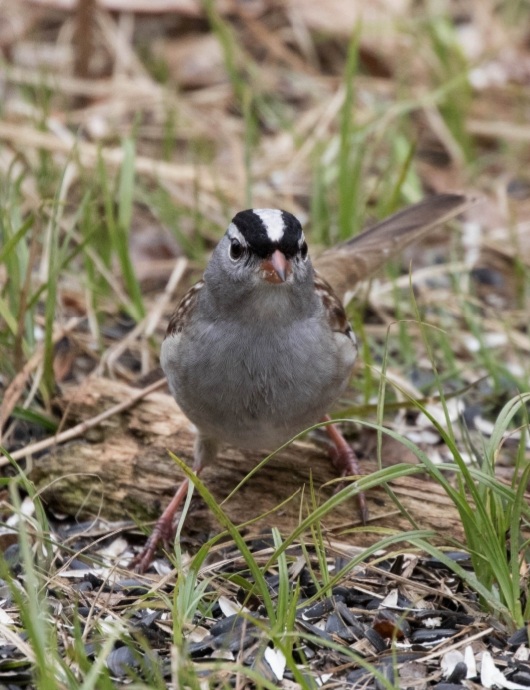
Photo by Margaret Weber As Fall transitions to Winter, I am frequently greeted by a loud Blue Jay upon my arrival at the park.
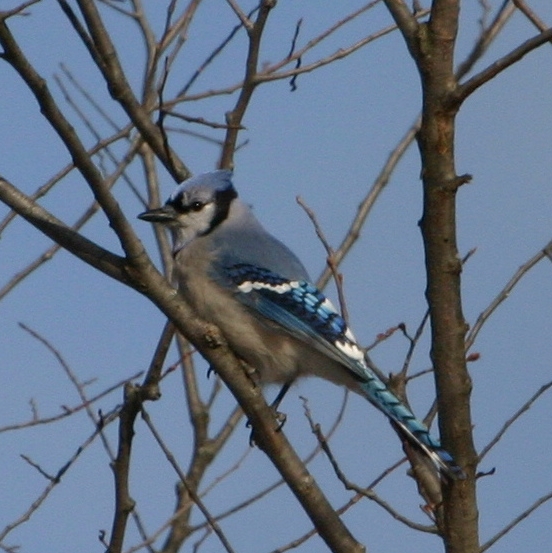
Photo by Margaret Weber Perhaps this very quick review of the Eliza Howell bird year provides some minimal sense of the park’s avian riches. It certainly puts me in the mood to get out frequently to see what this year brings!
-
Twelve Buds at Christmas: Trees in Pause Mode
Leonard Weber
December 20, 2022
During Christmas season walks in Eliza Howell Park, I often stop under leaf-bare deciduous trees and check the tips of branches. I am admiring the growth buds and appreciating the reassurance that the trees, though currently in pause, have a head start on Spring.
As with leaves and bark and fruit, buds vary with species. I recently collected photos of twelve varieties.

Red Maple 
Eastern Cottonwood 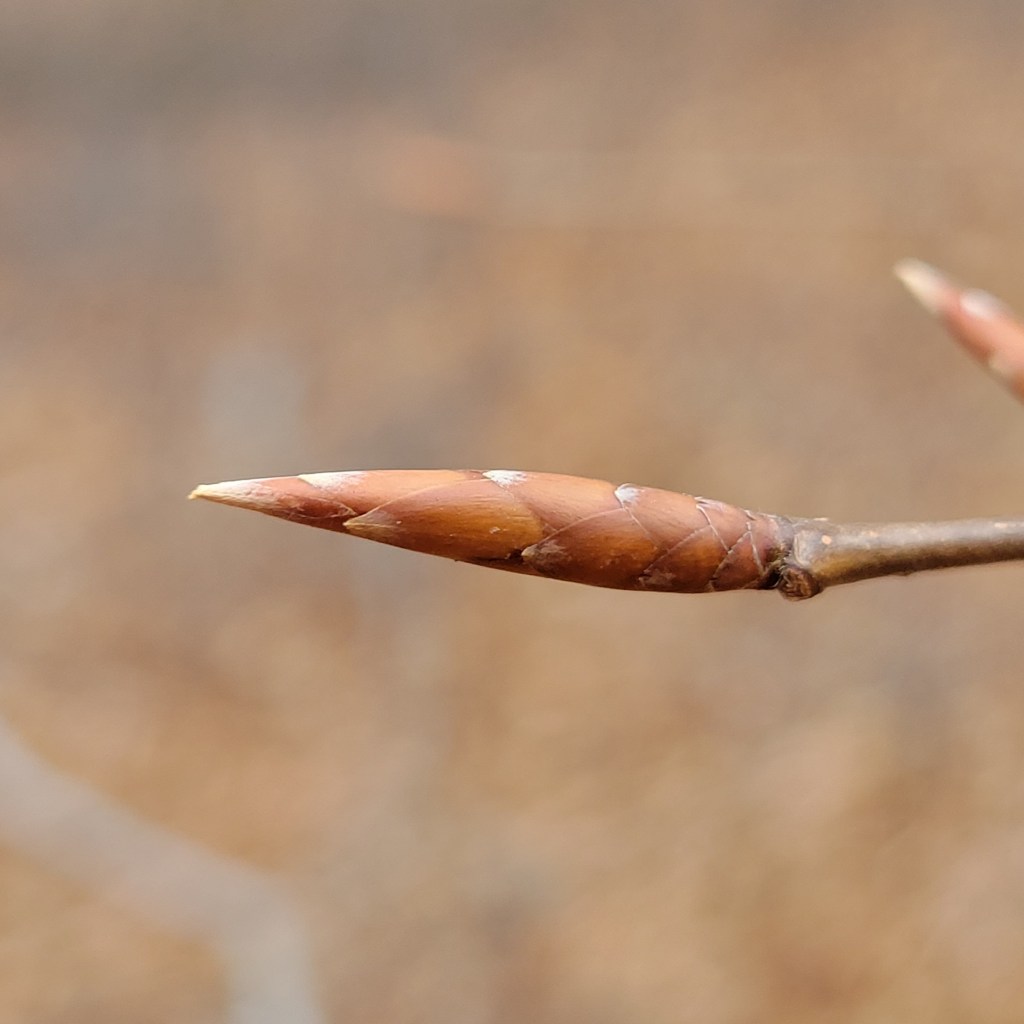
American Beech 
Basswood 
Norway Maple 
Aspen 
Yellow-bud Hickory 
Shagbark Hickory 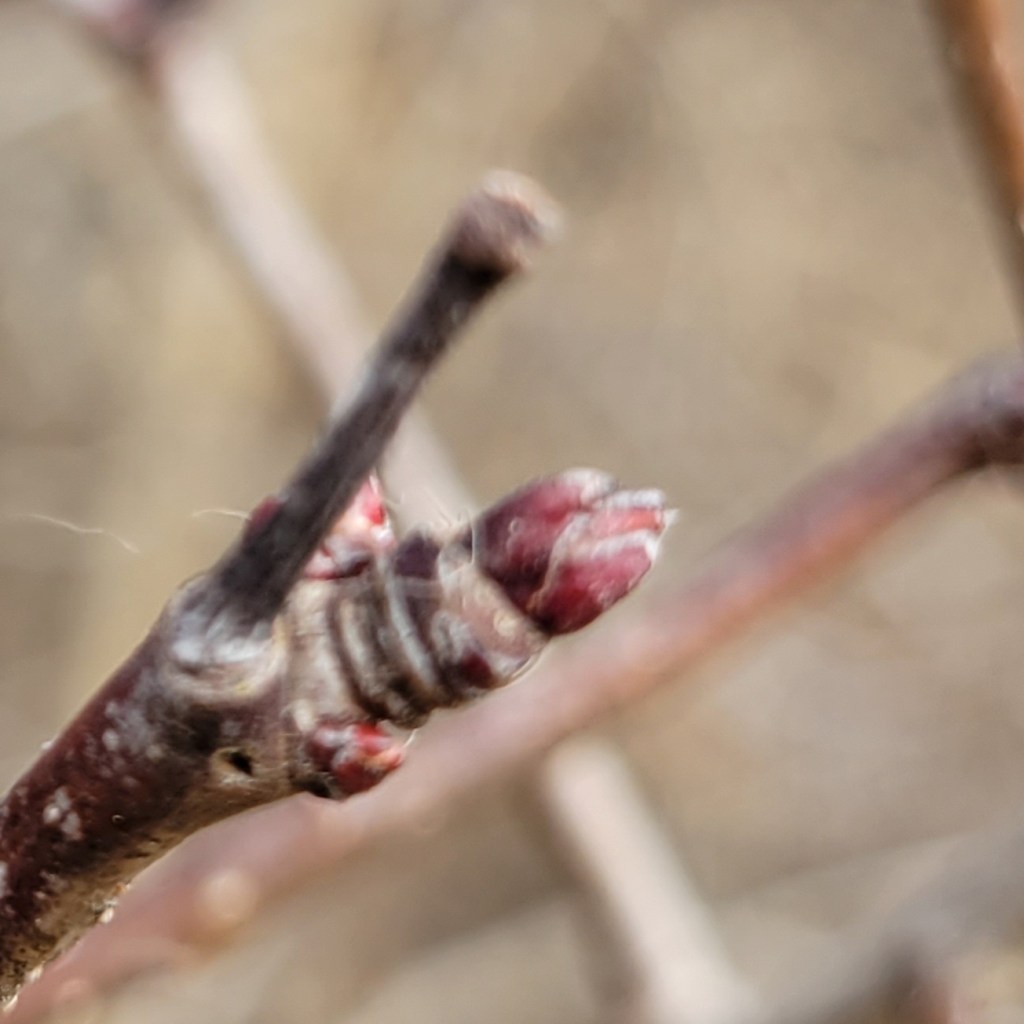
Hawthorn 
Red Oak 
Sycamore 
Sugar Maple The buds have grown this much before going dormant. Now they are waiting for the temperature and the sap to rise.
When observing tree buds in Winter, I am reminded that it is natural in this climate to be less active in winter. But… If I pause too much, I fear I will miss out on some of nature’s wonders, which continue throughout the Winter.
-
Marvelous Moss: On Logs in the Vernal Pool
Leonard Weber
December 15, 2022
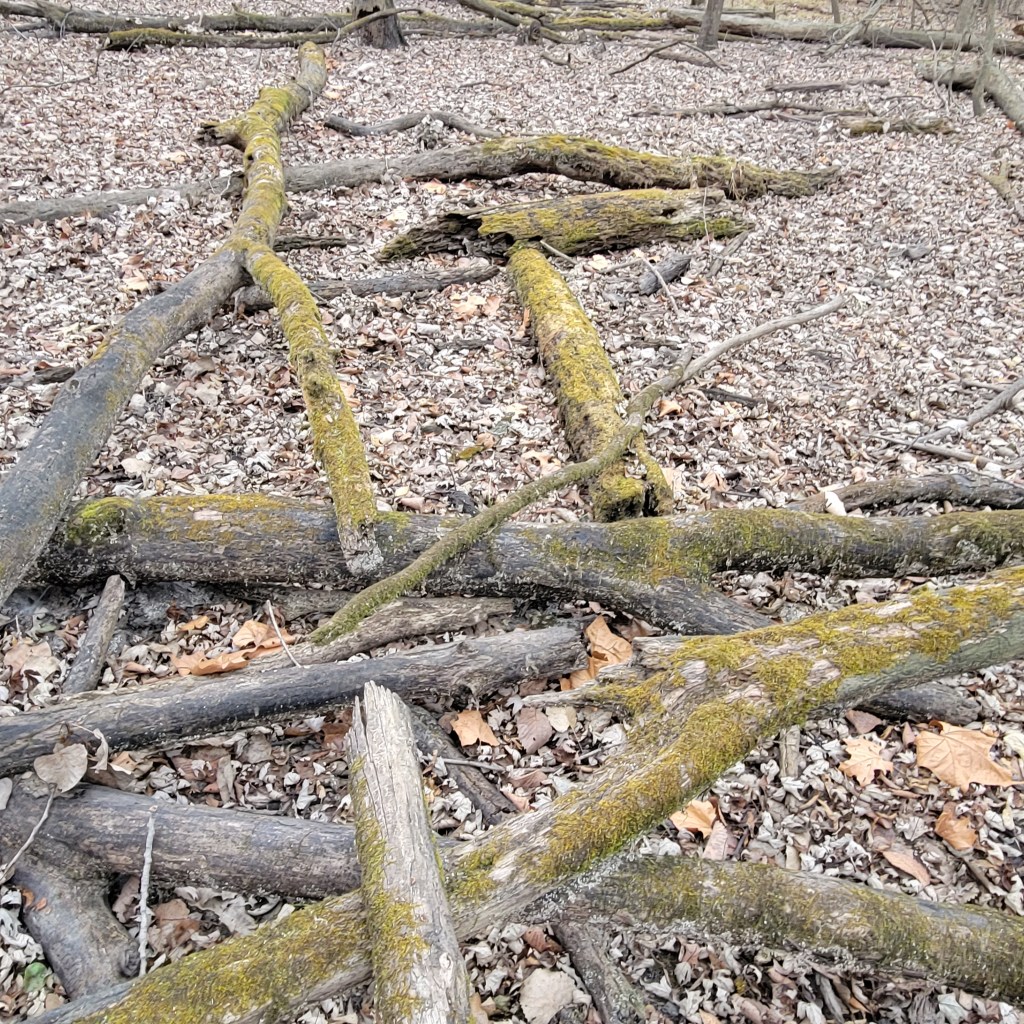
There is something about moss-covered logs that I find very attractive. Late Fall, before snow covers the ground (and the logs) in Eliza Howell Park, is the time I often go looking for them.
What I find especially fascinating is the contrast between the way the moss appears when I look down at the log from standing height…
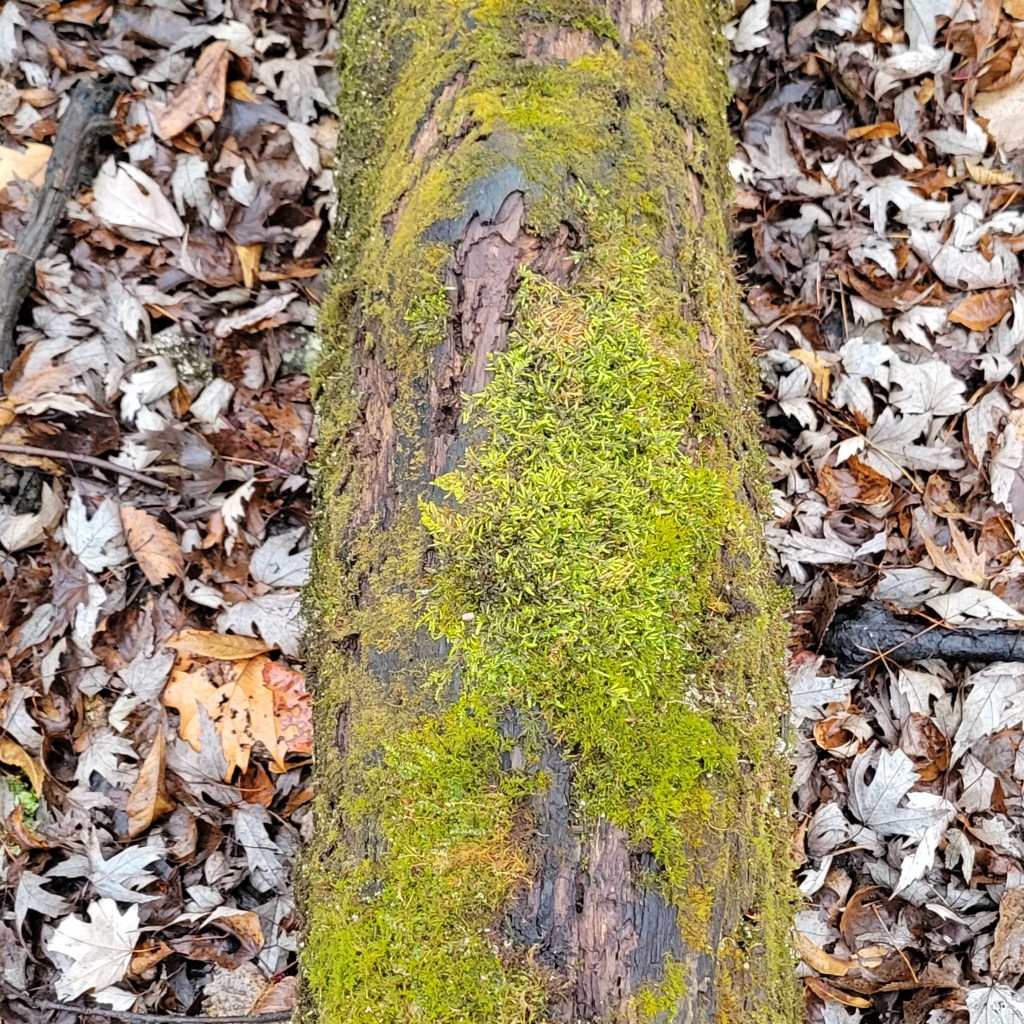
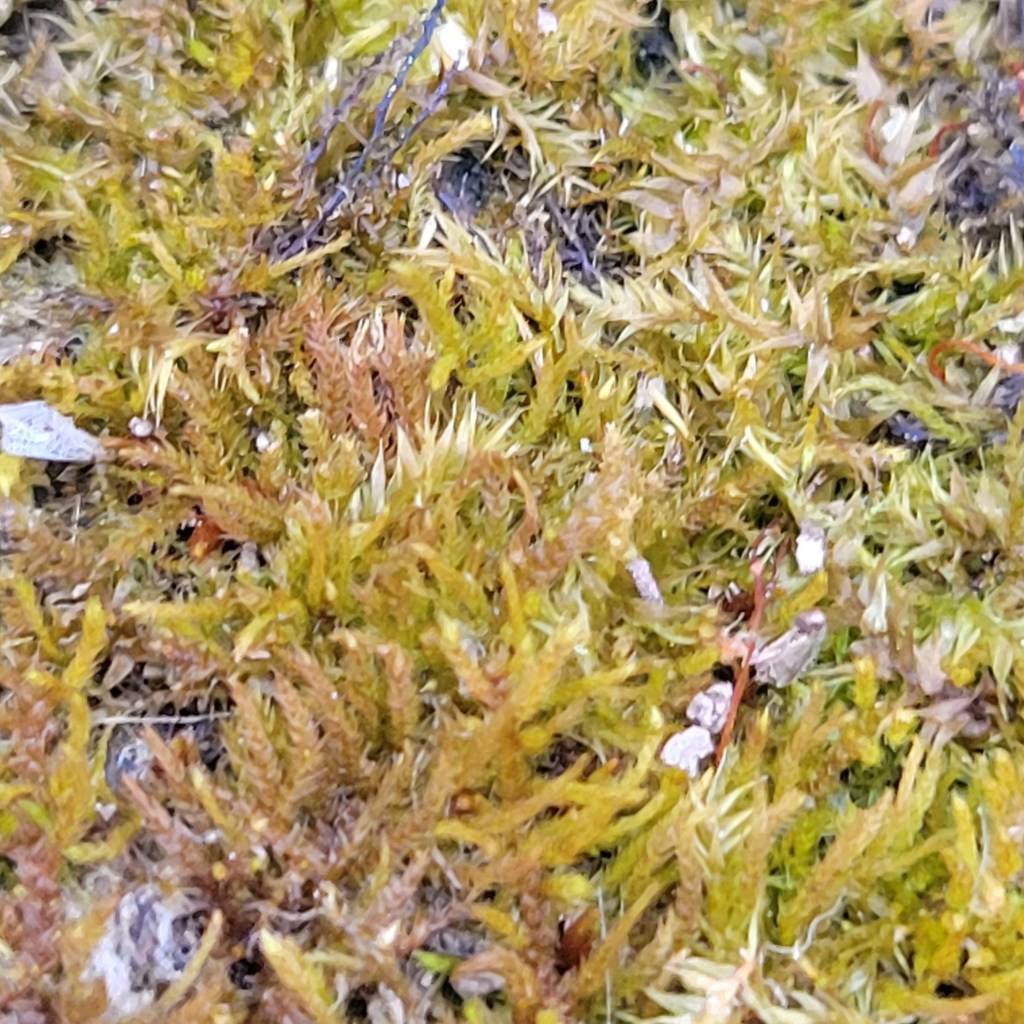
… and the way it looks close-up and somewhat magnified.
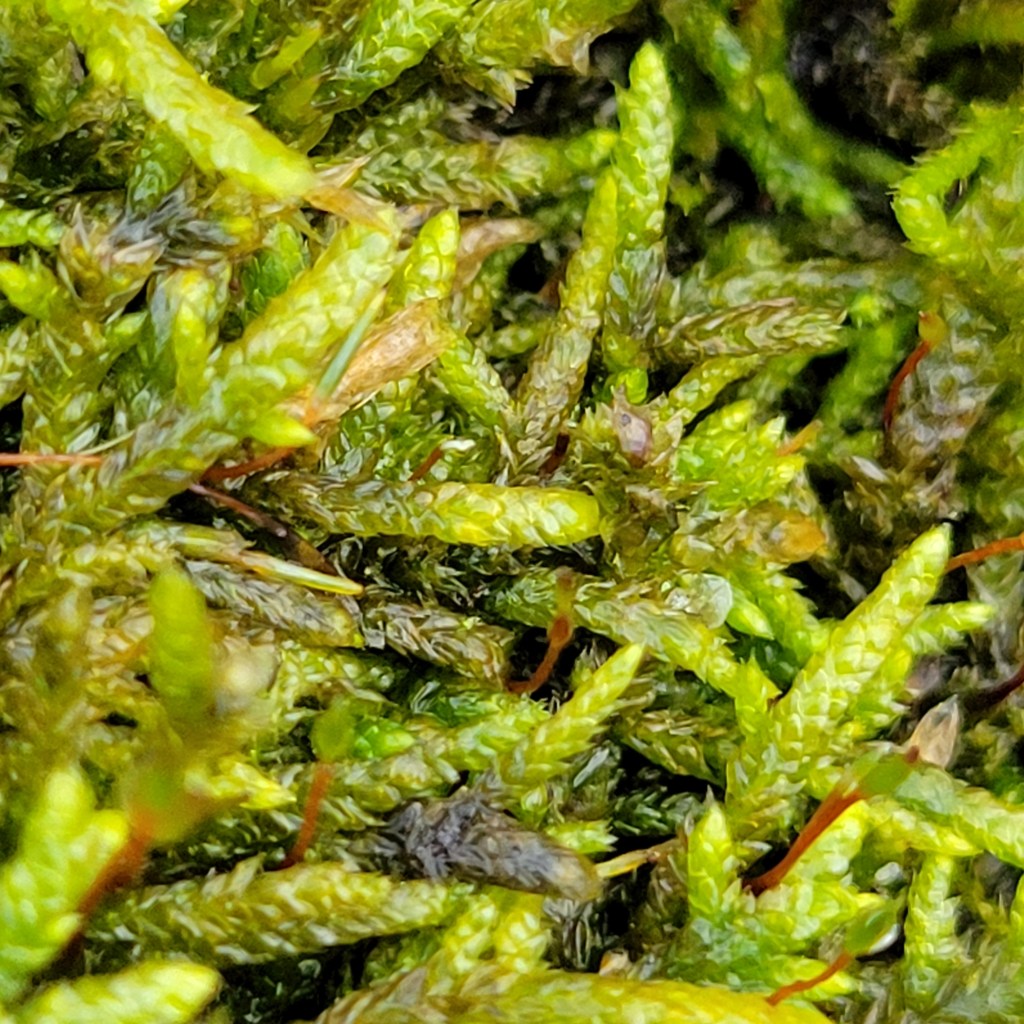
There are thousands of different species of moss and I go from log to log to sample the differences.
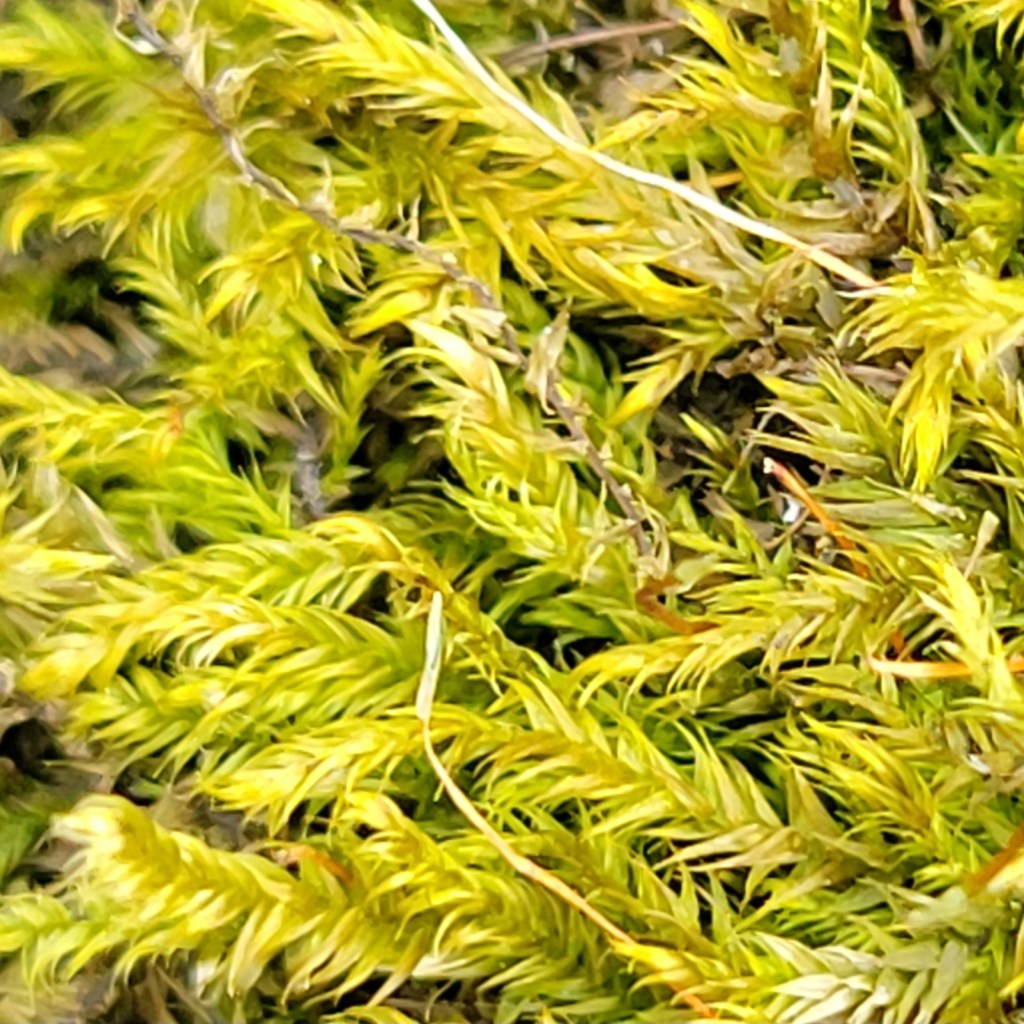
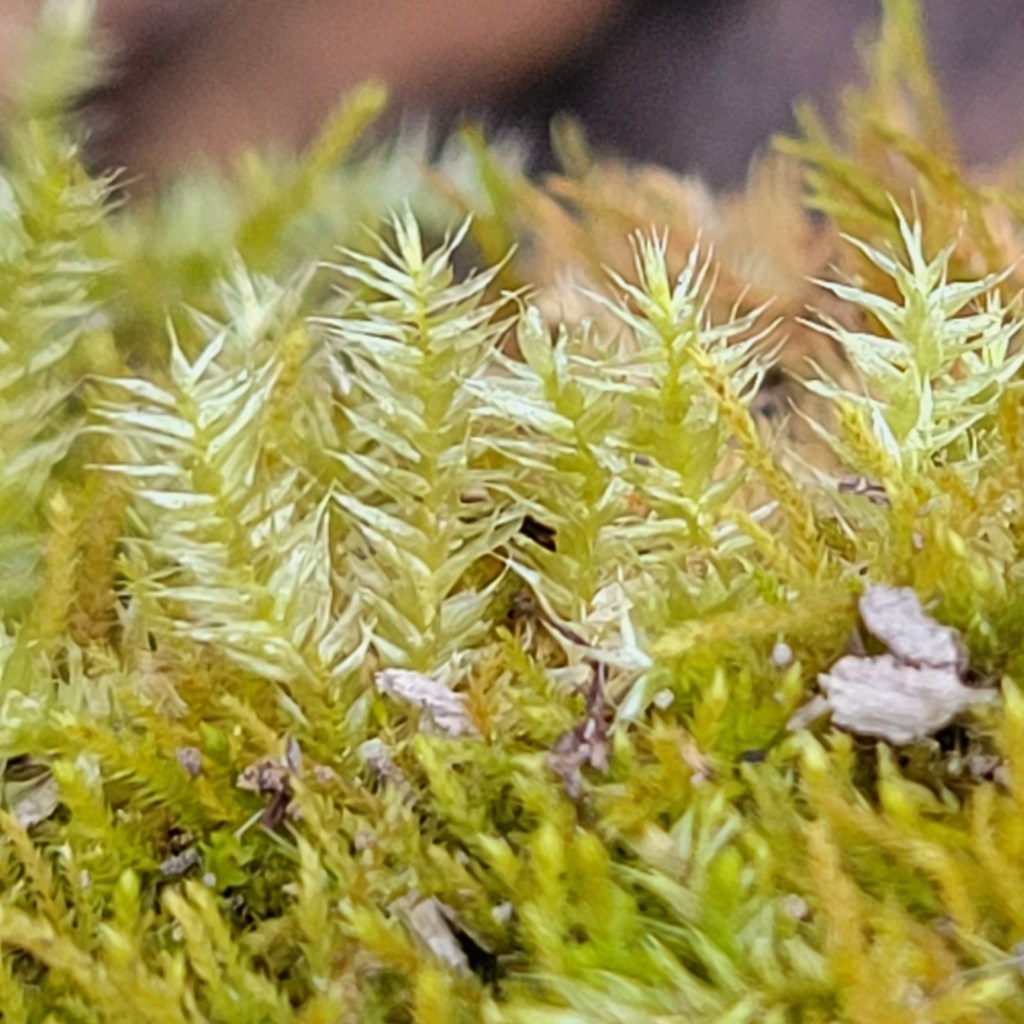
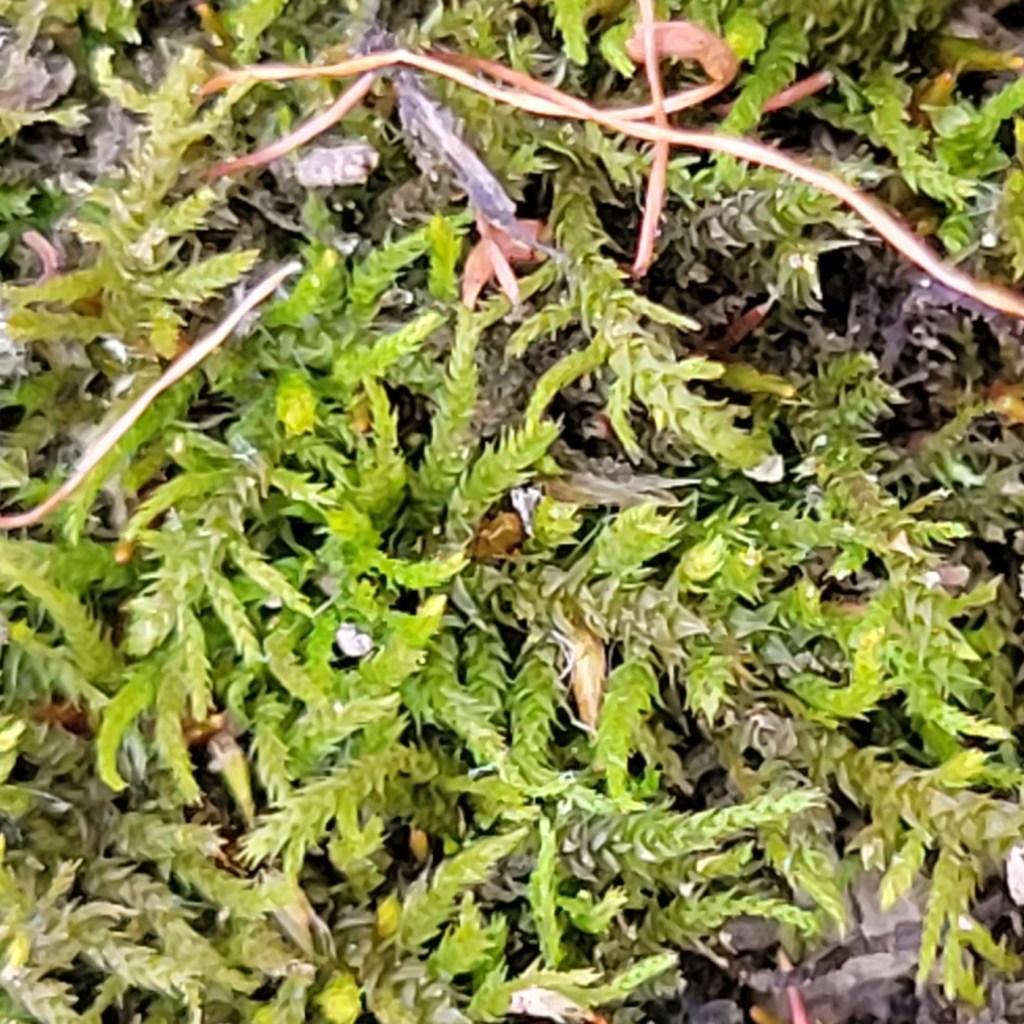
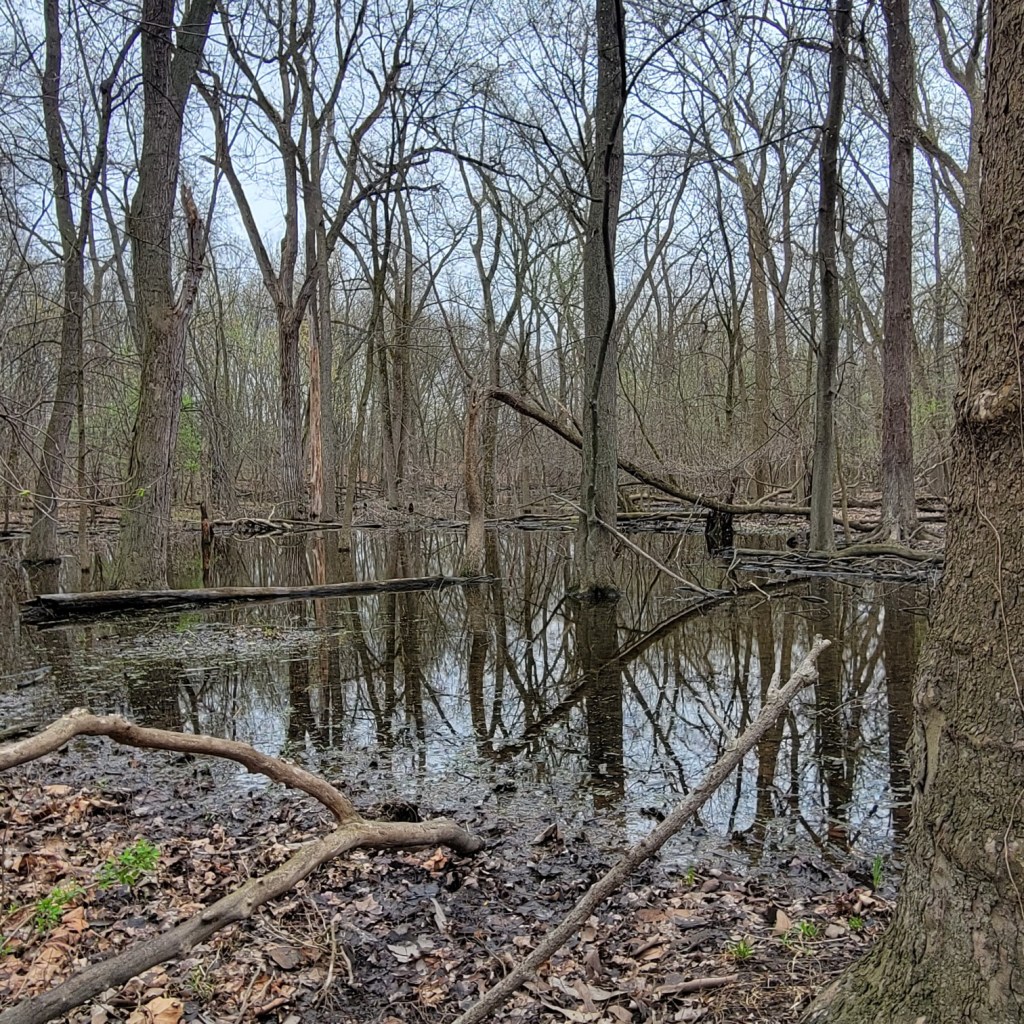
In the major wooded area of Eliza Howell Park, there is a sizable vernal pool, not visible from the path. It typically dries up in late Summer and begins to refill with Winter precipitation. This wet and shady environment, with many fallen trees and tree limbs, is a great place for moss to flourish. It is now accessible.
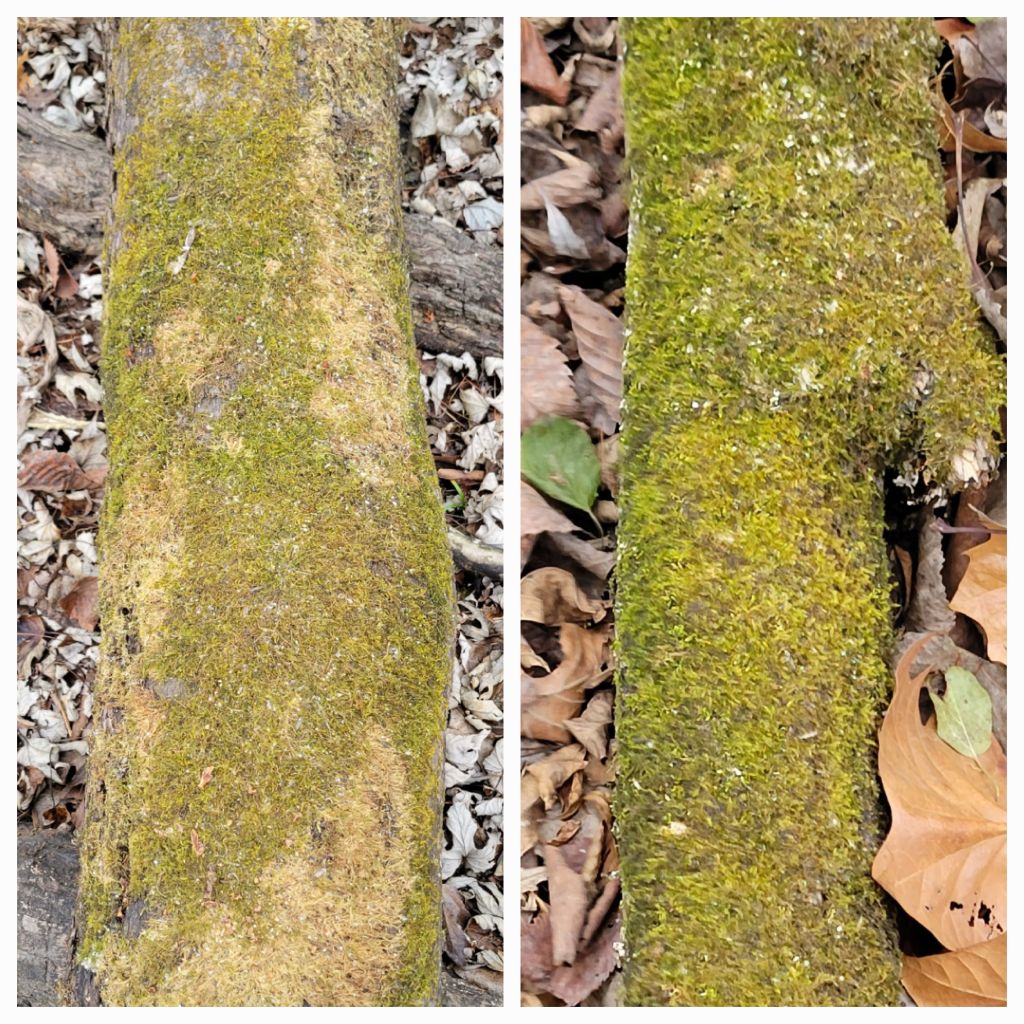
Mosses are plants, seedless spore-bearing plants that have stems and leaves but no true roots. They help to decompose the logs and recycle the nutrients.
The pool is replenished by the Winter snows and Spring rains and has surface water for perhaps 8 months, providing a home and breeding area for a variety of animals, especially invertebrates. (The next photo is from April, as the leaves were just starting to grow on the trees in the background.)
As I walk the park on these gray days of December, I feequently take a detour to the vernal pool and take advantage of this opportunity to get close to the fascinating mosses.
-
Subscribe
Subscribed
Have a WordPress.com account? Log in now.

